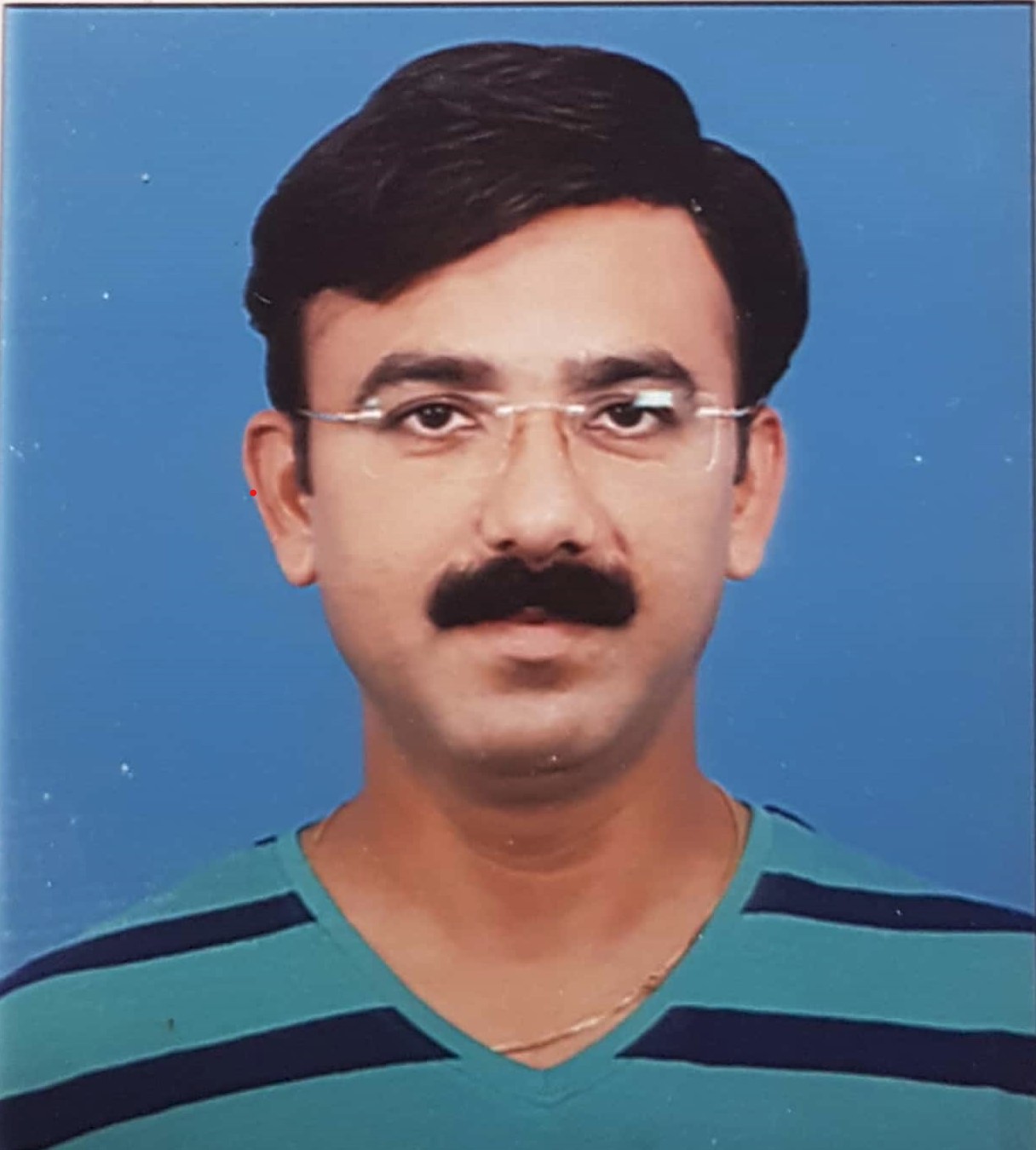
DOB 7-2-1975
Professor in community medicine department
Uttar Pradesh university of medical sciences, Saifai Etawah Uttarpradesh
EDUCATION
MBBS
MD Community Medicine
RESEARCH INTERESTS
Maternal and child health
Health system research
Non-communicable diseases
21
Scopus Publications
Scopus Publications
Impact Assessment of Iron and Folic Acid Supplementation with and Without Intensive Health Education in Pregnant Women of Rural Area of District Etawah: An Interventional Study Gaurav Kumar, Vidya Rani, Naresh Pal Singh, Sushil Kumar Shukla, Ajai Kumar, Dolly Goswami Indian Journal of Community Health, 2024 Background: Low birth weight , post-partum haemorrhage still births and maternal deaths are associated with anaemia in pregnancy. If prevalence of anemia will be reduced then there will be improvement in maternal and child health and its outcome. Aim & Objectives: To evaluate the changes in the hematological profile of the study subjects and to determine the impact of intensive health education intervention on anemia status of pregnant women. Methodology: A Community based interventional study was conducted among 200 Pregnant women of selected villages in rural area of Etawah district (100 women in each interventional and non-interventional group) using a self-developed, pre designed, pretested, structured and validated questionnaire. statistical package for social sciences (SPSS) software was used to analyse the data. Result: After health education intervention there is significant increase in the haematological profile of study participants of interventional group (p<0.05) as before intervention values of mean Hb was 10.58±1.79 gm/dl which became 11.72±1.48 gm/dl There were 34 (73.9%) participants in the interventional group that were originally anaemic before the study, but after the intervention, they became non-anaemic. Conclusion: Health education sessions helped the pregnant women to improve their knowledge regarding anemia in pregnancy, as well as improve their ability to select iron rich foods, increase compliance with iron supplementation, and raise their haemoglobin levels.
Study the association between spirometry based functional grading and six minute walk distance in chronic respiratory disease patients at a rural tertiary care centre of India Prashant Yadav, Ajay Kumar Mishra, Adesh Kumar, Ashish Kumar Gupta, Aditya Kumar Gautam, Naresh Pal Singh Annals of African Medicine, 2023 Introduction: Six-min walk test (6MWT) is easy to use, the least expensive, and a quick measure of physical function and it reflects the capacity to perform our day-to-day activities hence quality of life can be assessed with 6MWT. This study was planned to assess the role of 6MWT in chronic respiratory disease patients and its association with spirometry-based functional grading at a rural tertiary care center of northern India. Materials and Methods: This was a hospital-based cross-sectional study done between December 2019 and July 2021. In this study, 110 patients were included as per inclusion and exclusion criteria. 6MWT and spirometry were conducted as per the American Thoracic Society/European Research Society recommendation using Spiropalm 6MWT and the association between 6MWT and spirometry was assessed. Results: A total of 110 chronic respiratory disease patients were included in the study. There were 69 (63%) males while 41 (37%) were females. Among study participants, chronic obstructive pulmonary disease patients were the most common 48 (43.6%) patients, followed by asthma 28 (25.5%), posttuberculosis sequelae patients 22 (20%), interstitial lung disease 9 (8.2%), and bronchiectasis 3 (2.7%) patients were found. There was a significant positive correlation of 6-min walk distance (6MWD) and % predicted 6MWD with spirometric parameters, forced expiratory volume in 1 s (FEV1), forced vital capacity (FVC) and there was a significant positive correlation of 6MWD with FEV1% (predicted) also. 6MWD and % predicted 6MWD negatively correlated with FEV1/FVC and association between 6MWD and FEV1/FVC was not statistically significant and between % predicted 6MWD and FEV1/FVC, it was found statistically significant. Conclusion: The 6MWD traveled by chronic respiratory disease patients was significantly lower than the predicted 6MWD and 6MWD correlated with spirometric variables well. Therefore, it can conclude that 6MWT is a useful alternative of spirometry in the management of chronic respiratory disease patients in resource-limited settings.
Incidence and Determinants of Low birth weight babies at rural tertiary care hospital in central Uttar Pradesh Kripashankar Nayak, Jyoti Mehra, Naresh Pal Singh, Ankita Sharma, Pankaj Kumar Jain, Kiran Krishnappa Indian Journal of Community Health, 2023 Background: An infant’s birth weight is a reliable index of intrauterine growth and a sensitive predictor of newborn chances of survival, growth and long-term physical and psychosocial development. Low birth weight has been defined as birth weight <2.5 kg regardless of gestational age. The incidence of low birth weight (LBW) in India varies between 25–30% and of which 60–65% are because of intrauterine growth retardation. Aim & Objective: To determine the incidence and various determinants of low birth weight among babies delivered at rural tertiary care hospitals in central Uttar Pradesh. Methods and Material: The study was conducted at UPUMS, Saifai, Etawah, among pregnant women who delivered babies from 1st January 2018 to 31st December 2018. Details regarding age of the mother, gravida, parity, gestation period, presence of complications, the procedure for delivery and birth weight of the newborn were recorded and analyzed using SPSS software (version 23) Results: A total of 7615 deliveries were conducted (53.2% were males, 46.8% were females). The mean birth weight of babies was 2.65 Kg with S.D ± 0.52. Preterm babies were 32% while 67% were term babies and 23% of babies were low birth weight. There was a statistically significant association between birth weight of babies and factors like age of mother, parity of mother, gestation period, and presence of complications during the antenatal period. Conclusions: Prompt identification of high-risk factors, prevention of premature delivery, increasing the use of health services during pregnancy and management of the risk factors would reduce the incidence of low birth weight.
Prevalence of needle stick injuries, its associated factors and awareness among nursing staff at tertiary care hospital of North India Prem Prakash Bharti, Naresh Pal Singh, Prashant Kumar Bajpai, Vidya Rani, Pankaj Kumar Jain, Ayub Khan Indian Journal of Community Health, 2022 Background: Needle Stick Injuries (NSIs) are defined as accidental skin penetrating injuries caused by needles. It is the single greatest occupational hazard to a medical personnel. In developing countries, needle stick injury is associated with the highest global prevalence of HIV, Hepatitis B, and Hepatitis C. Aim & Objectives: To estimate the prevalence of needle stick injuries, its associated risk factors and assess the awareness regarding needle stick injuries among nursing staff. Material & Methods: A cross-sectional study was conducted among nursing staff who were working at a tertiary care hospital in Northern India during June 2019 to November 2019. The study commenced after taking prior approval from institutional ethics committee. A census method was used to include the participants. Results: Around 66.7% of the nursing staff was exposed to NSIs during their working hours at the hospital. There was significant association of needle stick injuries with place of working and education of nursing staff in multivariate binary logistic regression. About 26% of the nurses were unaware that recapping should be done or not for used needle, and 35% of staff nurses recapped the needle after the use. Conclusion: Needle stick injuries can be prevented by continued education, effective training, providing better safety devices, a positive work environment.
Dengue in India: An Overview Ajay Kumar Prajapati, Naresh Pal Singh, Pankaj Kumar Jain, Dhiraj Kumar Srivastava, Ruchi Prajapati National Journal of Community Medicine, 2022 Background: Dengue fever has become a major public health concern in our country, causing significant morbidity and mortality. Because there is no definite drug or commercially available vaccine for dengue, prevention is the only option. As a result, early reporting of dengue cases is required in order to implement preventive measures before the disease spreads to epidemic proportions. Therefore, healthcare providers should notify every dengue incident to local authorities in the current format, including the District Health Officer or Chief Medical Officer of district concerned and the Municipal Health Officer of municipality concerned every week (daily during the transmission period).
Assessment of Memory among Traumatic Brain Injury Patients during Follow-Up at a Tertiary Health Care Facility in Rural Setting Anamika Singh, Raj Kumar, Ahmad Ansari, Naresh Pal Singh, Amit Kant Singh Indian Journal of Neurosurgery, 2021 Background Head injury is an important public health problem nowadays. Traumatic brain injury (TBI) results from external force that leads to damage to brain tissue. Main causes of TBI are motor vehicle collisions and fall from height. One of the primary symptoms after TBI is impaired word retrieval. Therefore, this study was undertaken to assess memory impairment in TBI patients following treatment to asses a residual memory status to declare them apt for official works if improved enough. Objectives The purpose of this study was to assess memory impairment in TBI patients to assess the residual memory status following treatment. Materials and Methods The study was conducted in Outpatient Department (OPD) of Neurosurgery, Uttar Pradesh University of Medical Sciences, Saifai, Etawah, Uttar Pradesh. The TBI patients were assessed by predesigned memory assessment questionnaire during their follow-up following discharge from hospital. Results A total of 65 patients with TBI were assessed, of which 21 (32.3%) cases had frontal lobe injuries with 9 of 21 having memory loss (42.9% cases). The temporoparietal lobe was affected in 10 (15.4%) cases out of which 5 developed memory loss, that is, 50% cases. The multiple lobes were involved in 24 (36.9%) cases, out of which memory impairment occurred in 9 cases, that is, 37.5%. Four of total five cases (80%) of diffuse axonal injury had memory loss. Further, 16.9% (n = 11) TBI patients were unable to perform digit span test (immediate memory test), 44.6% (n = 29) cases could not perform three-word recall at 5 minutes (short-term memory test), and 15.4% (n = 10) cases could not perform (long-term memory test). Conclusion The study showed that memory assessment is required in TBI patients for instituting proper rehabilitation measures and to allow them for sensitive memory-related work following discharge from hospital.
Factors Affecting the Academic Performance of Undergraduate Medical Students at a Medical Institute of Northern India Vidya Rani, , Naresh Pal Singh, Prem Prakash Bharti, , and Journal of Medical Education Development, 2021 Results: A total of 149 students were interviewed. Analysis of average marks in all three professionals revealed that only 59 students (39.60 %) scored equal to or more than 60 %, whereas 90 students (60.40%) had marks below 60 %. In univariate binary logistic regression analysis factors such as gender, area of schooling up to class 12th, education and occupation of parents, history of alcohol consumption and adequate sleep were found to be significant predictors for students’ academic performance. In multivariate binary logistics regression analysis, only gender was the significant predictor.
Awareness and Myths Related to COVID-19 among Medical Students at a Tertiary Health Care Facility in Northern India. NILIMA Takhelchangbam, , Naresh Pal Singh, Anamika Singh, Deepanshi Saxena, Prashant Kumar Bajpai, Utkarsh Tripathi, Arushi Kumar, , , , , , and Journal of Medical Education Development, 2021 Background: Assessing the undergraduate medical students’ knowledge regarding COVID-19 to determine any gaps in their learning and any misinformation is essential. This study aimed to access the awareness regarding COVID-19 and related myths among undergraduate medical students. Methodology: A cross-sectional survey was conducted on undergraduate medical students in a tertiary healthcare teaching institute in a district of central Uttar Pradesh. Unpaired t-test and one-way ANOVA were applied to determine any differences among the mean scores of awareness and myths among gender and batch years. We used boxplots to represent the overall and section-wise correct percentages. Results: Out of the total 800 students, 494 (61.7%) participated in the study. Most of the participants were first-year MBBS students, 158 (32.0%), and were males (280, 56.7%). The average performance regarding the awareness and myth related to COVID-19 was satisfactory, with a 72.5% overall correct mean score. According to modified Bloom’s cut-off, 406 (82.2%) students performed moderately, followed by 81 (16.4%) students who performed good, and seven (1.4%) performed poorly. Although the majority 489 (99.0%) knew the correct taxonomy of the virus causing COVID-19, 60.0% and 43.0% had difficulty defining the SARS-CoV-2 virus and close contacts, respectively. There was a drastic variation in response to the physical distancing criteria, with only 71 (14.4 %) answered correctly. Conclusions: As the guidelines regarding COVID-19 are dynamic, there is a need for regular training of undergraduate medical students, focusing on infection control and prevention to keep them updated with the latest and upcoming guidelines.
Therapeutic Response of Ayurvedic Preparation Raj Nirwan Bati on Severe COVID-19 Patients: A Double-Blind Randomized Placebo Controlled Clinical Trial Dr Kumar, Dr Yadav, Dr Shukla, Dr Singh, Dr Yadav, Dr Shukla, Dr Kumar, Dr Singh Annals of Ayurvedic Medicine, 2021 Background: The burden of present pandemic of COVID-19 is increasing exponentially day by day. There is a felt need for research on various treatment options available in the indigenous system of medicine. Ayurvedic (Indian system of medicine) preparations have been proven previously to be effective in many viral illnesses and play an important role in boosting the immunity of the human body. Aim and Objectives: To evaluate the therapeutic response of ayurvedic preparation RNB on severe COVID-19 patients. Methodology: A double-blind randomized placebo controlled clinical trial was conducted on 49 severely ill patients of COVID- 19 with one arm receiving RNB and the other placebo. Patients were evaluated on day-to-day basis and clinical improvement was assessed by a two-point reduction in patients admission status on a six-point ordinal scale. Results: Statistically significant (p=0.003) difference in proportion of conversion of Real Time Polymerase Chain Reaction (RT-PCR) result after six days of intervention was observed in both groups. The mean ± SD days required for the patients to become negative by RT-PCR test was shorter in RNB compared (10.1 ± 4.1 days) versus 14.4 ± 5.9 days in control group of patients and was found to be statistically significant (p=0.012). Average days to achieve two-point improvement on sixpoint clinical improvement ordinal scale was shorter in RNB group in comparison to placebo control group (7.9 ± 4.1 days versus 11.7 ± 4.7, p=0.009). The duration of hospital-stay and oxygen therapy required for management of COVID-19 cases was shorter in RNB intervention patients than in control group. Conclusion: Immunomodulatory, anti-inflammatory, anti-viral and broncho-dilatory properties in ayurvedic formulation makes RNB an ideal drug to act as an adjuvant to standard allopathic treatment against COVID-19 illness even in severely and critically ill patients in the present scenario.
A deep learning-based COVID-19 automatic diagnostic framework using chest X-ray images Rakesh Chandra Joshi, Saumya Yadav, Vinay Kumar Pathak, Hardeep Singh Malhotra, Harsh Vardhan Singh Khokhar, Anit Parihar, Neera Kohli, D. Himanshu, Ravindra K. Garg, Madan Lal Brahma Bhatt, Raj Kumar, Naresh Pal Singh, Vijay Sardana, Radim Burget, Cesare Alippi, Carlos M. Travieso-Gonzalez, Malay Kishore Dutta Biocybernetics and Biomedical Engineering, 2021
Clinico-epidemiological profile of trauma victims in a tertiary care hospital in rural setting of central Uttar Pradesh Indian Journal of Community Health, 2017
KAP study on reproductive tract infections (RTIs) among married women (15-44 years) in rural area of Etawah, Uttar Pradesh Indian Journal of Community Health, 2016
Assessment of Knowledge regarding family planning methods and intended family size among men of urban slum Indian Journal of Community Health, 2013
The problems of fall, risk factors and their management among geriatric population in India Indian Journal of Community Health, 2013
Immunization coverage in Etawah: A border District of Uttar Pradesh Indian Journal of Community Health, 2012