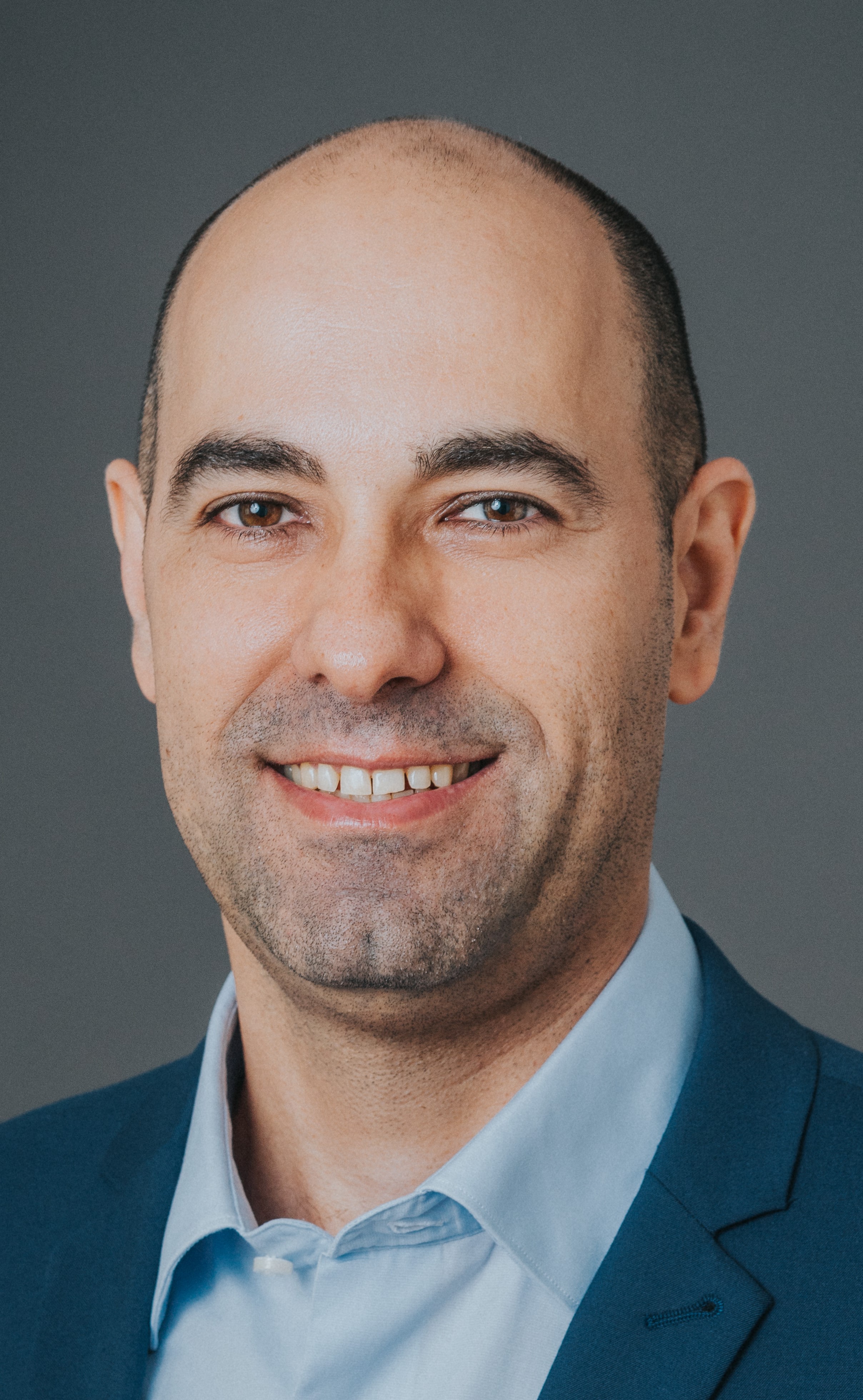
João Miguel Caldeira Heitor

@isg.pt

Coordenador Científico Licenciatura em Gestão do Turismo
Instituto Superior de Gestão

Ao longo da sua vida profissional lecionou em diversas escolas do Ministério da Educação, no Instituto Superior de Ciências da Administração e na Universidade Lusófona.

Profissionalmente integrou a Direção do Instituto Superior de Ciências da Administração, foi Administrador Executivo da VerOurém EEM, Chefe do Gabinete da Câmara Municipal de Ourém e Assessor Parlamentar na Assembleia da República.

É Investigador Integrado no Centro de Investigação, Desenvolvimento e Inovação em Turismo - CiTUR Leiria.

Desempenhou funções como Secretário-Geral do Instituto Superior de Gestão entre setembro de 2019 e março de 2024.

É Professor, Coordenador Cientifico da Licenciatura em Gestão do Turismo e Coordenador do Gabinete da Qualidade no Instituto Superior de Gestão.

EDUCATION

Doutoramento
2019 – Doutorado em Turismo - Universidade de Lisboa
Tema: “A imagem peregrina de Nossa Senhora de Fátima: uma marca na promoção do turismo religioso de Fátima?”

Mestrado
2009 – Mestre em Educação – Variante Administração Escolar - Universidade de Évora
Tema: A função das Delegações Escolares no contexto da Administração/Gestão Escolar

Pós-Graduação
2013 – Pós-graduado em Gestão de Bibliotecas Escolares - Instituto Superior de Línguas e Administração de Leiria.

Licenciatura
2003 – Licenciado em Professores do Ensino Básico - 2º Ciclo - Variante Português/Inglês - Escola Superior de Educação Jean Piaget Almada

RESEARCH, TEACHING, or OTHER INTERESTS

Tourism, Leisure and Hospitality Management, Marketing, Education
8

Scopus Publications

24

Scholar Citations

3

Scholar h-index

Scopus Publications

  • Tourism Resilience and Value Capture in Mauritius: Evidence from Tourist Arrivals and Gross Tourism Earnings, 2010–2025
    Mariana Inácio Marques, João Caldeira Heitor, Alexandra O’Neill
    Tourism and Hospitality, 2026
    Mauritius, as a Small Island Developing State (SIDS), depends heavily on tourism and is therefore exposed to external shocks; this study examines how the sector’s performance and value capture evolved from 2010 to 2025, with particular attention to the COVID-19 disruption and subsequent recovery. The analysis uses only secondary data, combining arrivals and source-market breakdowns published by the Ministry of Tourism with the monthly series of gross tourism earnings released by the Bank of Mauritius. Trends and seasonality are described for both arrivals and earnings, and three indicators are derived to support interpretation: revenue per arrival (as a proxy for value capture), the intensity of seasonality, and the concentration of source markets. The results document the magnitude of the pandemic-related break, trace the timing of the rebound, and show how value capture and market concentration shifted between the pre- and post-COVID periods. The paper concludes by discussing the implications for resilience in island destinations, highlighting the need for diversification and higher-value positioning, and proposing a replicable monitoring approach that can be updated as new official data become available.
  • LUXURY IN HOTEL INDUSTRY OF THE PENEDA-GERÊS NATIONAL PARK: WHAT CHALLENGES FOR MARKETING?
    Digital Marketing Advanced in Tourism Theoretical Bases and Applications, 2026
  • Driving heritage: the role of the Museu do Caramulo in shaping automobile tourism and regional identity in Portugal
    Rui Caldeira, João Caldeira Heitor, Mariana Marques, Alexandra O’Neill
    Journal of Policy Research in Tourism Leisure and Events, 2026
  • Relationship Between Preservation of Built Cultural Heritage and Economic Development in Lisbon and Porto: Cultural Legacy and Urban Revitalization as Serial Mediation Mechanisms
    Rosa Rodrigues, João Caldeira Heitor, Helena Pimentel, Tiago Lopes
    Societies, 2025
    The preservation of built cultural heritage (PBCH) plays a vital role in fostering economic development by stimulating and revitalizing urban spaces. This study, conducted in the Portuguese cities of Lisbon and Porto, evaluated the impact of PBCH on urban economic growth, emphasizing the roles of cultural legacy and urban revitalization as serial mediators. Employing a cross-sectional, quantitative approach grounded in a hypothetico-deductive methodology, data were collected from 633 tourists aged 18 to 73 years (57.2% female) via a structured questionnaire. The findings demonstrated that PBCH, cultural legacy, and urban revitalization significantly contribute to regional economic development. Moreover, cultural legacy partially mediates the relationship between heritage preservation and urban revitalization, indicating a positive indirect effect. A serial mediation mechanism—where two mediators operate in a specific causal order, linking the independent variable (PBCH) to the dependent variable (economic development) through cultural legacy followed by urban revitalization—was identified. A comparative analysis of the indirect effects highlighted that cultural legacy has a stronger mediating influence than urban revitalization alone, although the combined serial effect proved to be the most substantial. This research underscores the critical role of PBCH as a driver of economic progress, facilitated through its intertwined relationships with cultural heritage and urban renewal, offering valuable insights for policymakers and stakeholders in urban development
  • Bread Festival as a promoter of the knowledge, traditions, culture and tourism of the municipality of Mafra
    Adriana Luís Silva, Elsa Ventura Ramos, João Caldeira Heitor
    European Public and Social Innovation Review, 2024
    Introducción: Mafra cuenta con importantes recursos que dan lugar a una oferta turística muy diversificada, fuertemente asociada a su cultura y tradiciones, a la vez contemporánea e innovadora. En función de sus recursos se pueden agrupar en cuatro grandes grupos: historia y cultura; ruralidad y tradicional; naturaleza y medio ambiente; y costa. El principal objetivo de este estudio es conocer quiénes son los visitantes del Festival del Pan, sus motivaciones y su satisfacción, pero también las diferentes percepciones de la importancia del evento en diversas variables para el municipio de Mafra, para los visitantes y participantes/expositores. Metodología: estudio bibliográfico de los diversos temas tratados en la obra y un cuestionario para visitantes y participantes/expositores en el Festival del Pan. A continuación, se realizó una entrevista con el responsable del departamento de Cultura del municipio de Mafra. Resultados: Para ello, se recogieron datos a través de un cuestionario de 755 visitantes y 83 participantes/expositores, aplicado entre el 8 y el 31 de julio de 2022, analizado utilizando el software SPSS, versión 29 y el software Microsoft Excel. Discusión: El objetivo es inferir diversas perspectivas a partir de la opinión de la muestra, tales como, por ejemplo, la influencia del Festival del Pan en la promoción y difusión de las tradiciones y cultura del municipio. Conclusiones: Se pudo concluir que el evento estudiado es de sublime importancia para la conservación y valorización de las tradiciones culturales y la preservación de la identidad y la historia del mismo.
  • The Marian Paths of Portugal and Local Development
    International Journal of Religious Tourism and Pilgrimage, 2023
  • Customer Loyalty in Hospitality: Can the Quality Perception Be a Key Factor?
    Mariana Inácio Marques, Ana Afonso Alcântara, Gabriel Guerreiro e Carreira, João Caldeira Heitor
    Springer Proceedings in Business and Economics, 2023
  • Technology in tourism education during the COVID-19 pandemic
    Journal of Tourism and Development, 2022

RECENT SCHOLAR PUBLICATIONS

  • Tourism Resilience and Value Capture in Mauritius: Evidence from Tourist Arrivals and Gross Tourism Earnings, 2010–2025
    MI Marques, JC Heitor, A O’Neill
    Tourism and Hospitality 7 (5), 143 , 2026
    2026
  • Luxury in Hotel Industry of the Peneda-Gerês National Park: What Challenges for Marketing?
    MT Leão, MI Marques, JC Heitor
    2026
  • Relationship between preservation of built cultural heritage and economic development in Lisbon and Porto: cultural legacy and urban revitalization as serial mediation mechanisms
    R Rodrigues, JC Heitor, H Pimentel, T Lopes
    Societies 15 (5), 124 , 2025
    2025
    Citations: 8
  • El Festival del Pan como promotor del conocimiento, las tradiciones, la cultura y el turismo del municipio de Mafra
    AL Silva, EV Ramos, JC Heitor
    European Public & Social Innovation Review 9, 1-19 , 2024
    2024
  • Bread Festival as a promoter of the knowledge, traditions, culture and tourism of the municipality of Mafra
    AL Silva, EV Ramos, JC Heitor
    epsir: European Public & Social Innovation Review, 18 , 2024
    2024
    Citations: 3
  • Sustainability on instagram: Aqua village health resort & spa case study
    JC Heitor, M Marques, MH Pimentel
    International Journal of Professional Business Review: Int. J. Prof. Bus … , 2024
    2024
  • The Marian Paths of Portugal and Local Development
    EA Duarte, JC Heitor
    International Journal of Religious Tourism and Pilgrimage 11 (1), 5 , 2023
    2023
    Citations: 2
  • Technology in tourism education during the COVID-19 pandemic.
    EA Duarte, JC Heitor
    2022
  • Customer Loyalty in Hospitality: Can the Quality Perception Be a Key Factor?
    MI Marques, AA Alcântara, GG Carreira, JC Heitor
    International Conference on Quality Innovation and Sustainability, 103-117 , 2022
    2022
    Citations: 2
  • Social media as storytelling destination communication channels: The Case of Fátima Sanctuary
    MI Marques, JC Heitor
    Global Perspectives on Strategic Storytelling in Destination Marketing, 246-261 , 2022
    2022
    Citations: 3
  • As tecnologias na educação do turismo durante a pandemia COVID-19
    E Duarte, JC Heitor
    Department of Economics, Management, Industrial Engineering and Tourism of … , 2022
    2022
  • Religious Tourism as a Factor in the Development of the Territory of Fátima–from the Island of Sicily to Fátima
    JC Heitor, E Duarte
    EATSJ Euro-Asia Tourism Stuies Journal 1, 63-75 , 2020
    2020
    Citations: 1
  • Instituto de Geografia e Ordenamento do Território
    HR de Araujo
    UNIVERSIDADE DE LISBOA , 2019
    2019
  • A imagem peregrina de Nossa Senhora de Fátima: uma marca na promoção do turismo religioso de Fátima?
    JMC Heitor
    PQDT-Global , 2019
    2019
    Citations: 5
  • Planeamento dos Destinos Turísticos O Caso da Cova de Iria, Fátima.
    J Caldeira Heitor
    O Ideário Patrimonial , 2018
    2018
  • Caminhos Marianos no seu Smartphone. Sim ou Não?
    JC Heitor
    Arquitecturas, Multimédia e Turismo: Investimento na aposta Multi-sensorial, 155 , 2015
    2015

MOST CITED SCHOLAR PUBLICATIONS

  • Relationship between preservation of built cultural heritage and economic development in Lisbon and Porto: cultural legacy and urban revitalization as serial mediation mechanisms
    R Rodrigues, JC Heitor, H Pimentel, T Lopes
    Societies 15 (5), 124 , 2025
    2025
    Citations: 8
  • A imagem peregrina de Nossa Senhora de Fátima: uma marca na promoção do turismo religioso de Fátima?
    JMC Heitor
    PQDT-Global , 2019
    2019
    Citations: 5
  • Bread Festival as a promoter of the knowledge, traditions, culture and tourism of the municipality of Mafra
    AL Silva, EV Ramos, JC Heitor
    epsir: European Public & Social Innovation Review, 18 , 2024
    2024
    Citations: 3
  • Social media as storytelling destination communication channels: The Case of Fátima Sanctuary
    MI Marques, JC Heitor
    Global Perspectives on Strategic Storytelling in Destination Marketing, 246-261 , 2022
    2022
    Citations: 3
  • The Marian Paths of Portugal and Local Development
    EA Duarte, JC Heitor
    International Journal of Religious Tourism and Pilgrimage 11 (1), 5 , 2023
    2023
    Citations: 2
  • Customer Loyalty in Hospitality: Can the Quality Perception Be a Key Factor?
    MI Marques, AA Alcântara, GG Carreira, JC Heitor
    International Conference on Quality Innovation and Sustainability, 103-117 , 2022
    2022
    Citations: 2
  • Religious Tourism as a Factor in the Development of the Territory of Fátima–from the Island of Sicily to Fátima
    JC Heitor, E Duarte
    EATSJ Euro-Asia Tourism Stuies Journal 1, 63-75 , 2020
    2020
    Citations: 1
  • Tourism Resilience and Value Capture in Mauritius: Evidence from Tourist Arrivals and Gross Tourism Earnings, 2010–2025
    MI Marques, JC Heitor, A O’Neill
    Tourism and Hospitality 7 (5), 143 , 2026
    2026
  • Luxury in Hotel Industry of the Peneda-Gerês National Park: What Challenges for Marketing?
    MT Leão, MI Marques, JC Heitor
    2026
  • El Festival del Pan como promotor del conocimiento, las tradiciones, la cultura y el turismo del municipio de Mafra
    AL Silva, EV Ramos, JC Heitor
    European Public & Social Innovation Review 9, 1-19 , 2024
    2024
  • Sustainability on instagram: Aqua village health resort & spa case study
    JC Heitor, M Marques, MH Pimentel
    International Journal of Professional Business Review: Int. J. Prof. Bus … , 2024
    2024
  • Technology in tourism education during the COVID-19 pandemic.
    EA Duarte, JC Heitor
    2022
  • As tecnologias na educação do turismo durante a pandemia COVID-19
    E Duarte, JC Heitor
    Department of Economics, Management, Industrial Engineering and Tourism of … , 2022
    2022
  • Instituto de Geografia e Ordenamento do Território
    HR de Araujo
    UNIVERSIDADE DE LISBOA , 2019
    2019
  • Planeamento dos Destinos Turísticos O Caso da Cova de Iria, Fátima.
    J Caldeira Heitor
    O Ideário Patrimonial , 2018
    2018
  • Caminhos Marianos no seu Smartphone. Sim ou Não?
    JC Heitor
    Arquitecturas, Multimédia e Turismo: Investimento na aposta Multi-sensorial, 155 , 2015
    2015