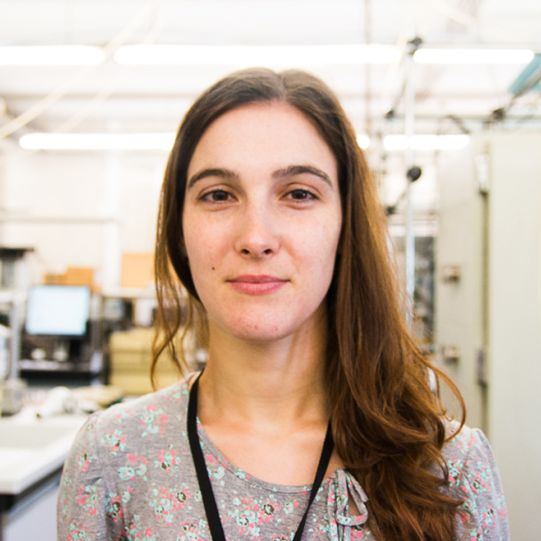
Marta Pedrosa

@sigarra.up.pt

PhD Researcher at the Department of Chemical Engineering
Faculty of Engineering of the University of Porto

Marta Pedrosa

EDUCATION

PhD in Chemical and Biological Engineering at the Faculty of Engineering, University of Porto (Portugal).

RESEARCH, TEACHING, or OTHER INTERESTS

Environmental Science, Chemical Engineering, Water Science and Technology
30

Scopus Publications

Scopus Publications

  • Drinking water treatment: Removal of pharmaceuticals using a Spirulina-based carbon biosorbent
    Ana L.R. Cabral, Leonor R. Barroca, Marta Pedrosa, Ana Rita Lado Ribeiro, Adrián M.T. Silva
    Journal of Water Process Engineering, 2025
    Ensuring access to safe drinking water is essential for human survival; hence, the need to eliminate contaminants of emerging concern (CECs) from our everyday water supply is imperative. This study aims to successfully remove microcontaminants from tap water using a highly porous Spirulina -based carbon material (ASBCM 800 ) with high surface area (1920 m 2 g −1 ) and compare the performance of this adsorbent with a commercially available tap water filter (CWF). To synthetise ASBCM 800 , Spirulina extract was pre‑carbonised at 600 °C, followed by potassium hydroxide activation at 800 °C. Nitrogen adsorption-desorption isotherms, scanning electron microscopy (SEM) and attenuated total reflection Fourier transformed infrared (FTIR-ATR) techniques were employed to fully characterise both ASBCM 800 and CWF materials, and their surface chemistry was also characterised by determining the pH at the point of zero charge ( pH PZC ). Adsorption tests were conducted with two model CECs, diclofenac (DCF) and venlafaxine (VFX), each individually spiked at 1 mg L −1 in two different matrices (ultrapure (UP) and tap water). Both contaminants were completely removed from tap water in <6 min using ASBCM 800 , and removals near 75 % were achieved after 3 h for higher concentrations. Adsorption equilibrium studies showed that ASBCM 800 exhibited high adsorption capacities for both VFX and DCF at 25 °C, and significantly surpassed the results obtained by the CWF in its original or ground forms. These results suggest that ASBCM 800 is a promising material for drinking water purification in point-of-use applications. • A Spirulina -based adsorbent (ASBCM 800 ) was compared to a commercial water filter (CWF). • Surface area of the highly porous ASBCM 800 was 3.4-fold higher than for CWF. • Diclofenac (DCF) and venlafaxine (VFX) were removed from UP and tap waters. • Adsorption capacities of ASBCM 800 for VFX and DCF, surpassed those of CWF. • ASBCM 800 could be used in point-of-use drinking water treatment devices.
  • Correction to: Nanocomposite PVDF/TiO2 Photocatalytic Membranes for Micropollutant Removal in Secondary Effluent (Catalysts, (2024), 14, 2, (109), 10.3390/catal14020109)
    Juan C. Aldana, Marta Pedrosa, Adrián M. T. Silva, Joaquim L. Faria, Juan L. Acero, Pedro M. Álvarez
    Catalysts, 2024
    In the original publication [...]
  • Spirulina-based carbon materials as adsorbents for drinking water taste and odor control: Removal efficiency and assessment of cyto-genotoxic effects
    Maria Antonopoulou, Anna Tzamaria, Marta F.F. Pedrosa, Ana R.L. Ribeiro, Adrián M.T. Silva, Triantafyllos Kaloudis, Anastasia Hiskia, Dimitris Vlastos
    Science of the Total Environment, 2024
  • An overview of bio-cellulose derived materials for catalytic water treatment
    Marta F.F. Pedrosa
    International Journal of Biological Macromolecules, 2024
    Bio-cellulose derived materials (BCM) exhibit distinct structural and morphologic properties, which make them suitable for catalytic environmental remediation. In the domain of water treatment, the prospects for BCM remain bright, offering new possibilities for the development of advanced materials with low environmental impact. Research on BCM as catalysts or catalyst immobilization platforms for water treatment is still limited, mostly using laboratory-grown biomaterials for the photocatalytic degradation of dyes. BCM production costs can be significant, which can hinder its application. Thus, cost-effective alternatives using waste materials as substrates for BCM culture media are highly desirable to optimize production, while also decreasing food waste. Moreover, advances in biotechnology can enhance BCM production, tailoring its properties to meet specific requirements. Hybrid catalytic BCM composites can be easily developed, due to the straightforward functionalization of the biomaterial's network, promoting the efficiency of a variety of catalytic systems. Still considering the intrinsic features of the biomaterial, membrane development and application pose as an opportunity for continuous flow evaluations, facilitating long-term usage and reusability. Nevertheless, there are still challenges regarding catalytic BCM for water treatment (i.e., cost-effectiveness, scaling up, and consistent performance in diverse treatment scenarios). Addressing these aspects can lead to innovative environmental remediation options.
  • Nanocomposite PVDF/TiO2 Photocatalytic Membranes for Micropollutant Removal in Secondary Effluent
    Juan C. Aldana, Marta Pedrosa, Adrián M. T. Silva, Joaquim L. Faria, Juan L. Acero, Pedro M. Álvarez
    Catalysts, 2024
    In this study, a mixed-matrix method was used to prepare PVDF polymeric membranes with different amounts of TiO2 P25 photocatalyst embedded, which were employed in filtration processes in the presence of UV radiation (LED, peak emission at 375 nm) to eliminate two aqueous micropollutants (MPs) used as model compounds (venlafaxine and metoprolol). The obtained membranes were characterized to gain insights into their texture, morphology, composition, and other catalyst-related properties that could affect the photocatalytic filtration process. For that purpose, N2 adsorption–desorption, contact angle, SEM-EDX, thermal analysis, FTIR, XPS, UV-vis DRS, and PL spectroscopy were used. Filtration tests were carried out in continuous mode using a dead-end filtration cell to evaluate the performance of the prepared membranes in removing the selected MPs. Experiments were performed both in ultrapure water and a secondary effluent from a municipal wastewater treatment plant. It was found that the synthesized membranes could effectively remove the target MPs in ultrapure water, achieving up to 99% elimination. Such process performance decreased drastically in the secondary effluent with removals below 35%. Carbonate/bicarbonate ions in the secondary effluent were identified as the main scavenging substances. Thus, after the partial removal of carbonate/bicarbonate ions from the secondary effluent, the removal of MPs achieved was above 60%.
  • Efficiency of the bank filtration for removing organic priority substances and contaminants of emerging concern: A critical review
    Attila Csaba Kondor, Anna Viktória Vancsik, László Bauer, Lili Szabó, Zoltán Szalai, Gergely Jakab, Gábor Maász, Marta Pedrosa, Maria José Sampaio, Ana Rita Lado Ribeiro
    Environmental Pollution, 2024
    With growing concerns regarding the ecological and human risks of organic micropollutants (OMPs) in water, much effort has been devoted worldwide to establishing quality standards and compiling candidate and watch lists. Although bank filtration is recognized as an efficient natural water treatment in the removal of contaminants such as OMPs, the increase in exploitation requires continuous assessment of removal efficiency. This review aims to provide a critical overview of bank filtration (BF) reports on more than a hundred priority substances (PSs) and compounds of emerging concern (CECs) listed in the relevant European Union regulations. Field- and lab-scale studies analyzing the removal efficiency and its variance of individual OMPs and biological indicators using BF and the main influencing factors and their interactions, shortcomings, and future challenges are discussed in this review. The removal efficiency of EU-relevant contaminants by BF has been comprehensively investigated for only a few pollutants listed in the environmental EU regulations: pharmaceutically active compounds, (e.g., the anti-inflammatory drug diclofenac, some antibiotics (e.g., sulfamethoxazole and trimethoprim)), a few pesticides (e.g., atrazine), and faecal indicators such as Escherichia coli. In many cases, the measured concentrations of PSs and CECs have not been published numerically, which hinders comprehensive statistical analysis. Although BF is one of the most cost-effective and efficient water treatments, present field and lab studies have demonstrated the diversity of site-specific factors affecting its efficiency. Even in the case of substances known to be removed by BF, the efficiency rates can vary with environmental and anthropogenic factors (e.g., hydrogeological parameters and the contamination level of infiltrating water) and abstraction well parameters (e.g., the depth, distance, and pumping volume). The published removal rate variations and influencing factors often reflect the research design (field or lab-scale), which can lead to ambiguities.
  • Application of g-C3N4-PVDF membrane for the photocatalytic degradation of micropollutants in continuous flow mode: Impact of water matrix
    Julia Nieto-Sandoval, André Torres-Pinto, Marta Pedrosa, Macarena Munoz, Zahara M. de Pedro, Cláudia G. Silva, Joaquim L. Faria, Jose A. Casas, Adrián M.T. Silva
    Journal of Environmental Chemical Engineering, 2023
  • Comprehensive characterization and development of multi-core shell superparamagnetic nanoparticles for controlled delivery of drugs and their kinetic release modelling
    Simone Moretto, Adriano Santos Silva, Jose L. Diaz de Tuesta, Fernanda F. Roman, Rita Cortesi, Ana Raquel Bertão, Manuel Bañobre-López, Marta Pedrosa, Adrián M.T. Silva, Helder T. Gomes
    Materials Today Chemistry, 2023
    The nanoparticles designed for application in cancer treatment should have biocompatibility, colloidal stability and triggered release at tumor sites. Magnetic nanoparticles arise as an interesting option to be used as drug nanocarriers, considering the possibility of driving nanoparticles to the correct delivery site and exploring different triggers to achieve such accomplishment. In this study, nickel ferrite nanoparticles are explored as a magnetic core for drug delivery systems, using doxorubicin and omeprazole as model drugs. The developed nickel ferrite presents a strong superparamagnetic behavior and high purity, as demonstrated by magnetometry and TGA results. The carbon-coating procedure and functionalization allowed the nanoparticle to achieve the desired characteristics for biomedical applications (i.e. stability in water, biocompatibility, and size). According to TEM results, the final carbon-coated magnetic nanoparticles have an average size of 25.09 ± 0.58 nm and multi-core shell architecture, which is suitable for biomedical applications as drug nanocarriers. In addition, DLS demonstrated that functionalized nanoparticles are monodisperse, with a hydrodynamic diameter of 167 ± 59 nm, which fits the recommended range (100–200 nm) to benefit from enhanced permeability and retention effect. Drug loading tests with doxorubicin and omeprazole revealed the versatility of the designed nanoparticles, able to load 97% of doxorubicin and 51% of omeprazole. The pH-triggered release was also confirmed for both pharmacological compounds, showing a higher cumulative drug under acidic conditions (simulating a tumor microenvironment). Finally, the kinetic analysis applied to the study of the release mechanism of both medicines showed that non-linear models fit with higher accuracy the experimental data.
  • 3D structured photocatalysts for sustainable H2O2 generation from saccharides derivatives
    Rita A. Borges, Marta F. Pedrosa, Yaidelin A. Manrique, Cláudia G. Silva, Adrián M.T. Silva, Joaquim L. Faria, Maria J. Sampaio
    Chemical Engineering Journal, 2023
    The possibility of using hydrogen peroxide (H2O2) as a chemical oxidizer or as a green liquid fuel to produce electricity has encouraged both the scientific and industrial communities to investigate green technologies aimed at the sustainability of the production process. In particular, the light-induced synthesis of H2O2 from water and oxygen has attracted significant attention using optical semiconductors. An exfoliated metal-free graphitic carbon nitride material (GCN-T) was prepared and tested for the photocatalytic production of H2O2 using five saccharides (arabinose, cellobiose, fructose, glucose, and sorbitol) as sacrificial electron donors. The results showed that the scavenging efficiency of the photogenerated holes rapidly increases with the number of –OH groups in the molecular structure of these sacrificial agents. Among the polyhydroxy compounds tested, the highest concentration of H2O2 was achieved using cellobiose. To develop a technological approach for H2O2 production, the GCN-T photocatalyst was immobilized on a 3D printed structure (GCN-T/3D structure), which showed high stability with both ultrapure water and seawater after several reusability runs. This innovative photocatalytic structure enables remarkable efficiency for H2O2 production, with an apparent quantum efficiency (AQE) of 17% at 412 nm radiation, compared to 12% obtained with GCN-T in suspension.
  • Selective denitrification of simulated oily wastewater by oxidation using Janus-structured carbon nanotubes
    Fernanda F. Roman, Jose L. Diaz de Tuesta, Flávia K.K. Sanches, Adriano Santos Silva, Pricila Marin, Bruno F. Machado, Philippe Serp, Marta Pedrosa, Adrián M.T. Silva, Joaquim L. Faria, Helder T. Gomes
    Catalysis Today, 2023
    The intense industrial development has resulted in several consequences for human and environmental health, including the increased discharge of oily products in water bodies. Oily products are widely used in industry, often bearing an associated high cost. Finding alternatives to treat oily wastewater aiming at recovering oily and water phases is an approach allowing recovery of products of economic interest. In this work, Janus-like carbon nanotubes (CNTs) were synthesized by varying the feed time of acetonitrile and ethylene, respectively, as nitrogen/carbon and carbon precursors in a chemical vapor deposition (CVD) approach. The CVD approach allowed the synthesis of completely undoped, completely doped and partially doped CNTs with a Janus structure. The CNTs were then tested as catalysts for the selective oxidation of 4-nitrophenol (4-NP) contained in a simulated oily wastewater (2,2,4-trimethylpentane/water (O/W) = 1:9, volume basis) by catalytic wet peroxide oxidation (CWPO). The CWPO experiments were conducted for 24 h, 80 °C, 2.5 g L−1 of catalyst, and the stoichiometric concentration of H2O2 (3.6 g L−1) for the degradation of 4-NP (1 g L−1). The same conditions were kept for experiments conducted under a biphasic system. The catalysts bearing a Janus-like structure were demonstrated to be more effective in CWPO experiments in aqueous-only and biphasic systems for the abatement of 4-NP.
  • Water disinfection by persulfate activation using a nitrogen-doped reduced graphene oxide – PVDF membrane
    Joaquín A. Marrero, Rui S. Ribeiro, Sara Ribeirinho-Soares, Marta Pedrosa, Adrián M.T. Silva, Olga C. Nunes
    Journal of Environmental Chemical Engineering, 2023
  • Carbon nitride – PVDF photocatalytic membranes for visible-light degradation of venlafaxine as emerging water micropollutant
    Laura Valenzuela, Marta Pedrosa, Ana Bahamonde, Roberto Rosal, André Torres-Pinto, Cláudia G. Silva, Joaquim L. Faria, Adrián M.T. Silva
    Catalysis Today, 2023
  • Pd and Pd-Cu supported on different carbon materials and immobilized as flow-through catalytic membranes for the chemical reduction of NO3-, NO2- and BrO3- in drinking water treatment
    Adrián Marí, José Alberto Baeza, Marta Pedrosa, O. Salomé G.P. Soares, Luisa Calvo, Miguel Ángel Gilarranz, Adrián M.T. Silva, M. Fernando R. Pereira
    Journal of Environmental Chemical Engineering, 2023
  • A technological approach using a metal-free immobilized photocatalyst for the removal of pharmaceutical substances from urban wastewaters
    Maria J. Sampaio, Ana R.L. Ribeiro, Cláudia M.R. Ribeiro, Rita A. Borges, Marta F. Pedrosa, Adrián M.T. Silva, Cláudia G. Silva, Joaquim L. Faria
    Chemical Engineering Journal, 2023
  • Performance of polycarbonate, cellulose nitrate and polyethersulfone filtering membranes for culture-independent microbiota analysis of clean waters
    Joana Abreu-Silva, Sara Ribeirinho-Soares, Inês Oliveira-Inocêncio, Marta Pedrosa, Adrián M.T. Silva, Olga C. Nunes, Célia M. Manaia
    Journal of Environmental Chemical Engineering, 2023
  • Spirulina-based carbon bio-sorbent for the efficient removal of metoprolol, diclofenac and other micropollutants from wastewater
    Marta Pedrosa, Rui S. Ribeiro, Sonia Guerra-Rodríguez, Jorge Rodríguez-Chueca, Encarnación Rodríguez, Adrián M.T. Silva, Maja Ðolic, Ana Rita Lado Ribeiro
    Environmental Nanotechnology Monitoring and Management, 2022
  • Mild temperature-gas separation performance of graphene oxide membranes for extended period: micropore to meso- and macropore readjustments and the fate of membranes under the influence of dynamic graphene oxide changes
    Chrysoula P. Athanasekou, Marta F. Pedrosa, Adrián M.T. Silva, Vassilis P. Psycharis, George E. Romanos
    Chemical Engineering Journal Advances, 2021
  • Graphene-based catalytic membranes for water treatment - A review
    Marta Pedrosa, José L. Figueiredo, Adrián M.T. Silva
    Journal of Environmental Chemical Engineering, 2021
  • Nitrogen-doped reduced graphene oxide – PVDF nanocomposite membrane for persulfate activation and degradation of water organic micropollutants
    Octávia Vieira, Rui S. Ribeiro, Marta Pedrosa, Ana R. Lado Ribeiro, Adrián M.T. Silva
    Chemical Engineering Journal, 2020
  • Hummers’ and Brodie's graphene oxides as photocatalysts for phenol degradation
    Marta Pedrosa, Eliana S. Da Silva, Luisa M. Pastrana-Martínez, Goran Drazic, Polycarpos Falaras, Joaquim L. Faria, José L. Figueiredo, Adrián M.T. Silva
    Journal of Colloid and Interface Science, 2020
  • Visible-light-induced self-cleaning functional fabrics using graphene oxide/carbon nitride materials
    Marta Pedrosa, Maria J. Sampaio, Tajana Horvat, Olga C. Nunes, Goran Dražić, Alírio E. Rodrigues, José L. Figueiredo, Cláudia G. Silva, Adrián M.T. Silva, Joaquim L. Faria
    Applied Surface Science, 2019
  • Metal-free graphene-based catalytic membrane for degradation of organic contaminants by persulfate activation
    Marta Pedrosa, Goran Drazic, Pedro B. Tavares, José L. Figueiredo, Adrián M.T. Silva
    Chemical Engineering Journal, 2019
  • N/S-doped graphene derivatives and TiO2 for catalytic ozonation and photocatalysis of water pollutants
    Marta Pedrosa, Luisa M. Pastrana-Martínez, M. Fernando R. Pereira, Joaquim L. Faria, José L. Figueiredo, Adrián M.T. Silva
    Chemical Engineering Journal, 2018
  • Ozonation and UV254 nm radiation for the removal of microorganisms and antibiotic resistance genes from urban wastewater
    José M. Sousa, Gonçalo Macedo, Marta Pedrosa, Cristina Becerra-Castro, Sérgio Castro-Silva, M. Fernando R. Pereira, Adrián M.T. Silva, Olga C. Nunes, Célia M. Manaia
    Journal of Hazardous Materials, 2017
  • Comparison of self-standing and supported graphene oxide membranes prepared by simple filtration: Gas and vapor separation, pore structure and stability
    C. Athanasekou, M. Pedrosa, T. Tsoufis, L.M. Pastrana-Martínez, G. Romanos, E. Favvas, F. Katsaros, A. Mitropoulos, V. Psycharis, A.M.T. Silva
    Journal of Membrane Science, 2017
  • Photocatalytic ozonation of urban wastewater and surface water using immobilized TiO2 with LEDs: Micropollutants, antibiotic resistance genes and estrogenic activity
    Nuno F.F. Moreira, José M. Sousa, Gonçalo Macedo, Ana R. Ribeiro, Luisa Barreiros, Marta Pedrosa, Joaquim L. Faria, M. Fernando R. Pereira, Sérgio Castro-Silva, Marcela A. Segundo, Célia M. Manaia, Olga C. Nunes, Adrián M.T. Silva
    Water Research, 2016
  • Environmental friendly method for urban wastewater monitoring of micropollutants defined in the Directive 2013/39/EU and Decision 2015/495/EU
    Ana R. Ribeiro, Marta Pedrosa, Nuno F.F. Moreira, Manuel F.R. Pereira, Adrián M.T. Silva
    Journal of Chromatography A, 2015
  • Comparison of the antibacterial activity of modified-cotton with magainin I and LL-37 with potential as wound-dressings
    Marta Pedrosa, Cláudia Mouro, Frederico Nogueira, Joana Vaz, Isabel Gouveia
    Journal of Applied Polymer Science, 2014
  • Two surface activation strategies to functionalize cotton fibers with Cys-LC-LL-37 antibacterial peptide
    Cláudia Mouro, Marta Pedrosa, Joana Vaz, Isabel Gouveia
    AATCC Journal of Research, 2014
  • Development of flow injection potentiometric methods for the off-line and on-line determination of fluoride to monitor the biodegradation of a monofluorophenol in two bioreactors
    Raquel B.R. Mesquita, Inês C. Santos, Marta F.F. Pedrosa, Anouk F. Duque, Paula M.L. Castro, António O.S.S. Rangel
    Talanta, 2011