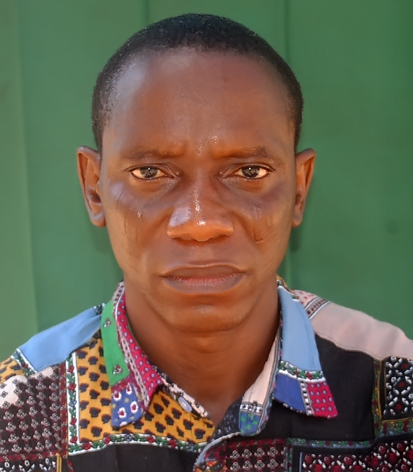
AbdulRahaman has published many articles in reputable journals, both locally and internationally. His publications included articles in journals, conference proceedings, books, and chapters in books.
He has served the Department, Faculty, and the University in various capacities (administratively and as members of various committees). He was the Acting Head of the Department between 2013 to 2015 and substantial Head of the Department from 2017 to 2021.
He is a member of many academic societies such as the Botanical Society of Nigeria (BOSON), Nigerian Society of Experimental Biology (NISEB), Society for Conservation of Phytofuel and Sciences, Linnean Society of London, Society of Biology, Society of Herbarium Curator, and American Society of Plant Taxonomists. He is the Vice President I of the Society for Conservation of Phytofuel and Sciences, and an Assistant Editor for the International Journal of Phytofuel and Sciences.
EDUCATION
Nigeria Certificate of Education (NCE) in 1992 from the Kwara State College of Education, Ilorin,
B.Sc. [Hons] Degree (Botany) in 1998 from the Department of Biological Sciences,
M.Sc. Degree (Botany) and Ph.D. Degree (Plant Biology) in 2002 and 2010 from the Departments of Botany and Plant Biology of the University of Ilorin, Ilorin, Nigeria respectively.
Higher National Diploma in Public Administration in 1996 from Kwara State Polytechnics, Ilorin,
Certificate in Data Processing in 1997 from the University of Ilorin Computer Centre
Biodiversity science is improved when silent herbaria speak Daniel A. Zhigila, Ryan J. Schmidt‐Knapik, Barbara M. Thiers, Suleiman D. Abdul, Salihu Abdullahi, et al. Plants People Planet, 2025 Societal Impact StatementHerbaria in the Global South are critical yet underutilized resources for biodiversity science and are often absent from international databases and research networks. We highlight the phenomenon of “silent herbaria” using Nigeria as a case study and quantify how these collections fill important gaps in global biodiversity knowledge. By integrating these collections into international systems, we can strengthen ecological models, promote research equity, and support global efforts to democratize science and build more inclusive biodiversity infrastructures.Summary Herbaria represent a global biodiversity heritage essential for botanical research and conservation assessments. Despite their importance, herbaria around the world—especially in under‐resourced regions, including much of Africa—are “silent.” Silent collections are relatively unknown, underused, and underappreciated by the global botanical community. Here, we illustrate these problems through a detailed case‐study of Nigerian herbaria and demonstrate that biodiversity assessments can be dramatically improved when silent herbaria are empowered to speak. We identified that new herbaria in Africa are being established at a faster rate than suggested by international registries. Over 70% of Nigerian herbaria are unrecognized in key international registries, making them nearly invisible and inaccessible to the global research community. More than 90% of these collections remain undigitized and thus are inaccessible online. Because these collections capture critical temporal and spatial gaps not represented in herbaria outside of Nigeria, their absence from global databases reduces the accuracy of large‐scale biodiversity models. Despite these many striking challenges, the number of silent herbaria in Nigeria has increased at a rate faster than the global average owing to commitments by Nigerian biodiversity scholars and administrators to prioritize herbaria for research and education. However, severely limited funding and inadequate infrastructure to effectively house these collections threaten their continued use, growth, sustainability, and online mobilization. Silent herbaria are critical for improving biodiversity science at regional and global levels. Integration into global networks, increased investment, and digitization efforts are crucial for giving voice to silent herbaria in Africa. Large benefits to biodiversity science will accrue rapidly from such investment and integration.
Phylogenetic Position of Nigerian Species of Curcuma longa (Zingiberaceae) in the Current Infrageneric Classification Bashir Bolaji Tiamiyu, Azeez Adebola Lateef, Abdulquadri Sagaya, Khadijah Abdulhamid Abdulkareem, Bolaji Umar Olayinka, et al. Fountain Journal of Natural and Applied Sciences, 2024 Curcuma longa L. (commonly known as Tumeric) is the only species of the genus Curcuma found in Nigeria. It is of great economic importance to Nigeria, Africa, Asia, and other parts of the world, where it is widely used for ornamental and medicinal purposes, and as spices in food and beverages. However, the phylogenetic placement of the turmeric plant (C. longa) in Nigeria is far from being fully resolved, hence the need for this study. The rhizomes of turmeric were collected at the Forestry Research Institute of Nigeria, Ibadan, Oyo state. Genomic DNA was extracted, followed by the amplification of the ITS and psbA-trnH regions. Phylogenetic analysis was conducted using the Maximum likelihood method. The result resolved the phylogenetic position of Nigerian species and supported existing subgenera classification into three clades, all with high bootstrap support for the three clades. The result of this study supports the subgenera classification of the genus and further reveals the phylogenetic position of C. longa. Keywords: Curcuma longa, ITS, psbA-trnH, Sanger Sequencing, Zingiberaceae
Morphometric Studies of Accessions of Duranta erecta L. (Vebernaceae) Complex in Nigeria ABDULQUADRI SAGAYA, ABDULLAHI ALANAMU ABDULRAHAMAN Borneo Journal of Resource Science and Technology, 2023 Studies were conducted to broaden the systematic knowledge of the genus Duranta erecta L., to contribute a better understanding of their taxonomic and evolutionary relationships. Previous studies have pointed out complexity in the taxonomy and nomenclature of the species. A total of 224 samples were collected from six geo-political zones of Nigeria, and were grouped into 38 accessions. The plants were compared using 21 morphological characters involving qualitative and quantitative characteristics. Multivariate analyses such as Principal Component Analysis (PCA) and Cluster Analysis (CA) were employed to evaluate the intraspecific variabilities. The results showed that all the plants exhibited significant differences in all the quantitative attributes with the variegated type having the longest and widest leaves ranging from 12.20 cm and 5.08 cm, respectively. The qualitative characters delimited the plants accessions into distinctive groups of eight morphological forms namely; green bush, yellow bush, variegated yellow, variegated white, variegated yellow double, plain yellow, broad green, thorny green type. The PCA showed that leaf length, leaf width, internode length and length of inflorescence were some of the quantitative characters while leaf shape, leaf colour, leaf margin, flower colour and leaf apex are some of the qualitative traits that accounted for the delimitation. Unpaired Weighted Group Multivariate Analysis (UPGMA) using the Euclidian separated the 38 accessions into two major clusters; cluster I (flower producing) and cluster II (non-flower producing) Duranta erecta. Morphological variations and field observations suggested that there could be gene flow among the accessions of Duranta erecta studied and gene flow is an important factor in population genetics, shaping the diversity of species.
Molecular Characterization of Potential Crop Pathogens Associated with Weeds as Endophytes in Uniilorin Plantations, Nigeria A. A. Lateef, T. Garuba, K. A. Abdulkareem, B. U. Olayinka, G. S. Olahan, et al. Baghdad Science Journal, 2022 Crop diseases are usually caused by inoculum of pathogens which might exist on alternate hosts or weeds as endophytes. These endophytes, cum pathogens, usually confer some beneficial attributes to these weeds or alternate hosts from protection against herbivores, disease resistance, stress tolerance to secondary metabolites production. This study was therefore carried out to isolate potential crop pathogens which exist as endophytes on weed species in the University of Ilorin plantations. Green asymptomatic leaves were collected from 10 weed species across the plantations, and processed for their endophytic fungi isolation. Isolates were purified into pure cultures and used for molecular identification using the internal transcribed spacer (ITS) region of the ribosomal DNA. Phylogenetic analysis of the fungal sequences using MEGA software revealed 9 fungal genera belonging to 13 species, with species in the genera Curvularia, Epicoccum and Daldinia occurring in more than one weed species, while other genera such as Alternaria, Fusarium, Chaetomium, Macrophomina, Arthrinium and Phomopsis occurred in just one weed species each. Daldinia eschscholtzii was isolated in this study as an endophyte from Loudetia arundinacea for the first time. This plant is very abundant in Nigeria and Africa where it is used majorly for thatching and feeding livestocks. This also represents the first endophytic fungi from the genus Loudetia. Potential relationship between the occurrences of these fungi as endophytes and as pathogens are discussed. These discoveries represent the first large-scale molecular identification and several first reports of endophytes from these weed species. These results also represent the first records of some of these fungi in Nigeria.
A numerical approach to the taxonomy of some species of the subtribe cassiinae in Nigeria Opeyemi Saheed Kolawole, Abdullahi Alanamu Abdulrahaman, Emmanuel Chukwudi Chukwuma, Mahboob Adekilekun Jimoh Webbia, 2021 Twelve morphological parameters from the leaves, fruits, and pedicel of fifteen (15) species of the subtribe Cassiinae were studied using the methods of numerical taxonomy. Characters such as leaflet length, leaflet width, and leaflet length/width ratio contributed significantly in the delimitation of the species studied. While C. italica and Ch. mimosoides are the most closely related taxa, C. fistula and C. singueana appear to be the most distantly related as reflected by the cluster coefficients. Further illustrations as revealed by the dendrogram and scatter plot generated placed the 15 studied species into three groups. While we acknowledge the relevance of phylogenetic analysis in taxonomic studies as it is in recent times, we strongly support the application of numerical taxonomy to compliment findings.
Surface sterilization of Ocimum seeds and tissues with biosynthesized nanosilver and its effects on callus induction AA Adebomojo, AA AbdulRahaman Iop Conference Series Materials Science and Engineering, 2020 Plant tissue culture is a basic and fundamental component of plant biotechnology. Nowadays, nanomaterials especially nanosilver (NS) are being used as an antimicrobial agents for surface sterilization of explants in tissue culture. In this study, biosynthesized nanosilver (BNS) was used for the surface sterilization of Ocimum seeds and tissues and its effects on callus induction were evaluated. The seeds and tissues were exposed to different concentrations of BNS (10, 50 and 100 mg/l) as well as 5% Clorox for five exposure times (5, 10, 20, 30 and 60 min) and effects on germination, callus induction and surface sterilization were determined. The BNS was found very effective on surface sterilization as 100% decontamination was achieved with no adverse effect on explant viability and callus formation but rather had stimulating effect on formation of callus. The study concluded that BNS can be used as an antimicrobial agent in surface disinfection of explants therefore extending the frontiers of the potential application of biosynthesized nanosilver in tissue culture.
Effects of malaria parasitaemia on some haemostatic parameters among pregnant women of African descent in Specialist Hospital Sokoto, Nigeria Osaro Erhabor, Abdullahi Abdulrahaman, Tosan Erhabor Human Antibodies, 2020 BACKGROUND Malaria in pregnancy is a major contributor to adverse maternal and prenatal outcome. In hyper endemic areas like ours, it is a common cause of anaemia in pregnancy and is aggravated by poor socioeconomic circumstance. This study evaluated the prothrombin time and activated partial thromboplastin time of malaria parasitized pregnant women. METHOD A total of 90 pregnant women participated in the study, 60 of which were malaria positive and 30 of which were malaria negative. Participants were recruited from the antenatal Clinic of Specialist Hospital Sokoto, Nigeria. A structured interviewer-administered questionnaire was used to obtain some socio-demographic characteristics of subjects. Blood samples were collected in ethylene diamine tetra acetic acid and examined for malaria parasite and platelet count while citrated samples were used for the determination of some haemostatic parameters (prothrombin time and activated partial thromboplastin time). Data generated was analyzed using SPSS 25.0 statistical package. A p-value ⩽ 0.05 was considered significant in all statistical comparisons. RESULT There was a statistically significant decrease (p= 0.000) in the platelet counts of the parasitized subjects compared to the non-parasitized controls. We observed a significant prolongation on both the prothrombin time and activated partial thromboplastin time among the parasitized subjects compared to the non-parasitized controls (p= 0.000). CONCLUSION This study has shown that malaria in pregnancy causes a significant decrease in the platelet count and prolongation in the prothrombin (PT) and the activated partial thromboplastin time (APTT). There is need for the malaria and haemostatic parameters to be assayed routinely on pregnant women particularly those presenting to antenatal clinic with febrile illness.
Comparative biodiversity assessment of weed species in monocropping plantations of University of Ilorin, Nigeria West African Journal of Applied Ecology, 2020
Gas chromatographic-mass spectrometry-based chemotaxonomic profiling of Senna, Cassia, and Albizia species of the Fabaceae family A Sagaya, AI Lawal, SA Adeniran, SA Okewande, AA AbdulRahman Journal of Biological and Allied Sciences 1 (1), 37-49 , 2026 2026
Melissopalynological Study of Honey in some selected areas of Offa, Kwara State, North Central, Nigeria SA Adeniran, AA Abdulrahaman, OR Solomon 2025
Molecular characterization and multilocus dna barcode-based delimitation of Duranta erecta L. morphotypes from Nigeria A Sagaya, AA Abdulrahaman Bangladesh Journal of Plant Taxonomy 32 (1), 65-75 , 2025 2025
Taxonomic characteristics of xylem anatomy in some species of Euphorbia in Nigeria SA Adeniran, A Sagaya, AA Adewumi, JO Alabi, AA Abdulrahaman Phytologia Balcanica 31, 95-102 , 2025 2025
Systematic leaf architectural diversity of African Annonaceae Juss. and the implications of its venation patterns SA Adeniran, BA Ajayi, AA AbdulRahaman South African Journal of Botany 181, 485-495 , 2025 2025 Citations: 1
Biodiversity science is improved when silent herbaria speak DA Zhigila, RJ Schmidt‐Knapik, BM Thiers, SD Abdul, S Abdullahi, ... Plants, People, Planet , 2025 2025 Citations: 5
Relationships Between Glandular Trichomes and Essential Oil Production in Ocimum basilicum and Ocimum sanctum (LAMIACEAE) SA Adeniran, AA AbdulRahaman, AM Khan Dutse Journal of Pure and Applied Sciences 11 (1c), 300-313 , 2025 2025 Citations: 2
Fixed Orthodontic Retentions from Orthodontists’ Perspectives (A Qualitative Study) A Abdulrahman Sulaimani Dental Journal 12 (1), 43-50 , 2025 2025
New records of fungal endophytes from Unilorin Sugarcane plantation using internal transcribed spacer gene sequences AA Lateef, T Garuba, KA Abdulkareem, BU Olayinka, GS Olahan, ... Science World Journal 19 (4), 945-950 , 2024 2024
Phylogenetic position of Nigerian species of Curcuma longa (Zingiberaceae) in the current infrageneric classification BB Tiamiyu, AA Lateef, A Sagaya, KA Abdulkareem, BU Olayinka, ... Fountain Journal of Natural and Applied Sciences 13 (1), 15 - 22 , 2024 2024 Citations: 1
Morphometric studies of accessions of Duranta erecta L. (Vebernaceae) complex in Nigeria: morphometric studies of Duranta erecta in Nigeria. A Sagaya, AA Abdulrahaman 2023
Morphometric Studies of Accessions of Duranta erecta L.(Vebernaceae) Complex in Nigeria A Sagaya, AA ABDULRAHAMAN Borneo Journal of Resource Science and Technology 13 (1), 108-119 , 2023 2023 Citations: 3
Sustainable Agricultural Practices of Industrially Utilized Tropical Medicinal Plants N Patel, S Patel, SB Adeyemi, AA AbdulRahaman, KS Olorunmaiye, ... Sustainable Uses and Prospects of Medicinal Plants, 189-225 , 2023 2023 Citations: 3
Systematic implication of GC-MS analysis of secondary metabolites in Duranta erecta L. Forms in Nigeria A Sagaya, AA Abdulrahaman Sri Lankan Journal of Biology 8 (1) , 2023 2023 Citations: 3
Protective and ameliorative effects of virgin coconut oil on cadmium-damaged wistar rats’ testes OW Akintunde, OO Joseph, HO Afolabi, OA Alamu, A Abdulrahaman World Journal of Surgery and Surgical Research 6 , 2023 2023 Citations: 5
Proposing a Nigerian botanical garden design with selected plant species for sustainability, development and ecosystem services JO Alabi, OJ Joseph, LO Alamu, FA Oladele, AA AbdulRahaman Nigerian Journal of Horticultural Science (NJHS), 27(2): 138 – 147 27 (2 … , 2023 2023 Citations: 3
Authentication of some commercial teas in Ilorin, north-central, Nigeria A Sagaya, AA AbdulRahaman, A Adewumi Romania Journal of Biology – Plant Biology 68 (1-2), 41 - 49 , 2023 2023 Citations: 2
Wood preservative potentials of three plant species used locally in Nigeria A Sagaya, AA AbdulRahaman, GS Olahan, SA Adeniran Romania Journal of Biology – Plant Biology 67 (1-2), 47 - 63 , 2023 2023 Citations: 1
THE TINY GIANT OF THE UNSEEN THAT EXPLAINS THE SEEN AA AbdulRahaman The Library and Publication Committee, University of Ilorin, Ilorin, Nigeria … , 2023 2023
Effects of soil pollution on the germination, growth, fruiting and leaf anatomy of Abelmoschus caillei (A Chev.) Stevels Malvaceae A Sagaya, AA Abdulrahaman, PO Oluwanisola, SB Tsoho Science World Journal 18 (1), 64-70 , 2023 2023
MOST CITED SCHOLAR PUBLICATIONS
Traditional preparations and uses of maize in Nigeria AA Abdulrahaman, OM Kolawole Ethnobotanical Leaflets 2006 (1), 23 , 2006 2006 Citations: 162
Fruit morphology as taxonomic features in five varieties of Capsicum annuum L. Solanaceae DA Zhigila, AA AbdulRahaman, OS Kolawole, FA Oladele Hindawi Publishing Corporation Journal of Botany , 2014 2014 Citations: 122
Effects of fungal filtrates on seed germination and leaf anatomy of maize seedlings (Zea mays L., Poaceae) T Garuba, AA AbdulRahaman, GS Olahan, KA Abdulkareem, JE Amadi Journal of Applied Science & Environmental Management 18 (4), 662 , 2014 2014 Citations: 41
Stomatal complex types, size, density and index in some vegetable species in Nigeria AA AbdulRahaman, FA Oladele Nigerian Journal of Botany 16, 144-150 , 2003 2003 Citations: 40
Stomatal anatomy and transpiration rate in some afforestation tree species MO Oyeleke, AA AbdulRahaman, FA Oladele NISEB Journal 4 (2), 83-90 , 2004 2004 Citations: 36
Diagnostic Significance of Leaf Epidermal Features in the Family Cucurbitaceae AA AbdulRahaman, RA Oyedotun, FA Oladele Insight Botany 1 (2), 22 - 27 , 2011 2011 Citations: 34
Stomatal complex types and transpiration rates in some tropical tuber species RO Saadu, AA Abdulrahaman, FA Oladele African Journal of Plant Science 3 (5), 107-112 , 2009 2009 Citations: 34
Influence of cement dust pollution on leaf epidermal features of Pennisetum purpureum and Sida acuta CO Ogunkunle, AA Abdulrahaman, PO Fatoba Environmental and Experimental Biology 11 (1), 73-79 , 2013 2013 Citations: 33
Stomatal complex types, stomatal density, and the stomatal index in some species of Dioscorea AA Abdulrahaman, FO Egbedo, FA Oladele Archives of Biological Sciences 61 (4), 847-851 , 2009 2009 Citations: 31
Surface sterilization of Ocimum seeds and tissues with biosynthesized nanosilver and its effects on callus induction AA Adebomojo, AA AbdulRahaman IOP conference series: materials science and engineering 805 (1), 012024 , 2020 2020 Citations: 29
Stomatal features and humidification potentials of Borassus aethiopum, Oreodoxa regia and Cocos nucifera AA Abdulrahaman, FA Oladele African Journal of Plant Science 3 (4), 059-063 , 2009 2009 Citations: 29
Stomata, trichomes and epidermal cells as diagnostic features in six species of genus Ocimum L.(Lamiaceae) AA Abdulrahaman, FA Oladele Nigerian Journal of Botany 18, 214-223 , 2005 2005 Citations: 29
Traditional preparations and uses of groundnut in Nigeria AA Abdulrahama, BU Olayinka, ZD Andrauwus, TA Aluko, FA Oladele Annals. Food Science and Technology , 2014 2014 Citations: 26
Response of trichomes to water stress in two species of Jatropha AA Abdulrahaman, FA Oladele Insight Botany 1 (2), 15 - 21 , 2011 2011 Citations: 26
Ethnobotanical study of economic trees: uses of trees as timbers and fuelwoods in Ilorin Emirate of Kwara State, Nigeria AA Abdulrahaman, OJ Fajemiroye, FA Oladele Ethnobotanical leaflets 2006 (1), 13 , 2006 2006 Citations: 25
Combined administration of Spondias mombin and Ficus exasperata leaf extracts stall Indomethacin-mediated gastric mucosal onslaught in rats. S Saheed, SA Olarewaju, G Taofeeq, ST Olatunde, AA Alanamu African journal of traditional, complementary and alternative medicines 12 … , 2015 2015 Citations: 22
Morphometric Study of Several Species of the Genus Jatropha Linn.(Euphorbiaceae) AA Opeyemi Saheed KOLAWOLE, ABDULRAHAMAN, ... Notulae Scientia Biologicae 8 (2), 211 - 215 , 2016 2016 Citations: 19
Leaf micromorphology of some Amaranthus AA AbdulRahaman, FA Oladele Nigerian Journal of Pure Applied Sciences 23, 2136-2143 , 2010 2010 Citations: 18
Stomatal complex types, stomatal density and stomatal index in some Jatropha species L.(Euphorbiaceae) AA Abdulrahaman, FA Oladele Nigerian Journal of Pure and Applied Sciences 23, 2160-2163 , 2010 2010 Citations: 17
Computerized system for identification of some savanna tree species in Nigeria AA Abdulrahaman, IB Asaju, MO Arigbede, FA Oladele Journal of Horticulture and Forestry 2 (6), 112-116 , 2010 2010 Citations: 16
GRANT DETAILS
Grant Senate Research Grant: Ecotype of Vitellaria paradoxa
Grantor University of Ilorin, Ilorin, Nigeria
Date 2010 – 2011
Duration 12 months
Present status Completed
Grant TETFund Institution-Based Research Fund (IBRF-TETFund grant): Phytotosocialogical Survey and Characterization of Weeds and their Associated Fungi in Selected Plantations of University of Ilorin, Ilorin, Nigeria
Grantor Tertiary Education Trust Fund (TETFund)
Amount N1, 300, 000 (One Million Naira, Three Hundred Thousand Naira only)
Date IBRF Award of 2016 – 2017
Duration 12 months (2018 – 2019)
Present status Completed
RESEARCH OUTPUTS (PATENTS, SOFTWARE, PUBLICATIONS, PRODUCTS)
Computerized System for Identification of some Savanna Tree Species in Nigeria NG/P/2010/336