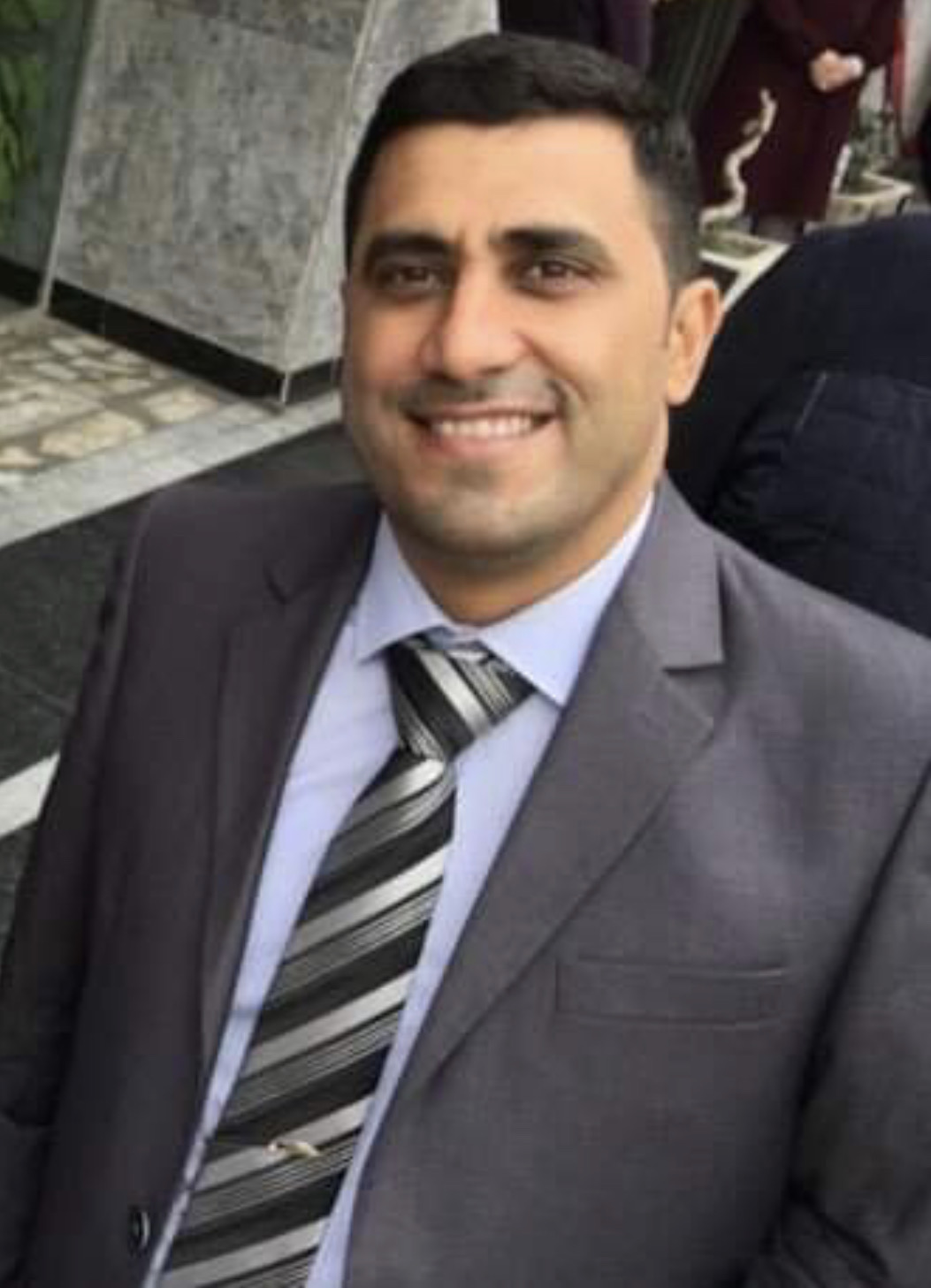
Dr. Hashim Mueen Hussein
Lecturer, Department of Conservative Dentistry
College of Dentistry, Mustansiriyah University, Baghdad, Iraq
________________________________________
Education
• Bachelor of Dental Science (BDS)
• Master's Degree in Operative Dentistry (MSc)
College of Dentistry, Mustansiriyah University, Baghdad, Iraq
________________________________________
Professional Experience
• Lecturer, Department of Conservative Dentistry (Present)
College of Dentistry, Mustansiriyah University, Baghdad, Iraq College of Dentistry, Mustansiriyah University, Baghdad, Iraq
• Head of Postgraduate Studies Department (Present)
College of Dentistry, Mustansiriyah University, Baghdad, Iraq
• Clinical Experience: Extensive clinical experience in operative dentistry, endodontic treatment, and crown and bridge treatment (since 2009)
________________________________________
Research Interests
• Endodontology
• Operative Dentistry
• Periodontology
• Dental Research
________________________________
EDUCATION
I have a Bachelor of Dental Science (BDS) and Master’s Degree in Operative Dentistry (MSc) from the College of Dentistry, Al-Mustansiriyah University, Baghdad, Iraq.
RESEARCH, TEACHING, or OTHER INTERESTS
General Dentistry, Dentistry
30
Scopus Publications
231
Scholar Citations
9
Scholar h-index
8
Scholar i10-index
Scopus Publications
Linkage Analysis of Polymorphism of CARD8 Gene (SNP: rs2043211) in Relation to Dental Caries: A Case-Control Study Hashim Mueen Hussein, Sura Sabah, Athraa Ali Mahmood Current Research in Dental Sciences, 2026 Objective: Teeth decay disease is a huge health problem and some reports have inferred caspase recruitment domain family member 8 (CARD8), inflammasome sensor involvement in the disease. Several single nucleotide polymorphisms (SNPs) have been detected in the CARD8 gene. The reference SNP 2043211 (rs2043211) variant is situated in its exon region, leading to the dental caries. The study aimed to determine the impact of the CARD8 (rs2043211SNPs) on the susceptibility of caries presence in patients.Methods: The case-control study included 38 participants aged 20-30 years divided into two groups; the first group (17) was healthy with non-carious teeth and the other group (21) was with active decayed teeth. The clinical examination was done for caries detection then the peripheral blood was taken from all included participants of both groups. The CARD8 gene SNP rs2043211 was amplified and sequenced.Results: Hardy-Weinberg Equilibrium (HWE) analysis of CARDS8 at SNP rs2043211 showed a non-significant (NS) difference in both studied groups. The Adenine Thymine (AT) genotype among the decayed participants was 13 SNPs while in healthy participants 8 SNPs with a non-significant (NS) difference (P=.3). Nevertheless, the odds Ratio (OR) of the AT genotype was 1.83 (0.49-6.7, P=.3) and for genotype TT, it was 1.3 (0.3-5.6, P=.7). It was observed that SNP rs2043211 was associated with tooth decay. In addition, OR for the A allele is 0.6 (0.024-1.5) and 1.65 (0.6-4.15) for the T allele with P=.2 for both alleles.Conclusion: Many factors can play an important role in the initiation and progression of the caries directly or indirectly. The allelic variations in the CARD8 gene are to have been associated with the development of decayed teeth among patients.Keywords: CARD8 gene polymorphism, dental caries, sequencing, teeth decay
Nanoparticle-Assisted Endodontic Irrigation: A Systematic Review of Preclinical Studies Hashim Mueen Hussein, Ahmed Ali Clinical Cosmetic and Investigational Dentistry, 2026 Background: Conventional root canal irrigants such as sodium hypochlorite (NaOCl) and ethylenediaminetetraacetic acid (EDTA) are widely used because of their antimicrobial and chelating properties; however, their effectiveness may be limited by biofilm resistance and complex root canal anatomy, and they may adversely affect dentin microstructure and regenerative potential. Objective: This systematic review evaluated preclinical evidence on nanoparticle-based endodontic irrigation with respect to antimicrobial and antibiofilm activity, dentin-related outcomes, and biocompatibility or regeneration-related effects. Methods: PubMed/MEDLINE and ScienceDirect were systematically searched for English-language studies published from January 2015 to December 2025 using the following Boolean strategy: ("Nanoparticles" OR "Nano-based") AND ("Root canal irrigant" OR "Antibiofilm") AND ("Dentin surface" OR "Biocompatibility"). Eligible studies were original preclinical investigations evaluating nanoparticle-assisted irrigation or disinfection in extracted human-tooth models. After screening 695 records against predefined eligibility criteria, 12 studies were included. Results: . Activation approaches, including photodynamic, sonic, and ultrasonic methods, were frequently associated with enhanced antimicrobial performance. Some studies also reported improved smear-layer removal, preservation of dentin ultrastructure, and favorable mechanical outcomes. In addition, several biology-related studies suggested acceptable cytocompatibility, growth-factor release, and improved healing-related responses under experimental conditions. Conclusion: Nanoparticle-assisted irrigation shows promising preclinical potential as an adjunct to conventional root canal disinfection. However, heterogeneity in study design and the absence of clinical evidence limit definitive conclusions and preclude routine clinical recommendations at present.
Comparative effectiveness of silver diamine fluoride, papain-based material and CeraBur® in remineralizing or selectively removing infected dentin in primary teeth: A three-month randomized clinical trial Alhamzah Thaer Hasan, Maha Jamal Abbas, Hashim Mueen Hussein Dental and Medical Problems, 2026 BACKGROUND: The conventional method of removing caries lesions is an anxiety-inducing process that often necessitates the administration of local anesthesia and the extensive removal of tooth structure. Therefore, minimally invasive procedures are required to preserve tooth structure and minimize discomfort. OBJECTIVES: The aim of the study was to compare 3 minimally invasive treatments for the management of dental caries, evaluating factors such as treatment time, the need for anesthesia, reported adverse events, and restorative material follow-up. MATERIAL AND METHODS: A clinical trial was conducted on 45 children aged 7-8 years with active caries in primary molars. The samples were divided into 3 groups based on the applied treatment: 38% silver diamine fluoride (e-SDF®) group; BRIX3000® group; and CeraBur® group. The duration of treatment was recorded using a stopwatch. Adverse events, including tooth pain irritations, lesions, spots, and discolorations, were reported by parents within 2 weeks. The durability of the restorative material, namely glass ionomer cement (GIC), was assessed after 3 months. The χ2 and Kruskal-Wallis tests were conducted to analyze the data. The values were considered statistically significant at p ≤ 0.05. RESULTS: A significant difference in the duration of caries removal procedure was noted between the 3 treatment methods based on the median values (e-SDF®: 471 s, CeraBur®: 171 s, BRIX3000®: 1,173 s) (p < 0.001). Post hoc pairwise comparisons indicated significant differences in duration of the procedure between the CeraBur® and BRIX3000® groups, as well as between the e-SDF® and BRIX3000® groups (p < 0.001). The need for local anesthesia varied significantly between the 3 methods (p = 0.021). A significant difference was observed in the incidence of postoperative complications among the 3 methods, with the rate of adverse events equaling 9 (60.0%) in the e-SDF® group and 2 (13.3%) in the remaining groups (p = 0.013). A 3-month follow-up revealed a borderline significant difference in GIC integrity among the 3 methods (p = 0.052). CONCLUSIONS: Caries excavation using BRIX3000® required a longer duration compared with e-SDF® and CeraBur®. Silver diamine fluoride was found to be a simple, minimally invasive approach for caries management and was effective in reducing the need for local anesthesia during treatment. Further research is required to evaluate patient satisfaction and restoration outcomes over longer follow-up periods.
The Impact of Ginger Mouthwash on Pregnant Women with Stress and Gingivitis by Measuring Different Salivary Biomarker Levels Batool Abbas Tareq, Athraa Ali Mahmood, Hashim Mueen Hussein Eurasian Journal of Medicine, 2026 Background: Gingivitis is common among pregnant women due to hormonal changes, and stress can increase the severity. Chlorhexidine (CHX) is the standard treatment for gingivitis, but its side effects limit its use during pregnancy. Ginger has an anti-inflammatory and antioxidant effect. The research aims to evaluate ginger mouthwash’s impact on gingival health, cortisol, and lactoferrin (LF) levels in pregnant women with stress and gingivitis compared to distilled water and CHX.Methods: The completed research was a parallel 3-arm triple-blind randomized clinical investigation. The study included 45 pregnant women with stress and gingivitis. Clinical periodontal indicators (bleeding on probing [BOP], plaque index [PI], and gingival index [GI]) were examined at baseline visit and after 7 days of using mouthwash, diaphragmatic breathing, and progressive muscle relaxation (PMR). Salivary cortisol and LF levels were measured, and a comparison was made before and after treatment. The participants answered a “visual analog scale-based questionnaire” at the second visit.Results: Significantly reduced in BOP, PI, and GI in all interventions, but ginger and CHX had a greater significant effect compared to placebo. All mouthwashes, diaphragmatic breathing, and PMR significantly reduced cortisol and LF concentrations. However, the responses to the questionnaire showed that ginger and CHX had significant differences in Q1 and Q3, while nonsignificant differences in Q2, Q4, Q5, and Q6.Conclusion: Ginger mouthwash achieved CHX-comparable reductions in BOP, GI, and PI and decreased cortisol and LF concentrations after 1 week from baseline without adverse effects, highlighting a safe, natural alternative during pregnancy., Cite this article as: Tareq BA, Mahmood AA, Hussein HM. The impact of ginger mouthwash on pregnant women with stress and gingivitis by measuring different salivary biomarker levels. Eurasian J Med. 2026, 58(1), 1093, doi: 10.5152/eurasianjmed.2026.251093.
The impact of bite force on the stability of dental implants Nawres Bahaa Mohammed, Zina Ali Daily, Mohammed Rhael Ali, Noor Fathi Kazim, Hashim Mueen Hussein, Athraa Ali Mahmood Plos One, 2026 Background Since dental implants (DI) are endo-osseous implants that are inserted into the bone and periodontium, which ultimately support the occlusal load, a patient’s bite force (BF) may overburden the supporting DI, leading to bone loss and DI failure. The purposes of this study were to explore the effect of the BF on DIs in different locations of jaws, of both genders during three visits, to investigate DI stability in different locations of jaws, of both genders during three visits, and to assess the association of BF and DI stability(ISQ) with the influence of variables (time, implant location, and gender). Methods The current cohort study involved 80 individuals of both genders who had lost some teeth and needed DIs for the anterior and posterior regions of the jaws. After the insertion of the DIs, their BF was examined by the Loadstar™ sensor, and the DI stability was monitored at three visits of these individuals. First visit during the day of insertion of the crown on the abutment of the implant (immediately loading), second visit at six months following insertion, and third visit after 18 months following insertion. Results The data on the anterior and posterior bite forces (BFs) for the male and female participants after the insertion of the DIs were analysed at three visits. On average, the males exhibited a significantly higher posterior BF compared to the females at the respective three visits. Similarly, the average posterior ISQ in the males was significantly increased than in the females at the respective three visits. Results of the two-way ANOVA of all groups for the implant BF and ISQ values were significantly influenced by the interaction of time, locations of the implants, and gender. The association between the BF and DI stability was significant in using the difference in the regression coefficient ( b ), which was impacted by time, implant location, and gender. Conclusions This study found the significantly complex interaction of factors (time, location, gender) influencing on change of BF and ISQ, by affecting the process of ossteointegration. The significantly higher BF in the posterior regions of males, and significantly greater stability of DIs, could have a potential role in the best DIs therapy. In addition, the association of the BF and DI stability is significantly established with the most important factors influencing the change in BF and DI stability. It varies in a dynamic manner as the interface between the bone and the implant matures, and the patient’s gender, time, and anatomical location all play a significant role in its context. The DIs that are loaded early is dependent on the BF. The BF may be crucial in determining the best DI stability.
Efficacy of a Mouthwash Containing Resveratrol in Reducing Halitosis-related P. gingivalis: A Randomized Triple-blind Trial Noor Taher, Athraa Ali Mahmood, Hashim Mueen Hussein Oral Health and Preventive Dentistry, 2025 PURPOSE: To assess the efficacy of an anti-oxidant and anti-inflammatory RSV-mouthwash in reducing halitosis-related P. gingivalis and clinical periodontal parameters (plaque index [PI], gingival index [GI], and bleeding on probing [BOP]) in undergraduate dental students with plaque-induced gingivitis. MATERIALS AND METHODS: This research was conducted as a randomized, triple-blind clinical trial involving 54 participants who had halitosis associated with plaque-induced gingivitis. Resveratrol (RSV) mouthwash was used by the test group, and 0.2% CHX digluconate mouthwash was used as the positive control. The mouthwash used in the negative control group was distilled water (DW). Clinical parameters, including PI, GI, and BOP, were examined at the baseline appointment and again after one week of using mouthwashes alongside routine oral hygiene measures. Porphyromonas gingivalis was chosen as the target microbe due to its known status as a major pathogen linked to periodontal disease and bad breath. The presence of P. gingivalis was evaluated and compared before and after treatment by real-time PCR. During the last appointment, the participants responded to an mouthwash-assessment questionnaire based on a visual analog scale (VAS). Data description, analysis, and presentation were performed using the SPSS, with the significance level set at p 0.05. This trial was registered at clinicaltrials.gov (NCT06882564). RESULTS: RSV and CHX statistically significantly reduced halitosis scores, PI, BOP, GI, and the level of P. gingivalis in plaque samples. According to participants' answers to the mouthwash survey, there were no statistically significant differences between RSV and CHX. CONCLUSION: RSV mouthwash has a statistically significant effect on the treatment of P. gingivalis-related halitosis when used as an adjunct to routine oral care. RSV caused a statistically significant decrease in clinical periodontal parameters, including PI, BOP, GI, and halitosis scores, with a statistically significant reduction in the level of P. gingivalis. Thus, RSV shows promising short-term efficacy and warrants further longer-term and larger-scale studies.
Correlation Between Periodontal Disease and Oral, Oropharyngeal, and Parapharyngeal Cancers Zina Ali Daily, Nawres Bahaa Mohammed, Samer Majeed Mohammed, Hashim Mueen Hussein Clinical Cosmetic and Investigational Dentistry, 2025 Background Periodontitis is an inflammatory disease, and contributes to several inflammatory conditions, such as cancer. The relationship between periodontal disorders and different human malignancies is not well understood. The purpose of this study is to assess the association of periodontitis severity with cancers in the oral cavity, oropharyngeal and parapharyngeal regions. Methods The sample comprised 300 participants divided into four case groups: 75 oral, oropharyngeal, or parapharyngeal cancer patients with periodontitis (CA-with-P); 75 oral, oropharyngeal, or parapharyngeal cancer patients without periodontitis (CA-without-P); 75 periodontitis (P) patients without cancers; and a control (C) group of 75 healthy individuals. All participants were subjected to a periodontal examination that considered parameters such as bleeding on probing (BOP), plaque index (PI), probing pocket depth (PPD), and clinical attachment loss (CAL). The type of tumours was identified via a histological analysis of a biopsy sample. Saliva samples were also collected, and an enzyme-linked immunosorbent assay (ELISA) kit was used to determine interleukin 8 (IL-8) and nuclear factor kappa B (NF-κB) levels. Results The research findings indicated a significant increase in the number of sites with clinical observations of BOP (85.11,73.84), PI (87.23.88.14), PPD (8.03,6.82), and CAL (8.67,7.34) in groups CA-with-P and P. The CA-with-P, CA-without-P, and P groups had higher levels of salivary IL-8 (192.03, 121.89,89.22) and NF-κB (10.242, 8.172, 6.324) than the C group. Moreover, there was a significant correlation between the severity of periodontitis and the malignancies in the oral, oropharynx, and parapharyngeal regions. Conclusion This study assessed the mechanisms underlying the correlation between these two disorders, as elucidated by higher levels of salivary IL-8, NF-κB and an increase in clinical periodontal parameters. Periodontal bacteria, which contributes to the development of periodontal disorders, could have a major impact on the onset of oral cancers.
The Use of Salivary and Gingival Crevicular Fluid Biomarkers in Predicting Orthodontic Treatment Response Suhad Mohammed Ali Sadeq, Nadia Al Ansari, Zena Kadhem, Hashim Mueen Hussein Clinical Cosmetic and Investigational Dentistry, 2025 Background: Oral fluids are considered a promising diagnostic method to demonstrate the biomarkers for many oral inflammatory and physiological conditions. Orthodontic treatment is associated with changes in bone remodeling and tissue inflammatory biomarkers. Objective: The research assessed the effectiveness of salivary biomarkers, which include cytokines, MMPs, and bone turnover markers, in describing the unwanted oral and dental pathological outcomes and to provide clinical precision in following orthodontic treatment in patients who were treated with the fixed orthodontic appliance. Materials and Methods: Blended longitudinal and Cross-sectional study: one hundred patients were followed up throughout one year after enrollment, aged between twelve and eighteen years old. Salivary and Gingival Crevicular Fluid biomarker concentrations were assayed at the beginning of the study and at multiple time points regarding the treatment. Interleukin IL-1β, Tumor Necrosis Factor TNF-α, Matrix Metalloproteinases MMP8 and MMP9, and bone turnover markers (RANKL/OPG) were the biomarkers included. Results: The mean concentrations of both cytokines were 1.55-fold higher in the first month. MMP-8 and MMP-9 concentrations increased between the third and sixth months from baseline in 50% and 45% respectively. Patients with high cytokine MMP levels resulted in tooth movement, with 15% enhanced compared to the control group, and finished treatment quicker. There were disparities in cytokine levels whereby, generally, males had slightly elevated levels of cytokines compared to the female patients, although this did not influence treatment efficacy. The RANKL/OPG ratio is elevated during the first three months in the active phase of bone remodeling. Conclusion: The reliability of salivary and GCF biomarkers as predictors. Thus, cytokines and MMPs, and the RANKL/OPG ratio, being biomarkers, identify response to a specific treatment and also in orthodontic management, including avoiding root resorption, unwanted bone remodeling, and oral pathologies.
Knowledge, Attitudes and Practices of Dental and Medical Students about Hepatitis B Noor Natik, Abeer Salah Salman, Athraa Ali Mahmood, Wassan Nori, Hashim Mueen Hussein Dentistry 3000, 2025 Objective: This study aimed to evaluate and compare hepatitis B's knowledge, attitudes, and practices among dental and medical students in Iraqi universities. Material and Methods: A cross-sectional observational study was conducted from 1 July to 1 September 2024 among second, third, fourth, and fifth-stage medical and dental students. For survey distribution, the questionnaire consisting of four domains submitted to an internet platform (Google Forms). Undergraduate students were invited to participate in the research via a survey link published on specific groups of students in the social networking platforms Viber and WhatsApp. Results: 426 students responded to the questionnaire. There were statistically significant differences in frequency were seen (p < 0.001) regarding source of your knowledge about HBV, route of infection transition, receiving vaccination, doses of vaccine, and periodic checking of titer values of the vaccine. Frequency of answers for questions regarding immunization programs and strategies against HB infection were not statistically different. Additionally, dental students had more frequent positive responses for use of gloves, changing gloves, use of face mask, changing face masks, use of disposable gown, and use of disposable instruments for the patients positive or suspected HB virus (95.4%, 94.6%, 93.8%, 73.0%, 74.3%, and 96.3%, respectively) whereas medical students less frequently used those (67.6%, 62.7%, 59.5%, 24.9%, 47.6%, and 85.9%, respectively). Conclusion: The study revealed that although both medical and dental students were knowledgeable about HBV transmission, vaccination uptake, particularly among medical students, was inadequate.
The Influence of Depression on Gingival Health and C-Reactive Protein Among Female Students in Iraq: A Cross-Sectional Study Ahmed Raafat, Farah Abdul_Razzak Mahmood Al_Bazaza, Hashim Mueen Hussein, Athraa Ali Mahmood, Maha Abbas Clinical Cosmetic and Investigational Dentistry, 2025 Background: Gingival health is considered an important concern in dentistry and can affect people, especially females. Depression plays a crucial role in the gingival state. Aim of the Study: This study aimed to test the consequences of a depressive state on gingival health status in women in association with C-reactive protein in saliva. Materials and Methods: A cross-sectional study was conducted using a sample of 500 randomly selected women. All chosen females in the sample suffered from depression, but in different grades, and this was achieved using Beck's Depression Inventory II questionnaire. Plaque and gingival indices were used to assess the oral health. Salivary flow rate and C-reactive protein levels were examined in the high- and low-depression subsamples. Results: Participants were divided into three grades based on the depression scale (mild, moderate, and severe). The severe depression grades had higher plaque and gingival indices, and the mean C-reactive protein concentration was higher in the severe depression grade, with a highly significant difference (P =0.000). Conclusion: Depression has an actual biological relationship with the health of the oral cavity; it increases gingival inflammatory illnesses and similarly disturbs typical salivary constituents. Increased C-reactive protein levels correlate with psychosomatic depressive illnesses.
Nanoparticle-Assisted Endodontic Irrigation: A Systematic Review of Preclinical Studies HM Hussein, AH Ali Clinical, Cosmetic and Investigational Dentistry, 610759 , 2026 2026
Linkage Analysis of Polymorphism of CARD8 Gene (SNP: rs2043211) in Relation to Dental Caries: A Case-Control Study HM Hussein, S Sabah, AA Mahmood Current Research in Dental Sciences 36 (2), 146 - 151 , 2026 2026
The Impact of Ginger Mouthwash on Pregnant Women with Stress and Gingivitis by Measuring Different Salivary Biomarker Levels BA Tareq, AA Mahmood, HM Hussein The Eurasian Journal of Medicine 58 (1), e251093 , 2026 2026
The impact of bite force on the stability of dental implants NB Mohammed, ZA Daily, MR Ali, NF Kazim, HM Hussein, AA Mahmood PLoS One 21 (1), e0340355 , 2026 2026 Citations: 1
Comparative effectiveness of silver diamine fluoride, papain-based material and CeraBur® in remineralizing or selectively removing infected dentin in primary teeth: A three … AT Hasan, MJ Abbas, HM Hussein Dental and medical problems 63 (1), 25-34 , 2026 2026
The Influence of Depression on Gingival Health and C-Reactive Protein Among Female Students in Iraq: A Cross-Sectional Study AS Raafat, F Abdul_Razzak Mahmood Al_Bazaza, HM Hussein, ... Clinical, Cosmetic and Investigational Dentistry, 633-640 , 2025 2025
The Use of Salivary and Gingival Crevicular Fluid Biomarkers in Predicting Orthodontic Treatment Response SMA Sadeq, N Al Ansari, ZK Kadhem, HM Hussein Clinical, Cosmetic and Investigational Dentistry, 499-513 , 2025 2025 Citations: 4
Efficacy of a Mouthwash Containing Resveratrol in Reducing Halitosis-related P. gingivalis: A Randomized Triple-blind Trial NAA Taher, AA Mahmood, HM Hussein Oral Health & Preventive Dentistry 23, 793 , 2025 2025 Citations: 1
The Effect of Quercus robur Bark on Oral Candidiasis Caused by Candida albicans and Candida glabrata Isolated from a Pediatric Oral Infection as Comparison to Azole Antifungal SS Naji, MAK Mahmood, HM Hussein, AA Mahmood, HS Baker Clinical, Cosmetic and Investigational Dentistry 17, 285-292 , 2025 2025 Citations: 3
Correlation Between Periodontal Disease and Oral, Oropharyngeal, and Parapharyngeal Cancers ZA Daily, NB Mohammed, SM Mohammed, HM Hussein Clinical, Cosmetic and Investigational Dentistry 17, 147-158 , 2025 2025
Knowledge, Attitudes and Practices of Dental and Medical Students about Hepatitis B NN Raheem, AS Salman, AA Mahmood, W Nori, HM Hussein Dentistry 3000 13 (1), 1-8 , 2025 2025
Impact of anxiety and perceived difficulty on syncope in dental clinic H Radhi, AF Hassan, AH Ali, FY Alhamdani, HM Hussein, HH Abed Journal of Emergency Medicine, Trauma & Acute Care 2024 (8), 6 , 2024 2024 Citations: 1
Awareness of amalgam dental fillings among Iraqi dentists and patients: A cross-sectional study ZS Amory, SAS AlAnsari, FARM Al-Bazaz, AN Naji, HM Hussein Journal of Emergency Medicine, Trauma & Acute Care 2024 (8), 7 , 2024 2024 Citations: 1
Diagnostic ability of salivary IL-6 and MMP-9 biomarkers in different stages of periodontitis (case-control study) OM Harbood, RF Abbas, HM Hussein, NA Hamed, AA Mahmood, ... Journal of Emergency Medicine, Trauma & Acute Care 2024 (8), 1 , 2024 2024 Citations: 8
Cyclic fatigue of ProTaper Ultimate and AF-F ONE rotary endodontic nickel-titanium systems in single and double curvature simulated canals at body temperature: a comparative study SN Mahmood, MM Yahya, HM Hussein Journal of Stomatology 77 (4), 229-236 , 2024 2024
Effect of marginal cement space thickness and type of zirconia on the marginal and internal fit of 3-unit monolithic fixed dental prosthesis: An in vitro study MO Mosa, AF Ibraheem, HM Hussein 2024 Citations: 2
Evaluation of dentin features in teeth after caries removal by three techniques (chemomechanical, mechanical with a smart bur, and air-abrasion): an in vitro study. M Abdul-Kareem Mahmood, H Khairi Al-Hadithi, HM Hussein PeerJ 12, e17717 (1-24) , 2024 2024 Citations: 5
The Potential Role of Reactive Oxygen Species Produced by Low-Density Neutrophils in Periodontitis AO Mousa, AHA Al Hussaini, HM Hussein European Journal of Dentistry 18 (4), 1142-1148 , 2024 2024 Citations: 9
Effect of academic-environmental stress on apical periodontitis of non-endodontic teeth ZS Amory, HM Hussein, AN Naji, MT Mutar Medical Journal of Babylon 21 (1), 65-70 , 2024 2024 Citations: 1
Digital Evaluation of the Trueness and Fitting Accuracy of a Three-Unit Fixed Zirconium Bridge Fabricated from Different Types of Zirconia and Different Marginal Cement Space … MO Mosa, AF Ibraheem, HM Hussein European Journal of General Dentistry 13 (01), 030-036 , 2024 2024 Citations: 6
MOST CITED SCHOLAR PUBLICATIONS
Prevalence of dental anxiety in relation to sociodemographic factors using two psychometric scales in Baghdad NA Saeed, HM Hussein, AA Mahmood MUSTANSIRIA DENTAL JOURNAL 14 (1), 38-50 , 2017 2017 Citations: 29
Evaluation of the amount of apically extruded debris using different root canal instrumentation systems HM Hussein, IM Al-Zaka MUSTANSIRIA DENTAL JOURNAL 11 (1), 1-10 , 2014 2014 Citations: 19
Importance of preventive dentistry in the elderly: A personal approach MJ Abbas, FSO Albaaj, HM Hussein, AA Mahmood Dental Research Journal 19 (1), 1-7 , 2022 2022 Citations: 18
The effect of smoking habit on apical status of adequate endodontically treated teeth with and without periodontal involvement AA Mahmood, AR AbdulAzeez, HM Hussein Clinical, cosmetic and investigational dentistry 11, 419-428 , 2019 2019 Citations: 18
Association Between AIM2 and Pycard Genes Polymorphisms and Susceptibility to Periodontitis with Coronary Heart Disease Z Ali Daily, BH Al-Ghurabi, AMA Al-Qarakhli, HM Hussein Clinical, Cosmetic and Investigational Dentistry 15, 307-320 , 2023 2023 Citations: 16
The prevalence and relationship of root caries depth and gingival recession among different Iraqi groups HM Hussein, AA Mahmood, FA Alberaqdar MUSTANSIRIA DENTAL JOURNAL 12 (1), 144-155 , 2015 2015 Citations: 15
The Antimicrobial Peptide LL-37 as a Predictor Biomarker for Periodontitis with the Presence and Absence of Smoking: A Case-Control Study WA Kzar, RF Abbas, HM Hussein BioMed Research International 2023, 1-8 , 2023 2023 Citations: 14
Comparison of Some Salivary Characteristics in Iraqi Children with Early Childhood Caries (ECC) and Children without Early Childhood Caries MJ Abbas, HK Al-Hadithi, MA Mahmood, HM Hussein Clinical, Cosmetic and Investigational Dentistry 12, 541-550 , 2020 2020 Citations: 13
The Potential Role of Reactive Oxygen Species Produced by Low-Density Neutrophils in Periodontitis AO Mousa, AHA Al Hussaini, HM Hussein European Journal of Dentistry 18 (4), 1142-1148 , 2024 2024 Citations: 9
Domains of Students’ Concerns in Oral Diagnosis and Surgery Clinic A Fliah Hassan, FY Alhamdani, H Radhi, HM Hussein Clinical, Cosmetic and Investigational Dentistry 15, 157-163 , 2023 2023 Citations: 9
Diagnostic ability of salivary IL-6 and MMP-9 biomarkers in different stages of periodontitis (case-control study) OM Harbood, RF Abbas, HM Hussein, NA Hamed, AA Mahmood, ... Journal of Emergency Medicine, Trauma & Acute Care 2024 (8), 1 , 2024 2024 Citations: 8
Effect of Occupational Stress on Periodontitis According to the Salivary RANKL Level Among Iraqi Employees AA Mahmood, HOM Al-Obadi, HM Hussein Clinical, Cosmetic and Investigational Dentistry 16, 53-60 , 2024 2024 Citations: 7
Novel association between single-nucleotide polymorphisms of IKKβ at rs17875746 and rs12676482 and periodontitis AA Mahmood, RF Abbas, HM Hussein Dental and medical problems 60 (4), 627–634 , 2023 2023 Citations: 7
The influence of endodontic treatment on blood pressure reduction in patients with vital irreversible pulpitis HM Hussein, AS Raafat, ZS Amory, MJ Al-Juboori Clinical, Cosmetic and Investigational Dentistry 11, 143-155 , 2019 2019 Citations: 7
Digital Evaluation of the Trueness and Fitting Accuracy of a Three-Unit Fixed Zirconium Bridge Fabricated from Different Types of Zirconia and Different Marginal Cement Space … MO Mosa, AF Ibraheem, HM Hussein European Journal of General Dentistry 13 (01), 030-036 , 2024 2024 Citations: 6
Association between health risk factors and apical periodontitis in fitted endodontically and non-endodontically treated teeth HM Hussein, SAS AlAnsari, MKH Baldawi, AA Mahmood Journal of Emergency Medicine, Trauma & Acute Care 2023 (3), 7 , 2023 2023 Citations: 6
Evaluation of dentin features in teeth after caries removal by three techniques (chemomechanical, mechanical with a smart bur, and air-abrasion): an in vitro study. M Abdul-Kareem Mahmood, H Khairi Al-Hadithi, HM Hussein PeerJ 12, e17717 (1-24) , 2024 2024 Citations: 5
Pathways of Endodontic Fear in Different Age Groups for Iraqi Endodontic Patients HM Hussein, NA Saeed, IM Al-Zaka Iraqi Dental Journal 39 (1), 26-33 , 2017 2017 Citations: 5
The Use of Salivary and Gingival Crevicular Fluid Biomarkers in Predicting Orthodontic Treatment Response SMA Sadeq, N Al Ansari, ZK Kadhem, HM Hussein Clinical, Cosmetic and Investigational Dentistry, 499-513 , 2025 2025 Citations: 4
Peripheral Bone Removal versus Sequential Drilling Protocol in Dental Implant Surgery: A 5-Year Retrospective Study FY Alhamdani, AF Hassan, HM Hussein European Journal of Dentistry 18 (2), 640-644 , 2024 2024 Citations: 4