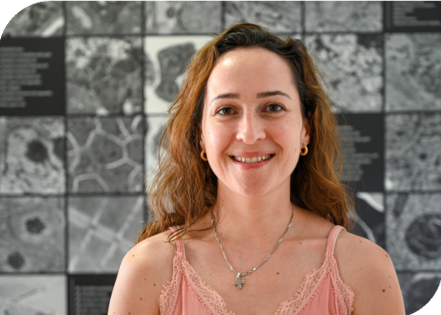
Rosa Direito

@imed.ulisboa.pt

Laboratory of Systems Integration Pharmacology, Clinical & Regulatory Science
Research Institute for Medicines, Faculty of Pharmacy, Universidade de Lisboa

Rosa Direito
Rosa Direito earned her PhD in Pharmacy (Food Science), having been awarded a fellowship by the Dean of the University of Lisbon. She has a background in experimental models of disease, mainly on animal models of acute and chronic inflammation (ulcerative colitis, rheumatoid arthritis) and in vitro model of colon cancer, and how certain fruits, vegetables and herbs can have an impact on inflammatory processes. Her research interests span the crossroads of the brain-gut axis and how diet and the microbiome can have an impact on health. Over the years she has also mentored and collaborated with students from different degrees, is certified in the handling of laboratory animals, and is an instructor of a postgraduate course on laboratory animal sciences. After finishing her PhD, she has sought to contribute to science internationally by becoming an active certified reviewer and has joined the board of reviewers and editorial board of several scientific journals.

EDUCATION

Post-doctoral Fellow (2021-2022), IHMT, Lisboa, Portugal
Post-doctoral Fellow (2020), Instituto Gulbenkian Ciência (IGC), Oeiras, Portugal
PhD (2019) in Pharmacy (Food Science), University of Lisbon, Lisbon, Portugal
MSc (2009) in Biochemistry, University of Coimbra, Coimbra, Portugal
BSc (2005) in Biochemistry, University of Coimbra, Coimbra, Portugal

RESEARCH INTERESTS

Her research interests span the crossroads of the brain-gut axis and how diet and the microbiome can have an impact on health.
46

Scopus Publications

2032

Scholar Citations

23

Scholar h-index

35

Scholar i10-index

Scopus Publications

  • Artificial ovaries and the future of women's health: Shaping novel functions
    João Paulo Ruiz Lucio de Lima Parra, Rodrigo Paolo Flores Abuna, Maria Angélica Miglino, Letícia Bandiera Arantes, Lucas Fornari Laurindo, Luciana Lamarão Damous, Matheus Henrique Hermínio Garcia, Sandra Maria Barbalho, Flávio Vieira Meirelles, Rosa Direito, Edmund Chada Baracat
    Translational Research, 2026
    The advent of tissue engineering has revolutionized the development of organs and tissues, enabling the creation of three-dimensional structures that support cell proliferation and differentiation. This process, essential for organ transplantation, ensures biocompatibility, immunogenicity, and structural fidelity by preserving the extracellular matrix and its components, such as growth factors and signaling molecules. In the context of ovarian tissue engineering, the restoration of ovarian function presents a promising avenue for addressing conditions like ovarian insufficiency, which arises from hormonal, genetic, autoimmune factors, or treatments like chemotherapy. Current challenges in ovarian transplantation, including the need for revascularization, highlight the limitations of existing techniques such as oocyte preservation. Tissue engineering approaches, particularly ovarian recellularization through decellularization, show promise in restoring both reproductive and endocrine functions by mimicking the ovarian microenvironment. Emerging technologies, such as 3D printing and CRISPR/Cas9 gene editing, although facing their own limitations, offer complementary methods to enhance ovarian tissue engineering. This review examines the state of the art in artificial ovarian reconstruction, with a focus on restoring endocrine and reproductive functions, ultimately advancing women's health by developing bioengineered ovaries.
  • Development and Characterization of Mesembryanthemum crystallinum L. Extract-Loaded Phytosomes for Enhanced Delivery of Antioxidant Compounds
    Irina Fernandes, Ana Iglesias-Mejuto, João M. P. Coelho, Rosa Direito, Catarina P. Reis
    Life, 2026
    M. crystallinum is an edible halophytic succulent plant rich in phenolic compounds with potential pharmaceutical applications. However, it is known that these phytocompounds generally present low absorption, which hinders their direct use in formulations. Therefore, delivery systems, such as phytosomes, can be regarded as a potential strategy to overcome this disadvantage. This study aimed, for the first time, to prepare extracts from the ice plant using different solvents and to incorporate them into phytosomes. Physicochemical characterization of these phytosomes, their antioxidant activity, as well as the quantification and in vitro release profile of their phenolic and flavonoid compounds were studied. Different extraction solvents were assayed, and Ethanol:Acetone (80:20) achieved a strong antioxidant activity (reaching ca. 71.16%), extracting 3200.3 mg of GAE/100 g and 761.7 mg of QE/100 g of phenolic and flavonoid compounds, respectively. The phytosomal formulation exhibited a mean particle size of 233.80 nm, a polydispersity index of 0.23, and a zeta potential of −27.27 mV. Furthermore, a high encapsulation efficiency (96.63%) of the extracts in the phytosomes was obtained. The in vitro release test indicated that the antioxidant activity was retained, reaching a maximum of 42%, accompanied by a release of 51% of the flavonoid content at the end of the 3 h assay, under the experimental conditions. These findings highlight the potential of phytosomes formulated with Mesembryanthemum crystallinum extract as a delivery system for antioxidant phytochemicals.
  • Bridging the Gut Microbiota and the Brain, Kidney, and Cardiovascular Health: The Role of Probiotics
    Milena Rosa Lopes, Rosa Direito, Elen Landgraf Guiguer, Vitor Cavallari Strozze Catharin, Tereza Lais Menegucci Zutin, Claudio José Rubira, Virgínia Maria Cavallari Strozze Catharin, Kátia Portero Sloan, Lance Alan Sloan, José Luiz Yanaguizawa Junior, Lucas Fornari Laurindo, Sandra Maria Barbalho, Ricardo de Alvares Goulart
    Probiotics and Antimicrobial Proteins, 2026
    The symbiosis between intestinal bacteria and the human body’s physiological processes can modulate health. The intestinal microbiota is linked to the development of neurotrophic factors; therefore, it is increasingly related to the modulation of nervous system pathologies. Moreover, microbiota can interfere with inflammation and oxidative stress, which are closely linked to cardiovascular risk factors and several other inflammatory conditions, such as kidney and neurodegenerative diseases. Probiotics are live microorganisms that help regulate and maintain healthy microbiota; thus, they can help prevent these diseases. Due to these reasons, this review aimed to evaluate the effects of probiotics on the gut, kidneys, brain, and heart homeostasis. Clinical trials showed several positive results with the treatment. In the brain, probiotics reduce depressive symptoms (decreases in HAMA, GAD-7, and BDI-II scales), improving patients’ sleep quality and fatigue, enhancing cognitive subscales while slowing brain atrophy, and reducing IL-6 levels in the central areas, also modulating REM delta power to reduce high-frequency brain waves. Probiotics can also reduce cardiovascular risk factors, such as inflammation. Probiotics can also benefit the heart by decreasing TMAO, LDL-c, TG, CRP, MDA, TNF-α, IL-6, and urea levels, improving dyslipidemia and toxin profiles. Probiotics also increase HDL-c, ApoE, and insulin sensitivity, decreasing BMI, body fat, and the risk of developing chronic hyperglycemia while increasing lean mass. Besides, probiotic supplementation helped reduce toxic uremic toxins (serum urea) and sodium levels, bringing benefits to the kidneys, and improve energy/amino acid metabolism. Probiotics can also modulate and enhance kidney function due to decreased pro-inflammatory TGFβ-1 and TNF-α levels and RUNX2. Furthermore, enhanced gastrointestinal motility and diversity have been reported using specific bacteria. Although probiotics can bring several health benefits, there are still challenges regarding these supplements, such as dose, frequency, and pharmaceutical formula. Therefore, new studies are welcome to deepen the understanding of these microorganisms.
  • Oral Salvia officinalis phenolics abolish mortality and mitigate inflammation in acute TNBS murine colitis
    Rosa Direito, João Rocha, Inês Alves de Melo, Margarida Gonçalves, Maria Paula Duarte, Adelaide Fernandes, Bruno Sepodes, Maria-Eduardo Figueira
    Fitoterapia, 2025
  • Catalpol: An Iridoid Glycoside With Potential in Combating Cancer Development and Progression—A Comprehensive Review
    Lucas Fornari Laurindo, Victória Dogani Rodrigues, Elen Landgraf Guiguer, Lívia Fornari Laurindo, Debora Aparecida Pires de Campos Zuccari, Claudia Rucco Penteado Detregiachi, Adriano Cressoni Araújo, Jéssica da Silva Camarinha Oliveira, Durvanei Augusto Maria, Jefferson Aparecido Dias, Rose Eli Grassi Rici, Caroline Barbalho Lamas, Rosa Direito, Sandra Maria Barbalho
    Phytotherapy Research, 2025
    Catalpol, a natural iridoid glycoside known for its anti‐proliferative effects, has been proposed as an anticancer compound. Catalpol targets critical processes involved in cancer cell progression, like malignant proliferation, apoptosis, and metastasis. Additionally, catalpol presents potent anti‐inflammatory and antioxidant properties crucial for cancer prevention and intervention. Due to the absence of clinical trials, this review investigates twelve studies, encompassing in vitro and animal trials from reputable databases, such as PubMed, with no time restrictions. Therefore, we covered evidence from catalpol's effects against several types of cancer, including breast, liver, colorectal, lung, gastric, bladder, and ovarian cancer, as well as osteosarcoma, and assessed various outcomes related to cell viability, apoptosis, migration, and modulation of molecular mechanisms by catalpol. Notably, catalpol induced cancer cell death via induction of mitochondrial apoptosis pathways, regulation of the expression of specific microRNAs, modulation of Sirt1, Kras, RACK1, PARP, PI3K/Akt, Bcl‐2, and STAT3/JAK2/Src signaling pathways, and inactivation of NF‐kB and Smad 2/3 signaling pathways. Furthermore, catalpol limits cancer metastasis due to modulation of critical metalloproteinases associated with cancer migration. Catalpol also synergizes with chemotherapeutic and adjuvant agents to induce cancer control, including regorafenib in liver cancer and chloroquine in gastric cancer, promoting increased anticancer action via upregulated cancer cell apoptosis, decreased proliferation, and inhibited angiogenesis via PI3K/p‐Akt/mTOR/NF‐κB, VEGF/VEGFR2, and Bax signaling pathways modulation. Catalpol derivatives also gained attention. Pyrazole‐, imidazole‐, and hydrolyzed‐based catalpol derivatives increase cancer cell apoptosis and death and decrease tumor angiogenesis through similar pathways. This review seeks to provide understanding of catalpol's anticancer effects, its mechanisms of action, and its potential as a therapeutic anticancer agent while advocating for future research conductance.
  • Advances in Understanding Long COVID: Pathophysiological Mechanisms and the Role of Omics Technologies in Biomarker Identification
    Mônica Duarte da Silva, Thamires Santos da Silva, Claudemir Gregório Mendes, Maria Carolina Miglino Valbão, Abraham Kwame Badu-Tawiah, Lucas Fornari Laurindo, Sandra Maria Barbalho, Rosa Direito, Maria Angélica Miglino
    Molecular Diagnosis and Therapy, 2025
    Long coronavirus disease (COVID) is a multisystem condition that affects a significant proportion of individuals following severe acute respiratory syndrome coronavirus 2 (SARS-CoV-2) infection, with persistent symptoms ranging from fatigue and cognitive dysfunction to cardiovascular disorders. It is estimated that 30-60% of infected individuals experience symptoms lasting more than 12 weeks. Despite advances in understanding acute infection, the pathophysiological mechanisms underlying long COVID remain unclear. Current hypotheses suggest that viral persistence, immune dysfunction, and metabolic alterations play central roles. Omics approaches, including metabolomics, proteomics, and lipidomics, have played a crucial role in investigating molecular changes, identifying biomarkers, and refining therapeutic strategies. This review discusses recent advances in understanding long COVID, addressing its mechanisms, risk factors, the impact of viral variants, and the role of vaccination, with an emphasis on the importance of omics technologies in elucidating this condition.
  • AdipoRon as a Novel Therapeutic Agent for Depression: A Comprehensive Review of Preclinical Evidence
    Lucas Fornari Laurindo, Victória Dogani Rodrigues, Rodrigo Haber Mellen, Rafael Santos de Argollo Haber, Vitor Engrácia Valenti, Lívia Fornari Laurindo, Eduardo Federighi Baisi Chagas, Camila Marcondes de Oliveira, Rosa Direito, Maria Angélica Miglino, Sandra Maria Barbalho
    Biomedicines, 2025
    Background/Objectives: Depression is a mood disorder that causes persistent sadness and loss of interest, and its etiology involves a condition known as hypoadiponectinemia, which is prevalent in depressive individuals compared with healthy individuals and causes neuroinflammation. The use of intact adiponectin protein to target neuroinflammation in depressive moods is complex due to the difficulties associated with using the intact protein. AdipoRon, a synthetic oral adiponectin receptor agonist that targets the AdipoR1 and AdipoR2 receptors for adiponectin, has emerged in this context. Its most prominent effects include reduced inflammation and the attenuation of oxidative stress. To the best of our knowledge, no comprehensive review has addressed these results so far. To fill this literature gap, we present a comprehensive review examining the effectiveness of AdipoRon in treating depression. Methods: Only preclinical models are included due to the absence of clinical studies. Results: Analyzing the included studies shows that AdipoRon demonstrates contrasting effects against depression. However, most of the evidence underscores AdipoRon-based adiponectin replacement therapies as potential candidates for future treatment against this critical psychiatric condition due to their anti-neuroinflammatory potential, ultimately inhibiting several neuroinflammatory pathways. Conclusions: Future research endeavors must address several limitations due to the heterogeneity of the studies’ methodologies and results.
  • Targeting Muscle Regeneration with Small Extracellular Vesicles from Adipose Tissue-Derived Stem Cells—A Review
    Lucas Fornari Laurindo, Enzo Pereira de Lima, Adriano Cressoni Araújo, Victória Dogani Rodrigues, Jefferson Aparecido Dias, Marcos Barbosa Tavares Filho, Debora Aparecida Pires de Campos Zuccari, Lívia Fornari Laurindo, Maria Angélica Miglino, Eduardo Federighi Baisi Chagas, Claudemir Gregório Mendes, Rosa Direito, Vítor Engrácia Valenti, Sandra Maria Barbalho
    Cells, 2025
    Extracellular vesicles (EVs) are membrane-bound structures released by cells carrying diverse biomolecules involved in intercellular communication. Small EVs are abundant in body fluids, playing a key role in cell signaling. Their natural occurrence and therapeutic potential, especially in the context of muscular disorders, make them a significant area of research. Sarcopenia, characterized by progressive muscle fiber loss, represents a pathological state in which EVs could offer therapeutic benefits, reducing morbidity and mortality. Recent studies have proposed an interplay between adipose tissue (AT) and skeletal muscle regarding sarcopenia pathology. AT dysregulation, as seen in obesity, contributes to skeletal muscle loss in a multifactorial way. While AT-derived stem cell (ATDSC) small EVs have been implicated in musculoskeletal homeostasis, their precise action in muscle regeneration remains incompletely understood. In this context, ATDSC-derived small EVs can stimulate skeletal muscle regeneration through improved proliferation and migration of muscle cells, enhancement of muscular perfusion, improvement of tendon and nerve regeneration, stimulation of angiogenesis, and promotion of myogenic differentiation. However, they can also increase skeletal muscle loss. Notably, this is the first comprehensive review to systematically examine the role of ATDSC-derived small EVs in sarcopenia.
  • Unraveling the Metabolic Pathways Between Metabolic-Associated Fatty Liver Disease (MAFLD) and Sarcopenia
    Marina Ribas Losasso, Maria Luiza Cesto Parussolo, Antony Oliveira Silva, Rosa Direito, Karina Quesada, Claudia Rucco Penteado Detregiachi, Marcelo Dib Bechara, Nahum Méndez-Sánchez, Ludovico Abenavoli, Adriano Cressoni Araújo, Ricardo de Alvares Goulart, Elen Landgraf Guiger, Lucas Fornari Laurindo, Sandra Maria Barbalho
    International Journal of Molecular Sciences, 2025
    Metabolic-Associated Fatty Liver Disease (MAFLD) is a public health concern that is constantly expanding, with a fast-growing prevalence, and it affects about a quarter of the world’s population. This condition is a significant risk factor for cardiovascular, hepatic, and oncologic diseases, such as hypertension, hepatoma, and atherosclerosis. Sarcopenia was long considered to be an aging-related syndrome, but today, it is acknowledged to be secondarily related to chronic diseases such as metabolic syndrome, cardiovascular conditions, and liver diseases, among other comorbidities associated with insulin resistance and chronic inflammation, besides inactivity and poor nutrition. The physiopathology involving MAFLD and sarcopenia has still not been solved. Inflammation, oxidative stress, mitochondrial dysfunction, and insulin resistance seem to be some of the keys to this relationship since this hormone target is mainly the skeletal muscle. This review aimed to comprehensively discuss the main metabolic and physiological pathways involved in these conditions. MAFLD and sarcopenia are interconnected by a complex network of pathophysiological mechanisms, such as insulin resistance, skeletal muscle tissue production capacity, chronic inflammatory state, oxidative stress, and mitochondrial dysfunction, which are the main contributors to this relationship. In addition, in a clinical analysis, patients with sarcopenia and MAFLD manifest more severe hepatitis fibrosis when compared to patients with only MAFLD. These patients, with both disorders, also present clinical improvement in their MAFLD when treated for sarcopenia, reinforcing the association between them. Lifestyle changes accompanied by non-pharmacological interventions, such as dietary therapy and increased physical activity, undoubtedly improve this scenario.
  • Assessing Omega-3 Therapy and Its Cardiovascular Benefits: What About Icosapent Ethyl? A Systematic Review and Meta-Analysis
    Nathália Mendes Machado, Maria Vitória Barroso Oliveira, Karina Quesada, Jesselina Francisco dos Santos Haber, Ricardo José Tofano, Claudio José Rubira, Tereza Lais Menegucci Zutin, Rosa Direito, Eliana de Souza Bastos Mazuqueli Pereira, Camila Marcondes de Oliveira, Ricardo de Alvares Goulart, Vitor Engrácia Valenti, Kátia Portero Sloan, Lance Alan Sloan, Lucas Fornari Laurindo, Sandra Maria Barbalho
    Pharmaceuticals, 2025
    Background: Lipid-lowering therapies are an option for stabilizing lipid levels. Icosapent ethyl (IPE) is a highly purified formulation of eicosapentaenoic acid, which can reduce lipid action, improve plaque stabilization, reduce platelet aggregation, lower TG, and prevent cardiovascular events. IPE is frequently used with statins to manage elevated TG levels. However, the evidence on IPE as a lipid-lowering agent is limited, and no updated systematic review and meta-analysis have been published considering the recent advancements in the field and newly published studies. Therefore, we aim to fill this gap. Methods: We used the PRISMA guidelines and the PICO (Population, Intervention, Comparison, and Outcome) framework to conduct this review, aiming to answer the question, “Can IPE benefit patients at cardiovascular risk?” GRADE was used to evaluate evidence levels to adhere to the highest criteria. Results: Predominantly, the evaluated population presented TG levels between ≥135 mg/dL and 500 mg/dL and LDL-C levels between >40 mg/dL and ≤100 mg/dL. The included studies showed a reduction in TG and LDL-C and a decrease in cardiovascular events. It means that, according to our systematic review evidence analysis, IPE has been effective in lowering blood lipid levels, including TG, and reducing cardiovascular death and events, such as non-fatal stroke or hospitalization for unstable angina. However, it is worth noting that these results were primarily from patients undergoing statin therapy. According to our meta-analysis, IPE may not be considered a lipid-lowering drug, as limited action associated with its use was evident in the quantitative results. However, caution is necessary, as only two studies were suitable for inclusion due to the differing outcomes in the analyzed samples. Conclusions: Despite the quantitative synthesis, IPE possesses anti-inflammatory, anti-thrombotic, and anti-atherogenic properties, highly related to cardiovascular protection. Based on our included studies, IPE was considered a promising therapy for atherosclerotic cardiovascular disease in conjunction with other lipid-lowering therapies, particularly statins, for patients with extremely high TG levels. The limitations of the reviewed studies may include small sample sizes, varying outcomes, and a small duration of interventions. Future clinical trials with similar outcomes, sample sizes, and intervention durations must be designed, and updated meta-analyses must be published in the following years to fully assess the effects of IPE as a lipid-lowering and cardiovascular protector drug.
  • Polyphenols, Alkaloids, and Terpenoids Against Neurodegeneration: Evaluating the Neuroprotective Effects of Phytocompounds Through a Comprehensive Review of the Current Evidence
    Enzo Pereira de Lima, Lucas Fornari Laurindo, Vitor Cavallari Strozze Catharin, Rosa Direito, Masaru Tanaka, Iris Jasmin Santos German, Caroline Barbalho Lamas, Elen Landgraf Guiguer, Adriano Cressoni Araújo, Adriana Maria Ragassi Fiorini, Sandra Maria Barbalho
    Metabolites, 2025
  • Melatonin from Plants: Going Beyond Traditional Central Nervous System Targeting—A Comprehensive Review of Its Unusual Health Benefits
    Lucas Fornari Laurindo, Otávio Augusto Garcia Simili, Adriano Cressoni Araújo, Elen Landgraf Guiguer, Rosa Direito, Vitor Engrácia Valenti, Vitor de Oliveira, Juliana Santos de Oliveira, José Luiz Yanaguizawa Junior, Jefferson Aparecido Dias, Durvanei Augusto Maria, Rose Eli Grassi Rici, Manuela dos Santos Bueno, Kátia Portero Sloan, Lance Alan Sloan, Sandra Maria Barbalho
    Biology, 2025
  • Phytosomal delivery enhances bioactivity of Hylocereus costaricensis phenolic extract
    Rosa Direito, Inês Sousa, Filipa Antunes, Sandra Maria Barbalho, Sandra Simões, et al.
    Frontiers in Nutrition, 2025
  • Evaluating the effects of seed oils on lipid profile, inflammatory and oxidative markers, and glycemic control of diabetic and dyslipidemic patients: a systematic review of clinical studies
    Lucas Fornari Laurindo, Lívia Fornari Laurindo, Victória Dogani Rodrigues, Jéssica da Silva Camarinha Oliveira, Beatriz Leme Boaro, Adriano Cressoni Araújo, Elen Landgraf Guiguer, Claudia Rucco Penteado Detregiachi, Virgínia Maria Cavallari Strozze Catharin, Eduardo Federighi Baisi Chagas, Vitor Cavallari Strozze Catharin, Rosa Direito, Sandra Maria Barbalho
    Frontiers in Nutrition, 2025
  • Targeting AMPK with Irisin: Implications for metabolic disorders, cardiovascular health, and inflammatory conditions — A systematic review
    Lucas Fornari Laurindo, Victória Dogani Rodrigues, Lívia Fornari Laurindo, Luana Maria Amaral Cherain, Enzo Pereira de Lima, Beatriz Leme Boaro, Jéssica da Silva Camarinha Oliveira, Eduardo Federighi Baisi Chagas, Vitor Cavallari Strozze Catharin, Jesselina Francisco dos Santos Haber, Patrícia Cincotto dos Santos Bueno, Rosa Direito, Sandra Maria Barbalho
    Life Sciences, 2025
  • Isoorientin: Unveiling the hidden flavonoid's promise in combating cancer development and progression – A comprehensive review
    Lucas Fornari Laurindo, Karina Torres Pomini, Enzo Pereira de Lima, Lívia Fornari Laurindo, Victória Dogani Rodrigues, Jéssica da Silva Camarinha Oliveira, Adriano Cressoni Araújo, Elen Landgraf Guiguer, Rose Eli Grassi Rici, Durvanei Augusto Maria, Ricardo de Alvares Goulart, Rosa Direito, Sandra Maria Barbalho
    Life Sciences, 2025
  • Health benefits of acerola (Malpighia spp) and its by-products: A comprehensive review of nutrient-rich composition, pharmacological potential, and industrial applications
    Lucas Fornari Laurindo, Larissa Naomi Takeda, Nathalia Mendes Machado, Alda Maria Machado Bueno Otoboni, Ricardo de Alvares Goulart, Vitor Cavallari Strozze Catharin, Luís R. Silva, Sandra Maria Barbalho, Rosa Direito
    Food Bioscience, 2024
  • The therapeutic potential of bee venom-derived Apamin and Melittin conjugates in cancer treatment: A systematic review
    Lucas Fornari Laurindo, Enzo Pereira de Lima, Lívia Fornari Laurindo, Victória Dogani Rodrigues, Eduardo Federighi Baisi Chagas, Ricardo de Alvares Goulart, Adriano Cressoni Araújo, Elen Landgraf Guiguer, Karina Torres Pomini, Rose Eli Grassi Rici, Durvanei Augusto Maria, Rosa Direito, Sandra Maria Barbalho
    Pharmacological Research, 2024
  • Exploring Lectin Bioactivity and Total Phenolic Compounds in Kiwifruit (Actinidia deliciosa var. Hayward)
    Raquel Rodrigues, Maria Eduardo Figueira, Rosa Direito, Andreia Bento-Silva, Ricardo Boavida Ferreira, Ana Cristina Ribeiro
    Nutrients, 2024
  • Exploring the Impact of Catechins on Bone Metabolism: A Comprehensive Review of Current Research and Future Directions
    Iris Jasmin Santos German, Sandra Maria Barbalho, Jesus Carlos Andreo, Tereza Lais Menegucci Zutin, Lucas Fornari Laurindo, Victória Dogani Rodrigues, Adriano Cressoni Araújo, Elen Landgraf Guiguer, Rosa Direito, Karina Torres Pomini, André Luis Shinohara
    Metabolites, 2024
  • Metabolic-Associated Fatty Liver Disease: The Influence of Oxidative Stress, Inflammation, Mitochondrial Dysfunctions, and the Role of Polyphenols
    Raissa Bulaty Tauil, Paula Takano Golono, Enzo Pereira de Lima, Ricardo de Alvares Goulart, Elen Landgraf Guiguer, Marcelo Dib Bechara, Claudia C. T. Nicolau, José Luiz Yanaguizawa Junior, Adriana M. R. Fiorini, Nahum Méndez-Sánchez, Ludovico Abenavoli, Rosa Direito, Vitor Engrácia Valente, Lucas Fornari Laurindo, Sandra Maria Barbalho
    Pharmaceuticals, 2024
  • Ginkgo biloba: A Leaf of Hope in the Fight against Alzheimer’s Dementia: Clinical Trial Systematic Review
    Guilherme Lopes de Oliveira Pagotto, Livia Maria Oliveira dos Santos, Najwa Osman, Caroline Barbalho Lamas, Lucas Fornari Laurindo, Karina Torres Pomini, Leila M. Guissoni, Enzo Pereira de Lima, Ricardo de Alvares Goulart, Virginia M. C. Strozze Catharin, Rosa Direito, Masaru Tanaka, Sandra Maria Barbalho
    Antioxidants, 2024
  • Plant-Derived Bioactive Compounds: Exploring Neuroprotective, Metabolic, and Hepatoprotective Effects for Health Promotion and Disease Prevention
    Rosa Direito, Sandra Maria Barbalho, Bruno Sepodes, Maria Eduardo Figueira
    Pharmaceutics, 2024
  • Investigating the Neuroprotective and Cognitive-Enhancing Effects of Bacopa monnieri: A Systematic Review Focused on Inflammation, Oxidative Stress, Mitochondrial Dysfunction, and Apoptosis
    Luiz José Valotto Neto, Matheus Reverete de Araujo, Renato Cesar Moretti Junior, Nathalia Mendes Machado, Rakesh Kumar Joshi, Daiene dos Santos Buglio, Caroline Barbalho Lamas, Rosa Direito, Lucas Fornari Laurindo, Masaru Tanaka, Sandra Maria Barbalho
    Antioxidants, 2024
  • Grape Processing Waste: Effects on Inflammatory Bowel Disease and Colorectal Cancer
    Lucas Fornari Laurindo, Rosa Direito, Alda M. M. Bueno Otoboni, Ricardo Alvares Goulart, Karina Quesada, Sandra Maria Barbalho
    Food Reviews International, 2024
  • Rhodiola rosea L. Extract, a Known Adaptogen, Evaluated in Experimental Arthritis
    Frantisek Drafi, Katarina Bauerova, Martin Chrastina, Mohsen Taghdisiesfejír, João Rocha, Rosa Direito, Maria Eduardo Figueira, Bruno Sepodes, Silvester Ponist
    Molecules, 2023
  • Medicinal Plants, Phytochemicals and Regulation of the NLRP3 Inflammasome in Inflammatory Bowel Diseases: A Comprehensive Review
    Rosa Direito, Sandra Maria Barbalho, Maria Eduardo Figueira, Giulia Minniti, Gabriel Magno de Carvalho, Bárbara de Oliveira Zanuso, Ana Rita de Oliveira dos Santos, Natália de Góes Corrêa, Victória Dogani Rodrigues, Ricardo de Alvares Goulart, Elen Landgraf Guiguer, Adriano Cressoni Araújo, Henrique Bosso, Lucas Fornari Laurindo
    Metabolites, 2023
  • Curcumin-Based Nanomedicines in the Treatment of Inflammatory and Immunomodulated Diseases: An Evidence-Based Comprehensive Review
    Lucas Fornari Laurindo, Gabriel Magno de Carvalho, Bárbara de Oliveira Zanuso, Maria Eduardo Figueira, Rosa Direito, Ricardo de Alvares Goulart, Daiene Santos Buglio, Sandra Maria Barbalho
    Pharmaceutics, 2023
  • Anti-Inflammatory, Antioxidant, and Other Health Effects of Dragon Fruit and Potential Delivery Systems for Its Bioactive Compounds
    Daniela Franceschi Nishikito, Ana Claudia Abdalla Borges, LUCAS FORNARI LAURINDO, Alda M. M. Bueno Otoboni, R. Direito, R. Goulart, C. C. T. Nicolau, A. Fiorini, Renata Vargas Sinatora, S. Barbalho
    Pharmaceutics, 2023
  • Anthocyanins: Metabolic Digestion, Bioavailability, Therapeutic Effects, Current Pharmaceutical/Industrial Use, and Innovation Potential
    Huseyin Ayvaz, Turgut Cabaroglu, Asiye Akyildiz, Cigdem Uysal Pala, Riza Temizkan, Erdal Ağçam, Zayde Ayvaz, Alessandra Durazzo, Massimo Lucarini, Rosa Direito, Zoriţa Diaconeasa
    Antioxidants, 2023
  • Ginkgo biloba in the Aging Process: A Narrative Review
    Sandra Maria Barbalho, Rosa Direito, Lucas Fornari Laurindo, Ledyane Taynara Marton, Elen Landgraf Guiguer, Ricardo de Alvares Goulart, Ricardo José Tofano, Antonely C. A. Carvalho, Uri Adrian Prync Flato, Viviane Alessandra Capelluppi Tofano, Cláudia Rucco Penteado Detregiachi, Patrícia C. Santos Bueno, Raul S. J. Girio, Adriano Cressoni Araújo
    Antioxidants, 2022
  • Lupinus albus protein components inhibit MMP-2 and MMP-9 gelatinolytic activity in vitro and in vivo
    Joana Mota, Rosa Direito, João Rocha, João Fernandes, Bruno Sepodes, Maria Eduardo Figueira, Anabela Raymundo, Ana Lima, Ricardo Boavida Ferreira
    International Journal of Molecular Sciences, 2021
  • From diospyros kaki L. (persimmon) phytochemical profile and health impact to new product perspectives and waste valorization
    Rosa Direito, João Rocha, Bruno Sepodes, Maria Eduardo-Figueira
    Nutrients, 2021
  • Phenolic compounds impact on rheumatoid arthritis, inflammatory bowel disease and microbiota modulation
    Rosa Direito, João Rocha, Bruno Sepodes, Maria Eduardo-Figueira
    Pharmaceutics, 2021
  • Attenuation of colonic injury and inflammation by administration of a phenolic extract of summer savory (Satureja hortensis l.) in experimental inflammatory bowel disease in mice
    João Rocha, Raquel Leandro, Rosa Direito, Margarida Gonçalves, Maria Paula Duarte, Adelaide Fernandes, Bruno Sepodes, Maria-Eduardo Figueira
    Applied Sciences Switzerland, 2020
  • Anti-inflammatory Effects of Persimmon (Diospyros kaki L.) in Experimental Rodent Rheumatoid Arthritis
    Rosa Direito, João Rocha, Ana-Teresa Serra, Adelaide Fernandes, Marisa Freitas, Eduarda Fernandes, Rui Pinto, Rosário Bronze, Bruno Sepodes, Maria-Eduardo Figueira
    Journal of Dietary Supplements, 2020
  • Anti-inflammatory activity of grapefruit juice in an in vivo model of ulcerative colitis: Comparability studies of unprocessed and bioprocessed juices
    Carla Mendes, João Rocha, Rosa Direito, Adelaide Fernandes, Bruno Sepodes, Maria-Eduardo Figueira, Maria H. Ribeiro
    Journal of Functional Foods, 2019
  • Reduction of inflammation and colon injury by a Pennyroyal phenolic extract in experimental inflammatory bowel disease in mice
    João Rocha, Rosa Direito, Ana Lima, Joana Mota, Margarida Gonçalves, Maria Paula Duarte, João Solas, Bruno Felício Peniche, Adelaide Fernandes, Rui Pinto, Ricardo Boavida Ferreira, Bruno Sepodes, Maria-Eduardo Figueira
    Biomedicine and Pharmacotherapy, 2019
  • Phytosomes with persimmon (Diospyros kaki l.) extract: Preparation and preliminary demonstration of in vivo tolerability
    Rosa Direito, Catarina Reis, Luís Roque, Margarida Gonçalves, Ana Sanches-Silva, Maria Manuela Gaspar, Rui Pinto, João Rocha, Bruno Sepodes, Maria Rosário Bronze, Maria Eduardo Figueira
    Pharmaceutics, 2019
  • Combination of hyaluronic acid and PLGA particles as hybrid systems for viscosupplementation in osteoarthritis
    Ana Henriques Mota, Rosa Direito, Marta P. Carrasco, Patrícia Rijo, Lia Ascensão, Ana Silveira Viana, João Rocha, Maria Eduardo-Figueira, Maria João Rodrigues, Luísa Custódio, Nataliya Kuplennik, Alejandro Sosnik, António José Almeida, Maria Manuela Gaspar, Catarina Pinto Reis
    International Journal of Pharmaceutics, 2019
  • Anti-inflammatory effect of limonin from cyclodextrin (un)processed orange juices in in vivo acute inflammation and chronic rheumatoid arthritis models
    Susana A. Vieira da Silva, Ana Clemente, João Rocha, Rosa Direito, Helena Cabral Marques, Bruno Sepodes, Maria-Eduardo Figueira, Maria H. Ribeiro
    Journal of Functional Foods, 2018
  • Dyospiros kaki phenolics inhibit colitis and colon cancer cell proliferation, but not gelatinase activities
    Rosa Direito, Ana Lima, João Rocha, Ricardo Boavida Ferreira, Joana Mota, Patrícia Rebelo, Adelaide Fernandes, Rui Pinto, Paula Alves, Rosário Bronze, Bruno Sepodes, Maria-Eduardo Figueira
    Journal of Nutritional Biochemistry, 2017
  • Protective effects of a blueberry extract in acute inflammation and collagen-induced arthritis in the rat
    Maria-Eduardo Figueira, Mónica Oliveira, Rosa Direito, João Rocha, Paula Alves, Ana-Teresa Serra, Catarina Duarte, Rosário Bronze, Adelaide Fernandes, Dora Brites, Marisa Freitas, Eduarda Fernandes, Bruno Sepodes
    Biomedicine and Pharmacotherapy, 2016
  • Protective effects of hydroxytyrosol-supplemented refined olive oil in animal models of acute inflammation and rheumatoid arthritis
    S. Silva, B. Sepodes, J. Rocha, R. Direito, A. Fernandes, D. Brites, M. Freitas, E. Fernandes, M.R. Bronze, M.E. Figueira
    Journal of Nutritional Biochemistry, 2015
  • Chemical characterization of a red raspberry fruit extract and evaluation of its pharmacological effects in experimental models of acute inflammation and collagen-induced arthritis
    M. E. Figueira, M. B. Câmara, R. Direito, J. Rocha, A. T. Serra, C. M. M. Duarte, A. Fernandes, M. Freitas, E. Fernandes, M. C. Marques, M. R. Bronze, B. Sepodes
    Food and Function, 2014
  • Enantioselective assay for therapeutic drug monitoring of eslicarbazepine acetate: No interference with carbamazepine and its metabolites
    Gilberto Alves, Ana Fortuna, Joana Sousa, Rosa Direito, Anabela Almeida, Marília Rocha, Amílcar Falcão, Patrício Soares-da-Silva
    Therapeutic Drug Monitoring, 2010

RECENT SCHOLAR PUBLICATIONS

  • Development and Characterization of Mesembryanthemum crystallinum L. Extract-Loaded Phytosomes for Enhanced Delivery of Antioxidant Compounds
    I Fernandes, A Iglesias-Mejuto, JMP Coelho, R Direito, CP Reis
    Life 16 (4), 557 , 2026
    2026
  • Artificial ovaries and the future of women's health: Shaping novel functions
    JPRL de Lima, RPF Abuna, MA Miglino, LB Arantes, LF Laurindo, ...
    Translational Research , 2026
    2026
  • Catalpol: An Iridoid Glycoside With Potential in Combating Cancer Development and Progression—A Comprehensive Review
    LF Laurindo, VD Rodrigues, EL Guiguer, LF Laurindo, ...
    Phytotherapy Research 39 (10), 4950-4971 , 2025
    2025
    Citations: 5
  • Oral Salvia officinalis phenolics abolish mortality and mitigate inflammation in acute TNBS murine colitis
    R Direito, J Rocha, IA de Melo, M Gonçalves, MP Duarte, A Fernandes, ...
    Fitoterapia, 106870 , 2025
    2025
    Citations: 1
  • Bridging the gut microbiota and the brain, kidney, and cardiovascular health: The role of probiotics
    MR Lopes, R Direito, EL Guiguer, VCS Catharin, TLM Zutin, CJ Rubira, ...
    Probiotics and Antimicrobial Proteins, 1-25 , 2025
    2025
    Citations: 3
  • Advances in Understanding Long COVID: Pathophysiological Mechanisms and the Role of Omics Technologies in Biomarker Identification: MD da Silva et al.
    MD da Silva, TS da Silva, CG Mendes, MCM Valbão, AK Badu-Tawiah, ...
    Molecular Diagnosis & Therapy 29 (5), 617-636 , 2025
    2025
    Citations: 7
  • Phytosomal delivery enhances bioactivity of Hylocereus costaricensis phenolic extract
    R Direito, I Sousa, F Antunes, SM Barbalho, S Simões, MR Bronze, ...
    Frontiers in Nutrition 12, 1659572 , 2025
    2025
    Citations: 3
  • AdipoRon as a novel therapeutic agent for depression: a comprehensive review of preclinical evidence
    LF Laurindo, V Dogani Rodrigues, R Haber Mellen, RSA Haber, ...
    Biomedicines 13 (8), 1867 , 2025
    2025
    Citations: 4
  • Unraveling the metabolic pathways between metabolic-associated fatty liver disease (MAFLD) and sarcopenia
    MR Losasso, MLC Parussolo, A Oliveira Silva, R Direito, K Quesada, ...
    International journal of molecular sciences 26 (10), 4673 , 2025
    2025
    Citations: 15
  • Targeting Muscle Regeneration with Small Extracellular Vesicles from Adipose Tissue-Derived Stem Cells—A Review
    LF Laurindo, EP Lima, AC Araujo, V Dogani Rodrigues, JA Dias, ...
    Cells 14 (10), 683 , 2025
    2025
    Citations: 5
  • Assessing omega-3 therapy and its cardiovascular benefits: What about icosapent ethyl? A systematic review and meta-analysis
    NM Machado, MVB Oliveira, K Quesada, JFS Haber, R José Tofano, ...
    Pharmaceuticals 18 (4), 601 , 2025
    2025
    Citations: 5
  • Polyphenols, alkaloids, and terpenoids against neurodegeneration: evaluating the neuroprotective effects of phytocompounds through a comprehensive review of the current evidence
    EP de Lima, LF Laurindo, VCS Catharin, R Direito, M Tanaka, ...
    Metabolites 15 (2), 124 , 2025
    2025
    Citations: 85
  • Evaluating the effects of seed oils on lipid profile, inflammatory and oxidative markers, and glycemic control of diabetic and dyslipidemic patients: a systematic review of …
    L Fornari Laurindo, L Fornari Laurindo, V Dogani Rodrigues, ...
    Frontiers in Nutrition 12, 1502815 , 2025
    2025
    Citations: 9
  • Melatonin from plants: going beyond traditional central nervous system targeting—a comprehensive review of its unusual health benefits
    LF Laurindo, OAG Simili, AC Araújo, EL Guiguer, R Direito, VE Valenti, ...
    Biology 14 (2), 143 , 2025
    2025
    Citations: 5
  • EVALUATING THE EFFECTS OF SEED OILS ON LIPID PROFILE, INFLAMMATORY AND OXIDATIVE MARKERS, AND GLYCEMIC CONTROL OF DIABETIC AND DYSLIPIDEMIC PATIENTS: A SYSTEMATIC REVIEW OF …
    LL FORNARI, RV DOGANI, COJ DA SILVA, BB LEME, AA CRESSONI, ...
    FRONTIERS 12 , 2025
    2025
  • Yanaguizawa Junior, JL; Dias, JA; et al
    LF Laurindo, OAG Simili, AC Araújo, EL Guiguer, R Direito, VE Valenti, ...
    Melatonin from Plants: Going Beyond Traditional Central Nervous System … , 2025
    2025
    Citations: 4
  • Isoorientin: Unveiling the hidden flavonoid's promise in combating cancer development and progression–A comprehensive review
    LF Laurindo, KT Pomini, EP de Lima, LF Laurindo, VD Rodrigues, ...
    Life sciences 360, 123280 , 2025
    2025
    Citations: 15
  • Targeting AMPK with Irisin: Implications for metabolic disorders, cardiovascular health, and inflammatory conditions—A systematic review
    LF Laurindo, VD Rodrigues, LF Laurindo, LMA Cherain, EP de Lima, ...
    Life Sciences 360, 123230 , 2025
    2025
    Citations: 23
  • Health benefits of acerola (Malpighia spp) and its by-products: A comprehensive review of nutrient-rich composition, pharmacological potential, and industrial applications
    LF Laurindo, LN Takeda, NM Machado, AMMB Otoboni, ...
    Food Bioscience 62, 105422 , 2024
    2024
    Citations: 10
  • The therapeutic potential of bee venom-derived Apamin and Melittin conjugates in cancer treatment: A systematic review
    LF Laurindo, EP de Lima, LF Laurindo, VD Rodrigues, EFB Chagas, ...
    Pharmacological research 209, 107430 , 2024
    2024
    Citations: 31

MOST CITED SCHOLAR PUBLICATIONS

  • Anthocyanins: Metabolic digestion, bioavailability, therapeutic effects, current pharmaceutical/industrial use, and innovation potential
    H Ayvaz, T Cabaroglu, A Akyildiz, CU Pala, R Temizkan, E Ağçam, ...
    Antioxidants 12 (1), 48 , 2022
    2022
    Citations: 184
  • Anti-inflammatory, antioxidant, and other health effects of dragon fruit and potential delivery systems for its bioactive compounds
    DF Nishikito, ACA Borges, LF Laurindo, AMMB Otoboni, R Direito, ...
    Pharmaceutics 15 (1), 159 , 2023
    2023
    Citations: 156
  • Ginkgo biloba in the Aging Process: A Narrative Review
    SM Barbalho, R Direito, LF Laurindo, LT Marton, EL Guiguer, RA Goulart, ...
    Antioxidants 11 (3), 525 , 2022
    2022
    Citations: 128
  • Investigating the Neuroprotective and Cognitive-Enhancing Effects of Bacopa monnieri : A Systematic Review Focused on Inflammation, Oxidative Stress …
    LJ Valotto Neto, M Reverete de Araujo, RC Moretti Junior, ...
    Antioxidants 13 (4), 393 , 2024
    2024
    Citations: 117
  • Protective effects of hydroxytyrosol-supplemented refined olive oil in animal models of acute inflammation and rheumatoid arthritis
    S Silva, B Sepodes, J Rocha, R Direito, A Fernandes, D Brites, M Freitas, ...
    The Journal of nutritional biochemistry 26 (4), 360-368 , 2015
    2015
    Citations: 113
  • Curcumin-based nanomedicines in the treatment of inflammatory and immunomodulated diseases: an evidence-based comprehensive review
    LF Laurindo, GM de Carvalho, B de Oliveira Zanuso, ME Figueira, ...
    Pharmaceutics 15 (1), 229 , 2023
    2023
    Citations: 112
  • Investigating the neuroprotective and cognitive-enhancing effects of Bacopa monnieri: a systematic review focused on inflammation, oxidative stress, mitochondrial dysfunction …
    LJV Neto, MR de Araujo, RCM Junior, NM Machado, RK Joshi, ...
    Antioxidants 13 (4), 393 , 2024
    2024
    Citations: 99
  • Polyphenols, alkaloids, and terpenoids against neurodegeneration: evaluating the neuroprotective effects of phytocompounds through a comprehensive review of the current evidence
    EP de Lima, LF Laurindo, VCS Catharin, R Direito, M Tanaka, ...
    Metabolites 15 (2), 124 , 2025
    2025
    Citations: 85
  • Phenolic compounds impact on rheumatoid arthritis, inflammatory bowel disease and microbiota modulation
    R Direito, J Rocha, B Sepodes, M Eduardo-Figueira
    Pharmaceutics 13 (2), 145 , 2021
    2021
    Citations: 76
  • From Diospyros kaki L. (Persimmon) Phytochemical Profile and Health Impact to New Product Perspectives and Waste Valorization
    R Direito, J Rocha, B Sepodes, M Eduardo-Figueira
    Nutrients 13 (9), 3283 , 2021
    2021
    Citations: 75
  • Phytosomes with Persimmon ( Diospyros kaki L.) Extract: Preparation and Preliminary Demonstration of In Vivo Tolerability
    R Direito, C Reis, L Roque, M Gonçalves, A Sanches-Silva, MM Gaspar, ...
    Pharmaceutics 11 (6), 296 , 2019
    2019
    Citations: 75
  • Ginkgo biloba : A Leaf of Hope in the Fight against Alzheimer’s Dementia: Clinical Trial Systematic Review
    GLO Pagotto, LMO Santos, N Osman, CB Lamas, LF Laurindo, KT Pomini, ...
    Antioxidants 13 (6), 651 , 2024
    2024
    Citations: 69
  • Chemical characterization of a red raspberry fruit extract and evaluation of its pharmacological effects in experimental models of acute inflammation and collagen-induced arthritis
    ME Figueira, MB Câmara, R Direito, J Rocha, AT Serra, CMM Duarte, ...
    Food & function 5 (12), 3241-3251 , 2014
    2014
    Citations: 66
  • Metabolic-associated fatty liver disease: the influence of oxidative stress, inflammation, mitochondrial dysfunctions, and the role of polyphenols
    RB Tauil, PT Golono, EP de Lima, R de Alvares Goulart, EL Guiguer, ...
    Pharmaceuticals 17 (10), 1354 , 2024
    2024
    Citations: 61
  • Protective effects of a blueberry extract in acute inflammation and collagen-induced arthritis in the rat
    ME Figueira, M Oliveira, R Direito, J Rocha, P Alves, AT Serra, C Duarte, ...
    Biomedicine & Pharmacotherapy 83, 1191-1202 , 2016
    2016
    Citations: 59
  • Dyospiros kaki phenolics inhibit colitis and colon cancer cell proliferation, but not gelatinase activities
    R Direito, A Lima, J Rocha, RB Ferreira, J Mota, P Rebelo, A Fernandes, ...
    The Journal of Nutritional Biochemistry 46, 100-108 , 2017
    2017
    Citations: 58
  • Combination of hyaluronic acid and PLGA particles as hybrid systems for viscosupplementation in osteoarthritis
    AH Mota, R Direito, MP Carrasco, P Rijo, L Ascensão, AS Viana, J Rocha, ...
    International journal of pharmaceutics 559, 13-22 , 2019
    2019
    Citations: 49
  • Plant-derived bioactive compounds: exploring neuroprotective, metabolic, and hepatoprotective effects for health promotion and disease prevention
    R Direito, SM Barbalho, B Sepodes, ME Figueira
    Pharmaceutics 16 (5), 577 , 2024
    2024
    Citations: 35
  • Anti-inflammatory Effects of Persimmon ( Diospyros kaki L.) in Experimental Rodent Rheumatoid Arthritis
    R Direito, J Rocha, AT Serra, A Fernandes, M Freitas, E Fernandes, ...
    Journal of dietary supplements 17 (6), 663-683 , 2020
    2020
    Citations: 34
  • Medicinal plants, phytochemicals and regulation of the NLRP3 inflammasome in inflammatory bowel diseases: a comprehensive review
    R Direito, SM Barbalho, ME Figueira, G Minniti, GM de Carvalho, ...
    Metabolites 13 (6), 728 , 2023
    2023
    Citations: 33