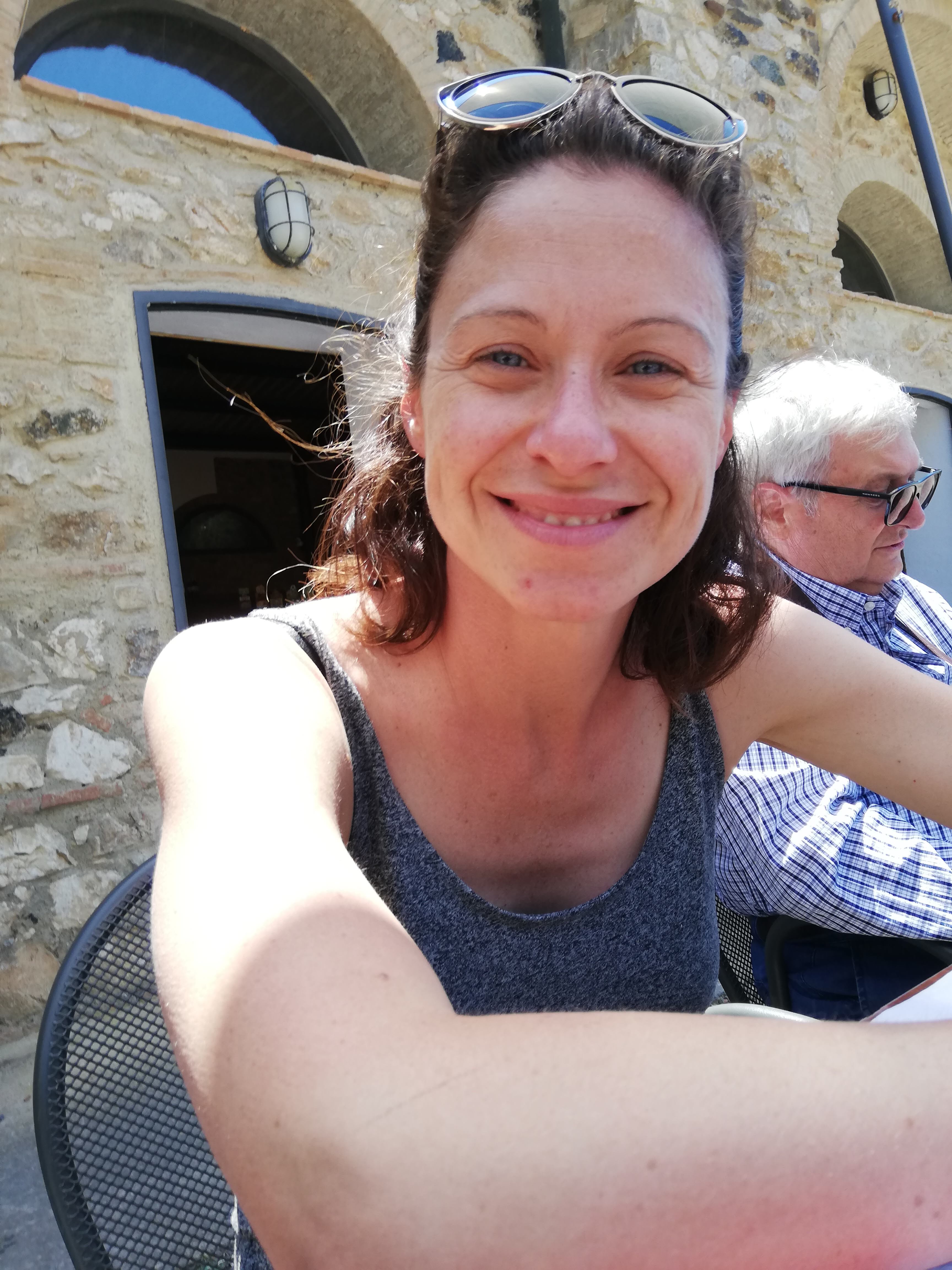
Elena Pasini

@isnb.it

UOC of Neurology
IRCCS Istituto delle Scienze Neurologiche di Bologna

- 01/06/2020-Today: Neurologist at Bellaria Hospital, UOC of Neurology, IRCCS of Neurological Sciences of Bologna
- 06/11/2017-31/05/2020: Neurologist at Maggiore Hospital, UOC of Neurology, IRCCS of Neurological Sciences of Bologna
- 14/03/2016-05/11/2017: Research project on “Clinical evaluation and therapeutic treatment of serious neurological diseases that need management in ICU through multiparametric and neurophysiological monitoring” at Bellaria Hospital, IRCCS of Neurological Sciences of Bologna
- 08/24/2009-05/14/2010: fellowship in PERNO project (Progetto Emiliano-Romagnolo in Neuro-Oncologia-Sottoprogetto Epilessia tumorale) at the Neurological Department of Bellaria Hospital (referent Dr. Michelucci)
- In 2008-2009 partecipation to two randomized clinical trials on new epileptic drugs at the Neurological Department of Bellaria Hospital (referent Dr. Michelucci)

EDUCATION

- Scientific-technological diploma in 2002 (vote 100/100)
- Nine months spent at the Pasteur University of Strasbourg, France, during university
- Undergraduate Introduction to Management Program, BU Global, Boston University (07-08/2007)
- Graduated in Medicine and Surgery at the “Alma Mater Studiorum University of Bologna” on May 12, 2008 with 110/110 and Praise. Title of thesis: “amyotrophic lateral sclerosis: genotype-phenotype correlation in patients with SOD1 gene mutation and etiopathogenic hypothesis. Supervisor: Prof. Carlo Alberto Tassinari.
- From the 24th March 2009 entered in the order of Bologna physicians
- 05/17/2010-01/02/2016 Neurological Fellowship at Bologna University (headmaster Prof. Paolo Tinuper).
- 25/2/2012-06/04/2012 “EFNS Department to Department Program” at the “National Hospital of Neurology and Neurosurgery-Department of Neurology, Queen Square, London” (Prof. Simon Shorvon)

RESEARCH INTERESTS

Epilepsy
EEG
Stereo-EEG
ICU-monitoring

FUTURE PROJECTS

Stereo-EEG

During 2022-2025 we expect to begin the stereo-electroencephalography study of the patient affected by cryptogenic focal pharmacoresistant epilepsy. All this project will be possible thanks to the collaboration with the collegues of Niguarda Hospital of Milan. Project financed by the Emilia-Romagna Region


Applications Invited

Neuro-critical care unit monitoring

During the last years we improve our experience in the field of the long term monitorig EEG and therapy of refractory and super refractory status epilepticus. At the same time we pursuit an important project of multidisciplinary evaluation of the long term prognosis in patients with severe brain injuries


Applications Invited

Lafora Disease

Clinical and electrophysiological characterization of Lafora affected patients


Applications Invited
80

Scopus Publications

1923

Scholar Citations

25

Scholar h-index

39

Scholar i10-index

Scopus Publications

  • Integration of intraoperative ultrasound and depth-electrode electrocorticography for resection guidance in epilepsy surgery: technical workflow and feasibility
    Luca Zanuttini, Elena Pasini, Lorenzo Ferri, Lidia Di Vito, Anna Scarabello, Francesca Bisulli, Matteo Martinoni
    Acta Neurochirurgica, 2026
    Background Complete resection of the epileptogenic zone (EZ) is the strongest predictor of seizure freedom in drug-resistant epilepsy (DRE). However, even in MRI-positive cases with anatomo-electro-clinical concordance, the EZ may not be clearly delineated, complicating intraoperative decision-making. Intraoperative ultrasound (ioUS) provides real-time anatomical feedback, while depth-electrode intraoperative electrocorticography (iECoG) enables electrophysiological delineation of epileptogenic tissue beyond the cortical surface, sampling deep regions not accessible to subdural electrodes. Their integration may improve intraoperative precision in defining resection limits and optimizing resective surgery. Methods This study describes the workflow and feasibility of combining ioUS and depth-electrode iECoG for intraoperative guidance in MRI-positive focal DRE with an ill-defined EZ. In all cases, concordant anatomo-electro-clinical data identified a single EZ for which SEEG was not required, yet the suspected EZ remained poorly delineated. ioUS was used for real-time lesion visualization, verification of electrode trajectories, and guidance of resection depth and extent. Pre- and post-resective depth-electrode iECoG and ioUS were used in combination to delineate the resection margins, by identifying interictal epileptiform discharges (IEDs) and confirming lesion boundaries and resection completeness. Results Six patients underwent resective surgery using the combined ioUS–iECoG workflow. The technique was feasible and safe in all cases, with no intraoperative or postoperative complications (37 depth-electrode insertions). iECoG revealed IEDs in four patients (66%), prompting resection extension in two. MRI confirmed complete resection in all cases. At last follow-up (6–40 months), 5/6 patients were seizure-free (Engel I). Histopathology revealed FCD IIb in three cases, a gliotic lesion related to an encephalocele in one, a gliotic scar post–arachnoid cyst marsupialization in another, and a tuberous sclerosis–related lesion in a case of tuberous-sclerosis-complex. Conclusion The integration of ioUS and depth-electrode iECoG offers real-time anatomical and electrophysiological data, refining EZ delineation and resection assessment in complex MRI-positive epilepsy cases where SEEG is not clinically indicated.
  • Accuracy of MRI compared with DSA for vascular mapping in SEEG trajectory planning
    Francesca Vari, Luca Zanuttini, Elena Pasini, Lorenzo Ferri, Lidia di Vito, Francesca Bisulli, Massimo Dall’Olio, Caterina Tonon, Raffaele Lodi, Matteo Martinoni, Luigi Cirillo
    Journal of Clinical Neuroscience, 2026
  • Exploring pathways leading to drug-resistant epilepsy for patients with cryptogenic new onset refractory status epilepticus
    Aurélie Hanin, Clémence Marois, Martin Guillemaud, Mario Chavez, Léa Cosme, Zineb Hayatou, Aurore Besnard, Gwen Goudard, Véronique Masson, Louis Cousyn, Margaux Cheval, Jérôme A. Denis, Rana Alkouri, Foudil Lamari, Francesca Bisulli, Krista Eschbach, Raquel Farias‐Moeller, Nicolas Gaspard, Elizabeth E. Gerard, Giada Giovannini, Teneille Gofton, Margaret T. Gopaul, Marissa Kellogg, Stefano Meletti, Lorenzo Muccioli, Elena Pasini, Olga Taraschenko, Nathan Torcida, Mark S. Wainwright, Ji Yeoun Yoo, Nora Wong, Dominique Bonnefont‐Rousselot, Sophie Demeret, Lawrence J. Hirsch, Vincent Navarro
    Epilepsia, 2026
    Objective Cryptogenic new onset refractory status epilepticus (cNORSE) carries high risks of long‐term disability and post‐NORSE epilepsy, but mechanisms remain unclear. We aimed to assess the predictive value of inflammatory and brain injury biomarkers and determine whether immune disturbances persist in the chronic phase. Methods We enrolled 93 cNORSE patients from the Pitié‐Salpêtrière Hospital and the Yale NORSE/FIRES biorepository (2013–2025). Serum and cerebrospinal fluid (CSF) samples were collected during status epilepticus (SE), with outcomes assessed 6–12 months after resolution. To investigate post‐cNORSE epilepsy, we compared 39 post‐cNORSE patients (25 with paired acute samples) to 40 patients with temporal lobe epilepsy due to hippocampal sclerosis (TLE‐HS) and 20 with chronic immune‐mediated encephalitis. Results During cNORSE, elevated innate cytokines (serum CXCL8, CCL2; CSF IL‐6, CXCL8, CCL2, MIP‐1α, G‐CSF) and brain injury biomarkers (serum and CSF neurofilament light chain [NfL], CSF neuron‐specific enolase) correlated with worse functional outcomes. Multivariate models demonstrated that adding serum NfL to cytokines improved poor outcome prediction (area under the curve = .75). In contrast, no acute biomarker predicted post‐cNORSE epilepsy, which was instead associated with prolonged SE, magnetic resonance imaging abnormalities, and the need for more intensive treatment. In paired analyses, most serum cytokines normalized during the chronic phase, particularly IL‐6, IL‐10, and IL‐1β, although new adaptive immune disturbances (IL‐17A, IL‐12p70, TNFα) appeared in 20% of patients. No chronic elevations of innate cytokines were observed in post‐cNORSE patients. Conversely, elevated age‐adjusted NfL levels were more frequent in post‐cNORSE epilepsy (64%) than encephalitis (45%) and TLE‐HS (20%), ( p < .001), with elevated NfL levels correlating with poor functional outcomes ( p = .019). Significance Innate immune activation is a hallmark of acute cNORSE but largely resolves in the chronic phase, arguing against persistent innate inflammation as the driver of post‐cNORSE epilepsy. In contrast, persistently elevated NfL levels suggest ongoing axonal injury, potentially contributing to poor outcomes. Integrating inflammatory and neuroaxonal injury biomarkers may improve risk stratification and guide long‐term management.
  • Extreme cryptogenic new onset refractory status epilepticus/febrile infection-related epilepsy syndrome: Evidence of profound neuroinflammation and neuronal injury
    Lorenzo Muccioli, Lorenzo Ferri, Lidia Di Vito, Elena Pasini, Barbara Mostacci, Carlo Alberto Castioni, Francesca Bisulli
    Epilepsia, 2026
    The data that support the findings of this study are available from the corresponding author upon reasonable request.
  • Predicting epilepsy after new onset refractory status epilepticus due to autoimmune encephalitis: The DAME score
    Simona Lattanzi, Sara Matricardi, Alberto Vogrig, Giada Pauletto, Margherita Nosadini, Stefano Sartori, Federico Massa, Luana Benedetti, Stefano Meletti, Francesca Bisulli, Elena Freri, Francesca Felicia Operto, Silvia Bozzetti, Sara Mariotto, Simone Beretta, Eleonora Rosati, Elisabetta Cesaroni, Carla Marini, Tiziana Granata, Flavio Villani, and
    Epilepsia, 2026
    Objective This study aimed to identify risk factors and develop a predictive scoring system for autoimmune‐associated epilepsy in subjects with autoimmune encephalitis presenting with new onset refractory status epilepticus (NORSE). Methods This retrospective, multicenter, cohort study included subjects who presented with NORSE at the onset of autoimmune encephalitis and had at least 24 months of follow‐up after immunotherapy. The outcome was the development of autoimmune‐associated epilepsy, defined as persistent seizures despite adequate immunotherapy and absence of active inflammation. Factors independently associated with the outcome were identified through a backward stepwise selection. Adjusted regression coefficients of each independent predictor were transformed to produce a points‐based risk‐scoring system. Results Seventy participants were included (median age = 24.2 years, 38.6% male). During a median follow‐up of 53 months, 54.3% of subjects developed autoimmune‐associated epilepsy. Status epilepticus duration ≥ 10 days (odds ratio [OR] = 31.14, 95% confidence interval [CI] = 2.12–456.87, p = .012), positivity for antibodies against surface antigens (OR = .12, 95% CI = .02–.85, p = .034), bitemporal magnetic resonance imaging (MRI) abnormalities suggestive of autoimmune encephalitis during acute stage (OR = 49.80, 95% CI = 2.95–841.77, p = .007), and interictal epileptiform discharges during electroencephalographic (EEG) follow‐up (OR = 71.32, 95% CI = 6.48–785.32, p < .001) were independently associated with the study outcome. The duration–antibodies–MRI–EEG (DAME) score was developed as an integer‐based scoring system predictive of autoimmune‐associated epilepsy. With an optimal cutoff of ≥3 points, it yielded a sensitivity of 86.8%, a specificity of 87.5%, and an overall accuracy of 87.1%. Significance The DAME score could serve as a user‐friendly score to predict the risk of autoimmune‐associated epilepsy in patients with NORSE due to autoimmune encephalitis.
  • Seizure Clusters: Current Concepts in Definition and Treatment
    Gemma Bassani, Elena Pasini, Barbara Mostacci, Lidia Di Vito, Lorenzo Ferri, Lorenzo Muccioli, Francesca Bisulli
    Journal of Clinical Medicine, 2026
    Seizure clusters (SCs) are an acute and transient increase in seizure frequency relative to an individual patient’s baseline and are associated with an increased risk of injury, morbidity, and potentially mortality if not promptly and adequately treated. Despite their clinical importance, the management of SCs remains highly heterogeneous, primarily due to the absence of a universally accepted definition, which is determined also by the wide variability in seizure semiology and baseline individual burden;, as well as by differences in care settings. Outpatient treatment relies largely on caregivers’ ability to recognize SCs and administer rescue medication, whereas inpatient management may also involve invasive routes of administration. We conducted a literature review identifying 32 original articles addressing the treatment of SCs. The analysis focused on definitions, efficacy outcomes, and adverse events across three clinical scenarios: outpatient, Emergency Department (EDs) and Epilepsy Monitoring Units. The results show that in the outpatient setting, the available evidence suggests that diazepam nasal spray (DZP-NS), midazolam nasal spray (MDZ-NS), and oral lorazepam (LZP) solution may demonstrate comparable efficacy and safety. However, comparisons are limited by heterogeneity in studies’ designs, patient populations and outcome definitions, as well as by the absence of head-to-head trials. Moreover, geographic differences in drug availability (e.g., USA vs. Europe) limit the development of universally applicable treatment protocols. Consequently, the off-label use of oral benzodiazepines, including clobazam, clonazepam, and lorazepam, remains common when oral therapy is feasible, despite limited evidence. The implementation of a patient-specific Acute Seizure Action Plan (ASAP) incorporating an individualized SC definition is recommended. In contrast, inpatient management shows greater consensus, largely reflecting first-line treatment paradigms for status epilepticus. These include prompt intravenous benzodiazepine administration, followed by the intravenous loading of antiseizure medications such as brivaracetam or lacosamide in cases of seizure recurrence. In ED settings, “empirical” definitions of SCs (i.e., more than three seizures within 24 h) may facilitate timely intervention.
  • CSF1R mutations in an Italian population of early-onset dementia: a case series
    Beatrice Pancaldi, Andrea Mastrangelo, Alessandro Zilioli, Edoardo Ruggeri, Veria Vacchiano, Elena Pasini, Gabriele Busi, Piero Parchi, Marco Spallazzi, Sabina Capellari
    Journal of Neurology, 2026
    The diagnostic approach to subjects with early-onset dementia (EOD) is often challenging due to the broader range of possible etiologies as compared to late-onset dementia cases. Pathogenic variants in CSF1R gene have been increasingly reported in subjects with EOD, mostly clinically mimicking behavioral variant of frontotemporal dementia (bvFTD). Here we screened for variants in CSF1R gene in a large cohort of dementia patients consecutively referred for genetic analysis to an Italian tertiary center between 2005 and 2024 ( n = 2163). Sequence of CSF1R gene was determined with next-generation sequencing through either a dedicated panel or whole-exome sequencing. Pathogenic variants or variants of uncertain significance with higher evidence of pathogenicity were found in four participants (one female); three of these were not previously reported. Clinical data were collected, including brain magnetic resonance imaging and neuropsychological assessment. Cerebrospinal fluid (CSF) levels of neurofilament light chain (NfL) protein were measured. A family history of dementia was present in one subject. Mean age at onset was 51.5. Seizures were the presenting symptom in two cases and later appeared in other two. Two subjects presented with behavioral disturbances, resembling early bvFTD. Neuropsychological assessment revealed executive and language impairment in most cases. Anterior-predominant atrophy, symmetric white-matter involvement, and serpentine calcifications were the most common imaging abnormalities. High CSF NfL levels were found in all cases, with two of them showing markedly elevated values. CSF1R-related disease should be considered in EOD subjects, especially those presenting with executive/language deficits, seizures, white matter involvement, and markedly elevated CSF NfL levels.
  • Anti-seizure prophylaxis in brain tumors: An Italian survey among epileptologists
    Elena Pasini, Giada Pauletto, Marta Maschio, Roberto Michelucci, and
    Epilepsia Open, 2026
    In order to elucidate any differences in the therapeutic approach in patients with epilepsy affected by cerebral tumors, we conducted a brief survey to Italian epileptologists (neurologists and neurosurgeons) affiliated with the Italian League Against Epilepsy (LICE). Epilepsy is the most common symptom associated with cerebral tumors, occurring in the 35%–75% of cases. The incidence is even higher in low-grade tumors, although it may also be influenced by tumor size, location and protein expression.1 According to ILAE guidelines, a diagnosis of epilepsy in the presence of a consistent cerebral lesion requires at least only a single ictal event in order to justify initiation of anti-seizure medication (ASM), whereas the prophylactic use of ASMs in seizure-naïve brain tumor is not recommended.2 Similarly, according to SNO (the Italian Neurohospitalist Society) and EANO (European Association of Neuro-Oncology) practice guidelines; there is no evidence to support the routine prescription of ASM in the perioperative or postoperative period.3 Finally, in recent years, many studies have focused on the hypothetical anti-epileptogenic effect of ASMs, although promising data have so far been limited to preclinical studies.4-6 In addition, available guidelines and literature revisions suggest the prescription of newer drugs in order to avoid interactions and reduce side effects.3 In the real-world clinical practice, however, adherence to these recommendations is often inconsistent. This may be due to variations in healthcare organization, institutional protocols, and individual prescribing habits. Our survey was a cross-sectional study targeting experienced epileptologists routinely involved in the management of tumor-related epilepsy. The aim was to identify the gap between current guidelines and real-world therapeutic approaches for patients with epilepsy and primary brain tumors in Italy. The survey consisted of six items (full text in Table 1). The first four were multiple-choice questions with closed responses, whereas the last two were open-ended. The survey data collection and analysis were performed using Microsoft Excel software. Only epileptologists belonging to a qualified center for the treatment of brain tumor patients were invited to participate. The survey was distributed in February 2023 with a span of 14 day window for completion. A total of 57 LICE members answered the survey (see the Figure 1 for a geographical representation of participating centers). The first question explored the attitude to introduce an ASM in High-Grade Gliomas (HGG) after a first seizure. Fifty-two epileptologists (91.2%) confirmed the attitude to introduce an ASM after the first seizure. Two (3.5%) preferred to wait for a second seizure, one (1.8%) decided on EEG results basis, and two (3.5%) chose not to initiate treatment at all. The second question explored the therapeutic attitude in HHG without seizures. Twenty-seven epileptologists (47.4%) reported not prescribing prophylactic therapy, 17 (29.8%) deferred the decision to the neurosurgeon, 8 (14%) introduced therapy during the perioperative period to prevent symptomatic postcraniotomy seizures and 5 (8.8%) prescribed long-term prophylaxic ASMs. The third question asked about ASM duration after a single seizure at HGG onset. Most responders (48, the 84.2%) favored long-term therapy, while 9 (15.8%) recommended withdrawal after the perioperative or radiotherapy phase. The fourth question concerned the diagnostic pathways of Low-Grade Gliomas (LGG)/Long-Term Epilepsy-Associated Tumors (LEAT). Forty respondents (70.2%) preferred a tailored surgery after appropriate diagnostic investigations or referred the patient to an epilepsy surgery center. Twelve (21.1%) decided upon a quick surgery without prior epileptological evaluation and 5 (8.8%) chose for the medical therapy until pharmacoresistance emerged. The final two questions explored preferred ASMs for HHG and LGG/LEAT patients. For HHG, first-line treatment was levetiracetam (43, 75.4%) followed by lacosamide (7, 12.3%) and valproate. Second-line choices were lacosamide (31, 54.4%), levetiracetam (9, 15.8%) and valproate (4, 7.0%). Third-line options included valproate (10, 17.5%), lacosamide (8, 14.0%) and perampanel (7, 12.3%). For LGG/LEAT, first-line treatment was levetiracetam (34, 59.6%), followed by lacosamide (10, 17.5%) and carbamazepine (7, 12.3%). Second-line choices were lacosamide (25, 43.9%), levetiracetam (19.3%) and carbamazepine (8, 14.0%). Third-line treatments were equally distributed among lacosamide (10, 17.5%), oxcarbazepine (9, 15.8%) and carbamazepine (7, 12.3%) (see Figure 2 for full details). This brief survey assessed the current therapeutic attitudes of Italian epileptologists regarding ASM management in patients with brain tumors. First, the results confirm the alignment of the epileptologists to ILAE and neuro-oncological guidelines for the treatment of the first seizure in the contest of brain tumors, reflecting awareness of the high risk of seizure recurrence. ASM initiation after a single seizure remains widely accepted among specialists. However, the management of seizure-naïve HGG remains controversial. Despite guideline recommendations against prophylactic treatment, nearly half of the responders seem to prefer ASM prophylaxis, at least temporarily, or defer the decision to the neurosurgeon. This tendency is likely driven by a desire to prevent early postoperative seizures, as suggested in studies of postcraniotomy seizures following traumatic brain injury.7 Regarding long-term prophylaxis, despite a lack of demonstrated benefit, this practice persists, likely due to the paucity of robust, well-designed trials and the historical use of older ASMs. Considering the high incidence of seizures in cerebral tumors (at the onset or during the course), as well as the ease of handling new drugs, prospective controlled trials are urgently needed to evaluate ASM prophylaxis, with attention to quality of life and healthcare costs. When a cerebral tumor presents with one or more seizures, the duration of therapy is debated, but most responders (85%) seem to favor long-term ASM therapy. Since tumors are an on-going developing pathology, one could opt for a lifelong therapy. Nevertheless, 15.8% of the interviewed declared that they withdraw therapy after the perioperative/radiotherapy phase, possibly viewing the seizures as acute symptomatic rather than indicative of chronic epilepsy. Concerning the therapeutic management of patients with LGG/LEATs, over 70% of the respondents favored tailored surgery aimed at both seizure control and histological diagnosis. Indeed, patients affected by LGG/LEATs show a high incidence of drug-resistant epilepsy despite a relatively low risk of oncological progression. For this reason, the epilepsy must be taken into account as the main problem for the patient's quality of life and deserves a specific neurosurgical approach, consisting of tailored surgery, sometimes preceded by a long-term video-EEG monitoring. In this study, the choice of an epilepsy surgery approach was probably influenced by the preponderance of epileptologists over neurosurgeons who answered the survey. This underscores the need for a national network to share case management and promote interdisciplinary decision-making. Concerning the pharmacological choices in these patients, levetiracetam and lacosamide emerged, as expected, as the most widely used drugs for prophylaxis in both HGG and LGG/LEATs. Their favorable pharmacokinetic and pharmacodynamic profiles—minimal drug interactions, good tolerability, and high efficacy—make them the preferred options. The third-line use of valproate in HGG likely reflects historical interest in its potential antitumor effects, while the inclusion of perampanel may relate to its potential modulation of glutamatergic neurotransmission.8 Despite the existence of several consensus statements and guidelines, this survey confirmed a significant variability in the therapeutic approach of these patients and further supports the need of prospective controlled trials to better define standardized treatment strategies. EP: conceptualization; formal analysis; data curation; writing original draft. MR: conceptualization; methodology; supervision; validation; visualization; review & editing. PG: conceptualization; methodology; supervision; review & editing. MM: conceptualization; review & editing. The authors have nothing to report. None of the authors has something to disclose. We confirm that we have read the Journal's position on issues involved in ethical publication and affirm that this report is consistent with those guidelines. Umberto Aguglia, Cinzia Costa, Giuseppe Didato, Vincenzo Esposito, Enrico Franceschi, Anna Teresa Giallonardo, Angela La Neve, Marta Maschio, Giada Pauletto, Flavio Villani, Paolo Vitali, Matteo Martinoni, Marta Piccioli. The data that support the findings of this study are available on request from the corresponding author. The data are not publicly available due to privacy or ethical restrictions.
  • New therapeutic strategies for Lafora disease: Evaluation of the safety, efficacy, pharmacokinetics and metabolomic profile of intravenous VAL-1221 treatment
    Lorenzo Muccioli, Maria Tappatà, Andrea Farolfi, Pankaj K. Singh, Elena Pasini, Serena Mazzone, Erika Esposito, Lorenzo Motta, Olivia M. D'Agati, Sofia Angeloni, Alice Caravelli, Chiara Cancellerini, Raffaella Minardi, Eleonora Pizzi, Valerio Carelli, Caterina Tonon, Jessica Fiori, Matthew S. Gentry, Luca Vignatelli, Roberto Michelucci, Francesca Bisulli
    Neurotherapeutics, 2026
    Lafora disease (LD) is a fatal progressive myoclonus epilepsy that affects previously healthy adolescents and lacks effective treatments. It is caused by pathogenic variants in EPM2A or NHLRC1, leading to the accumulation of polyglucosan in the brain and other tissues. This study is the first to evaluate the administration of a potentially disease-modifying drug - VAL-1221, a glycogen-degrading antibody-enzyme fusion - in LD patients through a 12-month compassionate use program. Five patients (aged 17-24 years; three females) with intermediate to advanced LD received VAL-1221 intravenous infusions (20 ​mg/kg every other week). Safety was monitored through treatment-emergent adverse events (TEAEs), whereas efficacy was assessed using clinical scales, EEG and neuroimaging. Drug concentration profile was studied via liquid chromatography-high resolution mass spectrometry (LC-HRMS) of plasma and cerebrospinal fluid (CSF), and metabolomics via gas chromatography-MS of CSF. Four patients completed the full treatment course: one discontinued after eight months following status epilepticus. VAL-1221 was well tolerated, with five mild infusion-related TEAEs (skin rash in one, hypotension in four). Efficacy measures showed continued disease progression across patients. LC-HRMS analysis revealed no detectable levels of VAL-1221 in CSF. CSF metabolic profiling revealed no difference between untreated and VAL-1221-treated samples. These findings demonstrate that intravenous VAL-1221 is safe but ineffective, providing an important negative result that prevents further patient exposure to this approach and redirects efforts toward direct central nervous system delivery methods. The study also demonstrates the feasibility of assessing disease progression using clinical and neuroimaging measures, providing a valuable framework for clinical trials in LD.
  • Clinical course and management challenges in Lafora disease: a narrative analysis in an Apulian cohort
    Giuseppe d’Orsi, Maria Teresa Di Claudio, Antonella Liantonio, Paola Imbrici, Cosimo Damiano Altomare, Orazio Palumbo, Pietro Palumbo, Mario Benvenuto, Nicola Gambacorta, Graziano Lolli, , Francesca Bisulli, Cinzia Costa, Giuseppe Damante, Lidia Di Vito, Valentina Imperatore, Laura Licchetta, Raffaele Lodi, Lorenzo Muccioli, Paola Mantuano, Serena Mazzone, Roberto Michelucci, Elena Pasini, Paolo Prontera, Maria Tappatà, Luca Vignatelli, Corrado Zenesini, Massimo Carella
    Orphanet Journal of Rare Diseases, 2025
    Background Lafora disease (LD) is an ultra-rare, autosomal recessive neurodegenerative disorder characterized by the accumulation of Lafora bodies in the brain, leading to drug-resistant epilepsy, myoclonus, progressive dementia, and cerebellar dysfunction. This retrospective study describes the clinical course and management challenges of LD in a cohort of patients from the Apulia region of Southern Italy, where the disease prevalence appears to be higher than in other populations. Methods We retrospectively analyzed clinical, electroencephalographic, and management data from six unrelated families with a confirmed diagnosis of LD, followed at the Neurology Unit of the Scientific Institute Casa Sollievo della Sofferenza Hospital between 2010 and 2024. Demographic information, clinical presentation, treatment history, disease progression, and outcomes were collected. Results Our analysis identified three distinct electroclinical stages: an initial Presenting Symptoms Stage with the onset of seizures and subsequent development of myoclonus; a Progressive Neurodegeneration Stage characterized by drug-resistant epilepsy, dementia, and ataxia; and a Terminal Stage marked by severe disability, frequent seizure emergencies, and medical complications. Management in the late stages proved particularly challenging, requiring a multidisciplinary approach to address refractory seizures, status epilepticus, and medical complications such as aspiration pneumonia and respiratory failure. Home-based care, with specialized team support, played a crucial role in minimizing hospitalizations. Discussion Our findings underscore the importance of early diagnosis and a multidisciplinary approach in the management of LD. The late stages of the disease are characterized by significant clinical challenges necessitating close collaboration among neurologists, epileptologists, and other healthcare professionals, supported by effective home-based care. The apparent higher prevalence in Apulia warrants further investigation into potential genetic or environmental factors. Conclusion This study highlights the significant clinical burden of LD and emphasizes the importance of multidisciplinary management, particularly in the advanced stages. Home-based care supported by specialized teams and caregivers is essential for optimizing patient well-being. Further research is needed to identify early biomarkers and develop targeted therapies for this devastating condition.
  • The challenge of ultra-rarity: Dual diagnosis of Lafora disease and developmental encephalopathies linked to TRIO and SHANK3 pathogenic variants
    Lorenzo Muccioli, Francesca Bisulli, Raffaella Minardi, Maria Lucia Valentino, Micaela De Simone, Rodrigo Almeida Paroni, Edward Cesnik, Elisa Fallica, Luigi Bonan, Eleonora Pizzi, , Gaetano Cantalupo, Laura Licchetta
    Epilepsia Open, 2025
  • Standard complete blood count to predict long-term outcomes in febrile infection–related epilepsy syndrome (FIRES): A multicenter study
    Martin Guillemaud, Aurélie Hanin, James J. Riviello, Mario Chavez, Ayush Batra, Megan Berry, Francesca Bisulli, Carlos Castillo‐Pinto, Carla Cobos‐Hernandez, Sophie Demeret, Krista Eschbach, Raquel Farias‐Moeller, Madeline Fields, Nicolas Gaspard, Elizabeth E. Gerard, Teneille E. Gofton, Margaret T. Gopaul, Matthew D. Gruen, Anthony D. Jimenez, Karnig Kazazian, Minjee Kim, Marwa Mansour, Lara Marcuse, Clémence Marois, Mikaela Morales, Lorenzo Muccioli, Elena Pasini, Michelle M. Pham, Santiago Philibert Rosas, Aaron F. Struck, Nathan Torcida, Mark S. Wainwright, Ji Yeoun Yoo, Eyal Muscal, Vincent Navarro, Lawrence J. Hirsch, Yichen Lai
    Epilepsia, 2025
  • Trends in epilepsy surgery in Italy before and after the COVID-19 pandemic: A nationwide study
    Giuseppe Didato, Federico Vigevano, Laura Tassi, Renzo Guerrini, Marco de Curtis, Luca De Palma, Giancarlo Di Gennaro, Lino Nobili, Matteo Martinoni, Stefano Meletti, Domenica Battaglia, Elisabetta Cesaroni, Roberta Vittorini, Laura Grisotto, Giuseppe d'Orsi, Robertino Dilena, Valeria Pingue, Antonio Nardone, Federica Ranzato, Claudio Zucca, Paolo Bonanni, Pietro Mattioli, Gianpiero Tamburrini, Michela Quintiliani, Michele Luzi, Roberto Trignani, Francesca Torta, Giovanni Morana, Matteo Pugnaghi, Anna Elisabetta Vaudano, Francesca Bisulli, Elena Pasini, Alessandro Consales, Giulia Nobile, Vincenzo Esposito, Pier Paolo Quarato, Elena Freri, Carlo Efisio Marras, Flavio Giordano, Veronica Pelliccia, Laura Castana, Nicola Specchio, Umberto Costantino, Mauro Pluderi, Michele Rizzi, Diana Polo, Stefania Zambrano, Alberto Danieli, Flavio Villani, Carmen Barba, and
    Epilepsia, 2025
  • Sleep and Awake EEG Findings in a Patient with Lafora Disease: From Presymptomatic to Overt Disease Stage
    Elena Pasini, Greta Mainieri, Irene Minardi, Serena Mazzone, Maria Tappatà, Lorenzo Muccioli, Francesca Bisulli, Federica Provini, Roberto Michelucci
    Neurology Clinical Practice, 2025
  • Tumor-related epilepsy in glioma: A multidisciplinary overview
    Roberto Michelucci, Giada Pauletto, Antonio Silvani, Elena Pasini, Tamara Ius, Matteo Martinoni, Carlo Alberto Castioni, Andrea Salmaggi, Sofia Asioli, Marta Maschio, Giuseppe Minniti, Enrico Franceschi, Flavio Villani, Roberta Rudà, Eleonora Aronica, and
    Epilepsia, 2025
  • Generation of a human induced pluripotent stem cell line (CIBIOi007-A) from a Lafora disease patient
    Gabriele Trentini, Giulia Cazzanelli, Marina Cardano, Orazio Palumbo, Mario Benvenuto, Pietro Palumbo, Francesca Agriesti, Claudia Piccoli, Luciano Conti, Francesca Bisulli, Lidia Di Vito, Laura Licchetta, Raffaele Lodi, Lorenzo Muccioli, Serena Mazzone, Roberto Michelucci, Elena Pasini, Maria Tappatà, Luca Vignatelli, Corrado Zenesini, Cinzia Costa, Giuseppe Damante, Valentina Imperatore, Paola Mantuano, Paolo Prontera, Massimo Carella, Graziano Lolli, Giuseppe d’Orsi
    Stem Cell Research, 2025
  • New onset refractory status epilepticus: Long-term outcomes beyond seizures
    Poul H. Espino, Krista Eschbach, Leah J. Blank, Mackenzie C. Cervenka, Eyal Muscal, Raquel Farias‐Moeller, Emily J. Gilmore, Margaret T. Gopaul, Hiba A. Haider, Aurelie Hanin, Lawrence J. Hirsch, Marissa A. Kellogg, Gerhard Kluger, Soon‐Tae Lee, Alexandria E. Melendez‐Zaidi, Vincent Navarro, Audrey C. Oliger, Elena Pasini, Gitta Reuner, Cynthia M. Sharpe, Zubeda B. Sheikh, Leon Steigleder, Claude Steriade, Coral M. Stredny, Adam Strzelczyk, Olga Taraschenko, Andreas van Baalen, Sarah A. Vinette, Ronny Wickström, Nora W. Wong, Jiyeoun Yoo, Teneille E. Gofton
    Epilepsia, 2025
  • Prognostic factors and impact of management strategies for status epilepticus: The STEPPER study in the Emilia-Romagna region, Italy
    Lidia Di Vito, Eleonora Matteo, Stefano Meletti, Corrado Zenesini, Giorgia Bernabè, Chiara Bomprezzi, Maria Chiara Casadio, Carlo Alberto Castioni, Edward Cesnik, Carlo Coniglio, Marco Currò‐Dossi, Patrizia De Massis, Elisa Fallica, Irene Florindo, Giada Giovannini, Maria Guarino, Elena Marchesi, Andrea Marudi, Elena Merli, Giulia Monti, Niccolò Orlandi, Elena Pasini, Daniela Passarelli, Rita Rinaldi, Romana Rizzi, Michele Romoli, Mario Santangelo, Valentina Tontini, Giulia Turchi, Mirco Volpini, Andrea Zini, Lucia Zinno, Roberto Michelucci, Luca Vignatelli, Paolo Tinuper, Francesca Bisulli, and
    Epilepsia, 2025
  • Causes of hospitalization and mortality in persons with epilepsy: The EpiLink Bologna cohort, Italy
    Lorenzo Muccioli, Corrado Zenesini, Laura Licchetta, Laura Maria Beatrice Belotti, Lidia Di Vito, Lorenzo Ferri, Domenico Fiorillo, Barbara Mostacci, Elena Pasini, Patrizia Riguzzi, Martina Soldà, Lisa Taruffi, Lilia Volpi, Federico Mason, Francesco Nonino, Roberto Michelucci, Paolo Tinuper, Luca Vignatelli, Francesca Bisulli
    European Journal of Neurology, 2025
  • Secondary sclerosing cholangitis in critically ill patients with febrile infection-related epilepsy syndrome (FIRES): a case series
    Lorenzo Muccioli, Lidia Di Vito, Elena Pasini, Lorenzo Ferri, Giovanni Vitale, Alessandro Granito, Barbara Mostacci, Manuel Moneti, Laura Licchetta, Rocco Liguori, Paolo Tinuper, Carlo Alberto Castioni, Francesca Bisulli
    Frontiers in Neurology, 2025
  • CASPR2-related epilepsy: A distinctive and unrecognized form of epilepsy in adult and elderly males
    Roberto Michelucci, Elena Pasini, Patrizia Riguzzi, Maria Tappatà, Maria Pia Giannoccaro, Elisa Micalizzi, Anastasia Lechiara, Pietro Mattioli, Luana Benedetti, Flavio Villani
    Epileptic Disorders, 2024
  • Parameter analysis in stereoelectroencephalography-guided radiofrequency thermocoagulation: A common basis for objective comparison between protocols
    Luca Zanuttini, Federico Mason, Lorenzo Ferri, Elena Pasini, Lidia Di Vito, Roberto Mai, Laura Tassi, Laura Castana, Gianfranco Vornetti, Lorenzo Muccioli, Luigi Cirillo, Francesca Bisulli, Roberto Michelucci, Raffaele Lodi, Francesco Cardinale, Matteo Martinoni
    Epilepsy Research, 2024
  • VAL-1221 for the treatment of patients with Lafora disease: Study protocol for a single-arm, open-label clinical trial
    Lorenzo Muccioli, Luca Vignatelli, Maria Tappatà, Serena Mazzone, Corrado Zenesini, Dustin Armstrong, , Roberto Michelucci, Francesca Bisulli
    BMJ Open, 2024
  • Cortical Connectivity Response to Hyperventilation in Focal Epilepsy: A Stereo-EEG Study
    Lorenzo Ferri, Federico Mason, Lidia Di Vito, Elena Pasini, Roberto Michelucci, Francesco Cardinale, Roberto Mai, Lara Alvisi, Luca Zanuttini, Matteo Martinoni, Francesca Bisulli
    Applied Sciences Switzerland, 2024
  • Clinical practice guidelines on the management of status epilepticus in adults: A systematic review
    Luca Vignatelli, Valentina Tontini, Stefano Meletti, Maria Camerlingo, Stefania Mazzoni, Giada Giovannini, Elena Pasini, Roberto Michelucci, Francesca Bisulli, Paolo Tinuper, Lidia Di Vito
    Epilepsia, 2024
  • Myoclonus: Differential diagnosis and current management
    Antonella Riva, Gianluca D'Onofrio, Edoardo Ferlazzo, Angelo Pascarella, Elena Pasini, Silvana Franceschetti, Ferruccio Panzica, Laura Canafoglia, Aglaia Vignoli, Antonietta Coppola, Valeria Badioni, Francesca Beccaria, Angelo Labate, Antonio Gambardella, Antonino Romeo, Giuseppe Capovilla, Roberto Michelucci, Pasquale Striano, Vincenzo Belcastro
    Epilepsia Open, 2024
  • Heart Rate Variability as a Tool for Seizure Prediction: A Scoping Review
    Federico Mason, Anna Scarabello, Lisa Taruffi, Elena Pasini, Giovanna Calandra-Buonaura, Luca Vignatelli, Francesca Bisulli
    Journal of Clinical Medicine, 2024
  • The Heart and Seizures: Friends or Enemies?
    Elena Pasini, Roberto Michelucci
    Journal of Clinical Medicine, 2023
  • IRF2BPL as a novel causative gene for progressive myoclonus epilepsy
    Elena Gardella, Roberto Michelucci, Hanne M. Christensen, Christina D. Fenger, Chiara Reale, Patrizia Riguzzi, Elena Pasini, Luca Albini‐Riccioli, Valentina Papa, Maria Pia Foschini, Giovanna Cenacchi, Francesca Furia, Dragan Marjanovic, Trine B. Hammer, Rikke S. Møller, Guido Rubboli
    Epilepsia, 2023
  • An Explainable Convolutional Neural Network for the Early Diagnosis of Alzheimer’s Disease from 18F-FDG PET
    Lisa Anita De Santi, Elena Pasini, Maria Filomena Santarelli, Dario Genovesi, Vincenzo Positano
    Journal of Digital Imaging, 2023
  • Risk of hospitalization and death for COVID-19 in persons with epilepsy over a 20-month period: The EpiLink Bologna cohort, Italy
    Lorenzo Muccioli, Corrado Zenesini, Lisa Taruffi, Laura Licchetta, Barbara Mostacci, Lidia Di Vito, Elena Pasini, Lilia Volpi, Patrizia Riguzzi, Lorenzo Ferri, Flavia Baccari, Francesco Nonino, Roberto Michelucci, Paolo Tinuper, Luca Vignatelli, Francesca Bisulli
    Epilepsia, 2022
  • Convolution Neural Networks for the Automatic Segmentation of 18F-FDG PET Brain as an Aid to Alzheimer’s Disease Diagnosis
    Elena Pasini, Dario Genovesi, Carlo Rossi, Lisa Anita De Santi, Vincenzo Positano, Assuero Giorgetti, Maria Filomena Santarelli
    Electronics Switzerland, 2022
  • Iatrogenic ictal asystole
    Elena Pasini, Patrizia Riguzzi, Roberto Michelucci
    Journal of the Neurological Sciences, 2022
  • Hypoglycemia: The Great Chameleon: A Pseudo-Nonconvulsive Status Epilepticus
    Roberto Michelucci, Stefania Testoni, Roberta Pantieri, Patrizia Riguzzi, Elena Pasini
    American Journal of Medicine, 2022
  • fMRI-Based Effective Connectivity in Surgical Remediable Epilepsies: A Pilot Study
    A. E. Vaudano, L. Mirandola, F. Talami, G. Giovannini, G. Monti, P. Riguzzi, L. Volpi, R. Michelucci, F. Bisulli, E. Pasini, P. Tinuper, L. Di Vito, G. Gessaroli, M. Malagoli, G. Pavesi, F. Cardinale, L. Tassi, L. Lemieux, S. Meletti
    Brain Topography, 2021
  • Intravenous immunoglobulin therapy in COVID-19-related encephalopathy
    Lorenzo Muccioli, Umberto Pensato, Giorgia Bernabè, Lorenzo Ferri, Maria Tappatà, Lilia Volpi, Ilaria Cani, Olivia J. Henry, Francesca Ceccaroni, Sabina Cevoli, Gloria Stofella, Elena Pasini, Giacomo Fornaro, Caterina Tonon, Simone Vidale, Rocco Liguori, Paolo Tinuper, Roberto Michelucci, Pietro Cortelli, Francesca Bisulli
    Journal of Neurology, 2021
  • Fit and faint or faint and fit?
    Elena Pasini, Roberto Michelucci
    Clinical Neurophysiology, 2021
  • Encephalopathy in COVID-19 Presenting With Acute Aphasia Mimicking Stroke
    Umberto Pensato, Lorenzo Muccioli, Elena Pasini, Maria Tappatà, Lorenzo Ferri, Lilia Volpi, Laura Licchetta, Stella Battaglia, Giada Rossini, Isabella Bon, Maria Carla Re, Luigi Cirillo, Luigi Simonetti, Laura Ludovica Gramegna, Roberto Michelucci, Pietro Cortelli, Andrea Zini, Francesca Bisulli
    Frontiers in Neurology, 2020
  • EEG findings in COVID-19 related encephalopathy
    Elena Pasini, Francesca Bisulli, Lilia Volpi, Irene Minardi, Maria Tappatà, Lorenzo Muccioli, Umberto Pensato, Patrizia Riguzzi, Paolo Tinuper, Roberto Michelucci
    Clinical Neurophysiology, 2020
  • Autosomal dominant lateral temporal lobe epilepsy associated with a novel reelin mutation
    Roberto Michelucci, Emanuela Dazzo, Lilia Volpi, Elena Pasini, Patrizia Riguzzi, Raffaella Minardi, Anna Federica Marliani, Maria Tappatà, Francesca Bisulli, Carlo Alberto Tassinari, Carlo Nobile
    Epileptic Disorders, 2020
  • LGI1 tumor tissue expression and serum autoantibodies in patients with primary malignant glioma
    Emanuela Dazzo, Elena Pasini, Sandra Furlan, Dario de Biase, Matteo Martinoni, Roberto Michelucci, Carlo Nobile
    Clinical Neurology and Neurosurgery, 2018
  • Subcutaneous immunoglobulin treatment and thromboembolic risk
    Veria Vacchiano, Rocco Liguori, Elena Pasini, Patrizia Avoni, Vincenzo Donadio
    Annals of Allergy Asthma and Immunology, 2018
  • Ictal cardiorespiratory depression: A real risk for sudden unexpected death in epilepsy (SUDEP)?
    Elena Pasini, Federica Provini, Roberto Michelucci
    BMJ Case Reports, 2018
  • Correction to: Which elderly newly diagnosed glioblastoma patients can benefit from radiotherapy and temozolomide? A PERNO prospective study (Journal of Neuro-Oncology, (2016), 128, 1, (157-162), 10.1007/s11060-016-2093-1)
    Enrico Franceschi, , Roberta Depenni, Alexandro Paccapelo, Mario Ermani, Marina Faedi, Carmelo Sturiale, Maria Michiara, Franco Servadei, Giacomo Pavesi, Benedetta Urbini, Anna Pisanello, Girolamo Crisi, Michele A. Cavallo, Claudio Dazzi, Claudia Biasini, Federica Bertolini, Claudia Mucciarini, Giuseppe Pasini, Agostino Baruzzi, Alba A. Brandes
    Journal of Neuro Oncology, 2018
  • Variable course of Unverricht-Lundborg disease
    Laura Canafoglia, Edoardo Ferlazzo, Roberto Michelucci, Pasquale Striano, Adriana Magaudda, Antonio Gambardella, Elena Pasini, Vincenzo Belcastro, Patrizia Riguzzi, Martina Fanella, Tiziana Granata, Francesca Beccaria, Claudia Trentini, Amedeo Bianchi, Umberto Aguglia, Ferruccio Panzica, Silvana Franceschetti
    Neurology, 2017
  • Multiple variants in families with amyotrophic lateral sclerosis and frontotemporal dementia related to C9orf72 repeat expansion: further observations on their oligogenic nature
    Maria Pia Giannoccaro, Anna Bartoletti-Stella, Silvia Piras, Annalisa Pession, Patrizia De Massis, Federico Oppi, Michelangelo Stanzani-Maserati, Elena Pasini, Simone Baiardi, Patrizia Avoni, Piero Parchi, Rocco Liguori, Sabina Capellari
    Journal of Neurology, 2017
  • Myoclonus epilepsy and ataxia due to KCNC1 mutation: Analysis of 20 cases and K+ channel properties
    Karen L. Oliver, Silvana Franceschetti, Carol J. Milligan, Mikko Muona, Simone A. Mandelstam, Laura Canafoglia, Anna M. Boguszewska-Chachulska, Amos D. Korczyn, Francesca Bisulli, Carlo Di Bonaventura, Francesca Ragona, Roberto Michelucci, Bruria Ben-Zeev, Rachel Straussberg, Ferruccio Panzica, João Massano, Daniel Friedman, Arielle Crespel, Bernt A. Engelsen, Frederick Andermann, Eva Andermann, Krystyna Spodar, Anetta Lasek-Bal, Patrizia Riguzzi, Elena Pasini, Paolo Tinuper, Laura Licchetta, Elena Gardella, Matthias Lindenau, Annette Wulf, Rikke S. Møller, Felix Benninger, Zaid Afawi, Guido Rubboli, Christopher A. Reid, Snezana Maljevic, Holger Lerche, Anna-Elina Lehesjoki, Steven Petrou, Samuel F. Berkovic
    Annals of Neurology, 2017
  • The clinical phenotype of autosomal dominant lateral temporal lobe epilepsy related to reelin mutations
    Roberto Michelucci, Patrizia Pulitano, Carlo Di Bonaventura, Simona Binelli, Concetta Luisi, Elena Pasini, Salvatore Striano, Pasquale Striano, Giangennaro Coppola, Angela La Neve, Anna Teresa Giallonardo, Oriano Mecarelli, Elena Serioli, Emanuela Dazzo, Manuela Fanciulli, Carlo Nobile
    Epilepsy and Behavior, 2017
  • Erratum to: Incidence of neuroepithelial primary brain tumors among adult population of Emilia-Romagna Region, Italy (Neurol Sci, 10.1007/s10072-016-2747-y)
    Elisa Baldin, , Stefania Testoni, Silvia de Pasqua, Salvatore Ferro, Fiorenzo Albani, Agostino Baruzzi, Roberto D’Alessandro
    Neurological Sciences, 2017
  • Which elderly newly diagnosed glioblastoma patients can benefit from radiotherapy and temozolomide? A PERNO prospective study
    Enrico Franceschi, , Roberta Depenni, Alexandro Paccapelo, Mario Ermani, Marina Faedi, Carmelo Sturiale, Maria Michiara, Franco Servadei, Giacomo Pavesi, Benedetta Urbini, Anna Pisanello, Girolamo Crisi, Michele A. Cavallo, Claudio Dazzi, Claudia Biasini, Federica Bertolini, Claudia Mucciarini, Giuseppe Pasini, Agostino Baruzzi, Alba A. Brandes
    Journal of Neuro Oncology, 2016
  • Myoclonus and seizures in progressive myoclonus epilepsies: pharmacology and therapeutic trials
    Roberto Michelucci, Elena Pasini, Patrizia Riguzzi, Eva Andermann, Reetta Kälviäinen, Pierre Genton
    Epileptic Disorders, 2016
  • DEPDC5 mutations are not a frequent cause of familial temporal lobe epilepsy
    Pasquale Striano, Elena Serioli, Lia Santulli, Ida Manna, Angelo Labate, Emanuela Dazzo, Elena Pasini, Antonio Gambardella, Roberto Michelucci, Salvatore Striano, Carlo Nobile
    Epilepsia, 2015
  • Erratum to: Survival prediction in high-grade gliomas using CT perfusion imaging [J Neurooncol (2015) 123, 93-102, DOI 10.1007/s11060-015-1766-5]
    Timothy Pok Chi Yeung, , Yong Wang, Wenqing He, Benedetta Urbini, Roberta Gafà, Linda Ulazzi, Slav Yartsev, Glenn Bauman, Ting-Yim Lee, Enrico Fainardi
    Journal of Neuro Oncology, 2015
  • Teaching NeuroImages: Diffusion tensor tractography of cortico-ponto-cerebellar pathways in Rasmussen encephalitis
    Roberto Michelucci, Elena Pasini, Federica Anna Marliani, Luigi Cirillo
    Neurology, 2015
  • Heterozygous Reelin Mutations Cause Autosomal-Dominant Lateral Temporal Epilepsy
    Emanuela Dazzo, Manuela Fanciulli, Elena Serioli, Giovanni Minervini, Patrizia Pulitano, Simona Binelli, Carlo Di Bonaventura, Concetta Luisi, Elena Pasini, Salvatore Striano, Pasquale Striano, Giangennaro Coppola, Angela Chiavegato, Slobodanka Radovic, Alessandro Spadotto, Sergio Uzzau, Angela La Neve, Anna Teresa Giallonardo, Oriano Mecarelli, Silvio C.E. Tosatto, Ruth Ottman, Roberto Michelucci, Carlo Nobile
    American Journal of Human Genetics, 2015
  • Spinal muscular atrophy associated with progressive myoclonic epilepsy: A rare condition caused by mutations in ASAH1
    Guido Rubboli, Pierangelo Veggiotti, Antonella Pini, Angela Berardinelli, Gaetano Cantalupo, Enrico Bertini, Francesco Danilo Tiziano, Adele D'Amico, Elena Piazza, Emanuela Abiusi, Stefania Fiori, Elena Pasini, Francesca Darra, Giuseppe Gobbi, Roberto Michelucci
    Epilepsia, 2015
  • Phenobarbital, Primidone and Other Barbiturates
    Treatment of Epilepsy, 2015
  • Corrigendum to Expression of 19 microRNAs in glioblastoma and comparison with other brain neoplasia of grades I-III [Mol. Oncol. 8 (2) (2014) 417-30]
    Michela Visani, Dario de Biase, Gianluca Marucci, Serenella Cerasoli, Evandro Nigrisoli, Maria Letizia Bacchi Reggiani, Fiorenzo Albani, Agostino Baruzzi, Annalisa Pession
    Molecular Oncology, 2015
  • Mild Lafora disease: Clinical, neurophysiologic, and genetic findings
    Edoardo Ferlazzo, Laura Canafoglia, Roberto Michelucci, Antonio Gambardella, Elena Gennaro, Elena Pasini, Patrizia Riguzzi, Rosaria Plasmati, Lilia Volpi, Angelo Labate, Sara Gasparini, Flavio Villani, Marina Casazza, Maurizio Viri, Federico Zara, Berge A. Minassian, Julie Turnbull, Jose M. Serratosa, Rosa Guerrero-López, Silvana Franceschetti, Umberto Aguglia
    Epilepsia, 2014
  • Pattern of care and effectiveness of treatment for glioblastoma patients in the real world: Results from a prospective population-based registry. Could survival differ in a high-volume center?
    Alba A. Brandes, Enrico Franceschi, Mario Ermani, Alicia Tosoni, Fiorenzo Albani, Roberta Depenni, Marina Faedi, Anna Pisanello, Girolamo Crisi, Benedetta Urbini, Claudio Dazzi, Luigi Cavanna, Claudia Mucciarini, Giuseppe Pasini, Stefania Bartolini, Gianluca Marucci, Luca Morandi, Elena Zunarelli, Serenella Cerasoli, Giorgio Gardini, Giovanni Lanza, Enrico Maria Silini, Silvio Cavuto, Agostino Baruzzi, A. Baruzzi, F. Albani, F. Calbucci, R. D'Alessandro, R. Michelucci, A. Brandes, V. Eusebi, S. Ceruti, E. Fainardi, R. Tamarozzi, E. Emiliani, M. Cavallo, E. Franceschi, A. Tosoni, M. Cavallo, F. Fiorica, A. Valentini, R. Depenni, C. Mucciarini, G. Crisi, E. Sasso, C. Biasini, L. Cavanna, D. Guidetti, N. Marcello, A. Pisanello, A.M. Cremonini, G. Guiducci, S. de Pasqua, S. Testoni, R. Agati, G. Ambrosetto, A. Bacci, E. Baldin, A. Baldrati, E. Barbieri, S. Bartolini, E. Bellavista, F. Bisulli, E. Bonora, F. Bunkheila, V. Carelli, M. Crisci, P. Dall'Occa, D. de Biase, S. Ferro, C. Franceschi, G. Frezza, V. Grasso, M. Leonardi, G. Marucci, V. Mazzocchi, L. Morandi, B. Mostacci, G. Palandri, E. Pasini, M. Pastore Trossello, A. Pession, M. Ragazzi, P. Riguzzi, R. Rinaldi, S. Rizzi, G. Romeo, F. Spagnolli, P. Tinuper, C. Trocino, S. Cerasoli, M. Dall'Agata, M. Faedi, M. Frattarelli, G. Gentili, A. Giovannini, P. Iorio, U. Pasquini, G. Galletti, C. Guidi, W. Neri, A. Patuelli, S. Strumia, M. Casmiro, A. Gamboni, F. Rasi, G. Cruciani, P. Cenni, C. Dazzi, AR. Guidi, F. Zumaglini, A. Amadori, G. Pasini, M. Pasquinelli, E. Pasquini, A. Polselli, A. Ravasio, B. Viti, M. Sintini, A. Ariatti, F. Bertolini, G. Bigliardi, P. Carpeggiani, F. Cavalleri, S. Meletti, P. Nichelli, E. Pettorelli, G. Pinna, E. Zunarelli, F. Artioli, I. Bernardini, M. Costa, G. Greco, R. Guerzoni, C. Stucchi, C. Iaccarino, R. Rizzi, G. Zuccoli, P. Api, F. Cartei, E. Fallica, E. Granieri, F. Latini, G. Lelli, C. Monetti, V. Ramponi, A. Saletti, R. Schivalocchi, S. Seraceni, M.R. Tola, B. Urbini, C. Giorgi, E. Montanari, D. Cerasti, P. Crafa, I. Dascola, I. Florindo, S. Mazza, F. Servadei, EM. Silini, P. Torelli, P. Immovilli, N. Morelli, C. Vanzo
    Neuro Oncology Practice, 2014
  • Copy number variations and susceptibility to lateral temporal epilepsy: A study of 21 pedigrees
    Manuela Fanciulli, Elena Pasini, Sandro Malacrida, Pasquale Striano, Salvatore Striano, Roberto Michelucci, Ruth Ottman, Carlo Nobile
    Epilepsia, 2014
  • Expression of 19 microRNAs in glioblastoma and comparison with other brain neoplasia of grades I-III
    Michela Visani, Dario de Biase, Gianluca Marucci, Serenella Cerasoli, Evandro Nigrisoli, Maria Letizia Bacchi Reggiani, Fiorenzo Albani, Agostino Baruzzi, Annalisa Pession, and
    Molecular Oncology, 2014
  • Reasons driving treatment modification in Parkinson's disease: Results from the cross-sectional phase of the REASON study
    Michele Tinazzi, Giovanni Abbruzzese, Angelo Antonini, Roberto Ceravolo, Giovanni Fabbrini, Patrizia Lessi, Paolo Barone
    Parkinsonism and Related Disorders, 2013
  • Adherence to anti-Parkinson drug therapy in the "rEASON" sample of Italian patients with Parkinson's disease: The linguistic validation of the Italian version of the "morisky Medical Adherence scale-8 items"
    On behalf of the REASON study group, G. Fabbrini, G. Abbruzzese, P. Barone, A. Antonini, M. Tinazzi, G. Castegnaro, S. Rizzoli, D. E. Morisky, P. Lessi, R. Ceravolo
    Neurological Sciences, 2013
  • Acute rhabdomyolysis induced by tonic-clonic epileptic seizures in a patient with glucose-6-phosphate dehydrogenase deficiency
    Rocco Liguori, Maria Pia Giannoccaro, Elena Pasini, Patrizia Riguzzi, Maria Lucia Valentino, Giacomo Pietro Comi, Valerio Carelli, Nereo Bresolin, Roberto Michelucci
    Journal of Neurology, 2013
  • Epilepsy in primary cerebral tumors: The characteristics of epilepsy at the onset (results from the PERNO study-Project of Emilia Romagna Region on Neuro-Oncology)
    Roberto Michelucci, Elena Pasini, Stefano Meletti, Elisa Fallica, Romana Rizzi, Irene Florindo, Annalisa Chiari, Cinzia Monetti, Anna Maria Cremonini, Stefano Forlivesi, Fiorenzo Albani, Agostino Baruzzi, the PERNO Study Group
    Epilepsia, 2013
  • Low penetrance of autosomal dominant lateral temporal epilepsy in Italian families without LGI1 mutations
    Roberto Michelucci, Elena Pasini, Sandro Malacrida, Pasquale Striano, Carlo Di Bonaventura, Patrizia Pulitano, Francesca Bisulli, Gabriella Egeo, Lia Santulli, Vito Sofia, Antonio Gambardella, Maurizio Elia, Arturo de Falco, Angela la Neve, Paola Banfi, Giangennaro Coppola, Patrizia Avoni, Simona Binelli, Clementina Boniver, Tiziana Pisano, Marco Marchini, Emanuela Dazzo, Manuela Fanciulli, Yerma Bartolini, Patrizia Riguzzi, Lilia Volpi, Fabrizio A. de Falco, Anna Teresa Giallonardo, Oriano Mecarelli, Salvatore Striano, Paolo Tinuper, Carlo Nobile
    Epilepsia, 2013
  • Autosomal dominant essential tremor: A novel family with anticipation
    Elena Pasini, Giorgia Busolin, Carlo Nobile, Roberto Michelucci
    Neurological Sciences, 2013
  • Epilepsia partialis continua: Clinical, neurophysiological and neuroradiological long-term follow-up in a young adult patient
    Bollettino Lega Italiana Contro L Epilessia, 2013
  • Genetics of epilepsy and relevance to current practice
    Roberto Michelucci, Elena Pasini, Patrizia Riguzzi, Lilia Volpi, Emanuela Dazzo, Carlo Nobile
    Current Neurology and Neuroscience Reports, 2012
  • Activity of the novel T137A SOD1 mutation in amyotrophic lateral sclerosis patients
    Elena Pasini, Dario de Biase, Michela Visani, Luca Morandi, Francesca Danesi, Elisa Boschetti, Vitaliano Tugnoli, Fabrizio Salvi, Alessandra Bordoni, Annalisa Pession
    Future Neurology, 2012
  • miRNAs expression analysis in paired fresh/Frozen and dissected formalin fixed and paraffin embedded glioblastoma using real-time PCR
    Dario de Biase, Michela Visani, Luca Morandi, Gianluca Marucci, Cristian Taccioli, Serenella Cerasoli, Agostino Baruzzi, Annalisa Pession, the PERNO Study group
    Plos One, 2012
  • Association of intronic variants of the KCNAB1 gene with lateral temporal epilepsy
    Giorgia Busolin, Sandro Malacrida, Francesca Bisulli, Pasquale Striano, Carlo Di Bonaventura, Gabriella Egeo, Elena Pasini, Vittoria Cianci, Edoardo Ferlazzo, Amedeo Bianchi, Giangennaro Coppola, Maurizio Elia, Oriano Mecarelli, Giuseppe Gobbi, Susanna Casellato, Marco Marchini, Simona Binelli, Elena Freri, Tiziana Granata, Annio Posar, Antonia Parmeggiani, Piernanda Vigliano, Clementina Boniver, Umberto Aguglia, Salvatore Striano, Paolo Tinuper, A. Teresa Giallonardo, Roberto Michelucci, Carlo Nobile
    Epilepsy Research, 2011
  • Postictal hyperfamiliarity for unknown faces
    Roberto Michelucci, Patrizia Riguzzi, Guido Rubboli, Lilia Volpi, Elena Pasini, Francesca Santoro, Stefano Meletti, Francesca Benuzzi, Francesca Pittau, Francesco Toni, Anna F. Marliani
    Epilepsy and Behavior, 2010
  • P-ANCA pachymeningitis presenting with isolated "optic neuropathy"
    Fabrizio Salvi, Mario Mascalchi, Elena Pasini, Ilaria Bartolomei, Nicola Fini, Federica Marliani, Renato Malatesta, Roberto Michelucci
    Neurological Sciences, 2010
  • Phenobarbital, Primidone and Other Barbiturates
    Roberto Michelucci, Elena Pasini, Carlo Alberto Tassinari
    Treatment of Epilepsy Third Edition, 2009
  • Lateral temporal lobe epilepsies: Clinical and genetic features
    Roberto Michelucci, Elena Pasini, Carlo Nobile
    Epilepsia, 2009
  • LGI1 mutations in autosomal dominant and sporadic lateral temporal epilepsy
    Carlo Nobile, Roberto Michelucci, Simonetta Andreazza, Elena Pasini, Silvio C.E. Tosatto, Pasquale Striano
    Human Mutation, 2009
  • Parkinsonism in polycythaemia vera probably due to manganism
    Andrea Pratesi, Alessandra Vella, Elena Pasini, Fabrizio Salvi, Mario Mascalchi
    Movement Disorders, 2008
  • Drug trials in the hospital. Regulation and current aspects
    Jura Medica, 1994

RECENT SCHOLAR PUBLICATIONS

  • Accuracy of MRI compared with DSA for vascular mapping in SEEG trajectory planning
    F Vari, L Zanuttini, E Pasini, L Ferri, L di Vito, F Bisulli, M Dall’Olio, ...
    Journal of Clinical Neuroscience 149, 112026 , 2026
    2026
  • Exploring pathways leading to drug‐resistant epilepsy for patients with cryptogenic new onset refractory status epilepticu s
    A Hanin, C Marois, M Guillemaud, M Chavez, L Cosme, Z Hayatou, ...
    Epilepsia 67 (5), 2326-2346 , 2026
    2026
    Citations: 1
  • Extreme cryptogenic new onset refractory status epilepticus/febrile infection‐related epilepsy syndrome: Evidence of profound neuroinflammation and neuronal injury
    L Muccioli, L Ferri, L Di Vito, E Pasini, B Mostacci, CA Castioni, F Bisulli
    Epilepsia 67 (4), 2041-2044 , 2026
    2026
  • Predicting epilepsy after new onset refractory status epilepticus due to autoimmune encephalitis: The DAME score
    S Lattanzi, S Matricardi, A Vogrig, G Pauletto, M Nosadini, S Sartori, ...
    Epilepsia 67 (4), 1792-1801 , 2026
    2026
    Citations: 1
  • Seizure Clusters: Current Concepts in Definition and Treatment
    G Bassani, E Pasini, B Mostacci, LD Vito, L Ferri, L Muccioli, F Bisulli
    Journal of Clinical Medicine 15 (5), 1847 , 2026
    2026
  • Integration of intraoperative ultrasound and depth-electrode electrocorticography for resection guidance in epilepsy surgery: technical workflow and feasibility
    L Zanuttini, E Pasini, L Ferri, L Di Vito, A Scarabello, F Bisulli, M Martinoni
    Acta Neurochirurgica , 2026
    2026
  • CSF1R mutations in an Italian population of early-onset dementia: a case series
    B Pancaldi, A Mastrangelo, A Zilioli, E Ruggeri, V Vacchiano, E Pasini, ...
    Journal of Neurology 273 (2), 115 , 2026
    2026
  • Anti‐seizure prophylaxis in brain tumors: An Italian survey among epileptologists
    E Pasini, G Pauletto, M Maschio, R Michelucci, TSG of the Italian
    Epilepsia Open 11 (1), 376 , 2025
    2025
  • cfDNA-based liquid biopsy in the cerebrospinal fluid of Focal Drug-resistant Epilepsies caused by low-level mosaic, brain-only somatic mutations
    A Perciavalle, T Maloberti, L Ferri, E Cifaldi, R Minardi, L Licchetta, ...
    EPILEPSIA 66, S544-S545 , 2025
    2025
  • The challenge of ultra‐rarity: Dual diagnosis of Lafora disease and developmental encephalopathies linked to TRIO and SHANK3 pathogenic variants
    L Muccioli, F Bisulli, R Minardi, ML Valentino, M De Simone, RA Paroni, ...
    Epilepsia Open 10 (6), 1990-1996 , 2025
    2025
  • Standard complete blood count to predict long‐term outcomes in febrile infection–related epilepsy syndrome (FIRES): A multicenter study
    M Guillemaud, A Hanin, JJ Riviello, M Chavez, A Batra, M Berry, F Bisulli, ...
    Epilepsia 66 (12), 4780-4794 , 2025
    2025
    Citations: 4
  • New therapeutic strategies for Lafora disease: Evaluation of the safety, efficacy, pharmacokinetics and metabolomic profile of intravenous VAL-1221 treatment
    L Muccioli, M Tappatà, A Farolfi, PK Singh, E Pasini, S Mazzone, ...
    Neurotherapeutics, e00808 , 2025
    2025
    Citations: 1
  • Trends in epilepsy surgery in Italy before and after the COVID‐19 pandemic: A nationwide study
    G Didato, F Vigevano, L Tassi, R Guerrini, M De Curtis, L De Palma, ...
    Epilepsia 66 (11), 4183-4197 , 2025
    2025
  • Doping of a Borexino-like Liquid Scintillator with Tellurium-Diols
    HTJ Steiger, M Beretta, M Böhles, A Garfagnini, A Gavrikov, P Lombardi, ...
    arXiv preprint arXiv:2510.06665 , 2025
    2025
  • Sleep and Awake EEG Findings in a Patient With Lafora Disease: From Presymptomatic to Overt Disease Stage
    E Pasini, G Mainieri, I Minardi, S Mazzone, M Tappatà, L Muccioli, ...
    Neurology: Clinical Practice 15 (5), e200521 , 2025
    2025
  • Tumor‐related epilepsy in glioma: A multidisciplinary overview
    R Michelucci, G Pauletto, A Silvani, E Pasini, T Ius, M Martinoni, ...
    Epilepsia 66 (10), 3621-3641 , 2025
    2025
    Citations: 2
  • Generation of a human induced pluripotent stem cell line (CIBIOi007-A) from a Lafora disease patient
    G Trentini, G Cazzanelli, M Cardano, O Palumbo, M Benvenuto, ...
    Stem Cell Research 87, 103792 , 2025
    2025
  • Safety, efficacy and pharmacokinetic analysis of intravenous VAL-1221 treatment in Lafora disease
    L Muccioli, M Tappata, E Esposito, A Caravelli, C Cancellerini, E Pasini, ...
    EUROPEAN JOURNAL OF NEUROLOGY 32 , 2025
    2025
  • Secondary sclerosing cholangitis in critically ill patients with febrile infection-related epilepsy syndrome (FIRES): a case series
    L Muccioli, L Di Vito, E Pasini, L Ferri, G Vitale, A Granito, B Mostacci, ...
    Frontiers in neurology 16, 1557377 , 2025
    2025
    Citations: 2
  • New onset refractory status epilepticus: Long‐term outcomes beyond seizures
    PH Espino, K Eschbach, LJ Blank, MC Cervenka, E Muscal, ...
    Epilepsia 66 (4), 988-1005 , 2025
    2025
    Citations: 10

MOST CITED SCHOLAR PUBLICATIONS

  • LGI1 mutations in autosomal dominant and sporadic lateral temporal epilepsy
    C Nobile, R Michelucci, S Andreazza, E Pasini, SCE Tosatto, P Striano
    Human mutation 30 (4), 530-536 , 2009
    2009
    Citations: 173
  • Heterozygous reelin mutations cause autosomal-dominant lateral temporal epilepsy
    E Dazzo, M Fanciulli, E Serioli, G Minervini, P Pulitano, S Binelli, ...
    The American Journal of Human Genetics 96 (6), 992-1000 , 2015
    2015
    Citations: 159
  • Expression of 19 microRNAs in glioblastoma and comparison with other brain neoplasia of grades I–III
    M Visani, D De Biase, G Marucci, S Cerasoli, E Nigrisoli, MLB Reggiani, ...
    Molecular oncology 8 (2), 417-430 , 2014
    2014
    Citations: 119
  • Lateral temporal lobe epilepsies: clinical and genetic features
    R Michelucci, E Pasini, C Nobile
    Epilepsia 50, 52-54 , 2009
    2009
    Citations: 95
  • Myoclonus epilepsy and ataxia due to KCNC 1 mutation: Analysis of 20 cases and K + channel properties
    KL Oliver, S Franceschetti, CJ Milligan, M Muona, SA Mandelstam, ...
    Annals of neurology 81 (5), 677-689 , 2017
    2017
    Citations: 90
  • Aerosol drug delivery to spontaneously-breathing preterm neonates: lessons learned
    F Bianco, F Salomone, I Milesi, X Murgia, S Bonelli, E Pasini, R Dellacà, ...
    Respiratory Research 22 (1), 71 , 2021
    2021
    Citations: 69
  • The prognostic roles of gender and O6-methylguanine-DNA methyltransferase methylation status in glioblastoma patients: the female power
    E Franceschi, A Tosoni, S Minichillo, R Depenni, A Paccapelo, S Bartolini, ...
    World neurosurgery 112, e342-e347 , 2018
    2018
    Citations: 63
  • Myoclonus and seizures in progressive myoclonus epilepsies: pharmacology and therapeutic trials
    R Michelucci, E Pasini, P Riguzzi, E Andermann, R Kälviäinen, P Genton
    Epileptic Disorders 18 (s2), S145-S153 , 2016
    2016
    Citations: 63
  • Mild L afora disease: clinical, neurophysiologic, and genetic findings
    E Ferlazzo, L Canafoglia, R Michelucci, A Gambardella, E Gennaro, ...
    Epilepsia 55 (12), e129-e133 , 2014
    2014
    Citations: 62
  • Epilepsy in primary cerebral tumors: The characteristics of epilepsy at the onset (results from the PERNO study–P roject of E milia R omagna R egion on N euro‐O ncology)
    R Michelucci, E Pasini, S Meletti, E Fallica, R Rizzi, I Florindo, A Chiari, ...
    Epilepsia 54, 86-91 , 2013
    2013
    Citations: 59
  • From bench to bedside: in vitro and in vivo evaluation of a neonate-focused nebulized surfactant delivery strategy
    F Bianco, F Ricci, C Catozzi, X Murgia, M Schlun, A Bucholski, U Hetzer, ...
    Respiratory research 20 (1), 134 , 2019
    2019
    Citations: 58
  • EEG findings in COVID-19 related encephalopathy
    E Pasini, F Bisulli, L Volpi, I Minardi, M Tappatà, L Muccioli, U Pensato, ...
    Clinical Neurophysiology 131 (9), 2265 , 2020
    2020
    Citations: 54
  • The clinical phenotype of autosomal dominant lateral temporal lobe epilepsy related to reelin mutations
    R Michelucci, P Pulitano, C Di Bonaventura, S Binelli, C Luisi, E Pasini, ...
    Epilepsy & Behavior 68, 103-107 , 2017
    2017
    Citations: 54
  • DEPDC5 mutations are not a frequent cause of familial temporal lobe epilepsy
    P Striano, E Serioli, L Santulli, I Manna, A Labate, E Dazzo, E Pasini, ...
    Epilepsia 56 (10), e168-e171 , 2015
    2015
    Citations: 54
  • Spinal muscular atrophy associated with progressive myoclonic epilepsy: A rare condition caused by mutations in ASAH1
    G Rubboli, P Veggiotti, A Pini, A Berardinelli, G Cantalupo, E Bertini, ...
    Epilepsia 56 (5), 692-698 , 2015
    2015
    Citations: 54
  • Intravenous immunoglobulin therapy in COVID-19-related encephalopathy
    L Muccioli, U Pensato, G Bernabè, L Ferri, M Tappatà, L Volpi, I Cani, ...
    Journal of neurology 268 (8), 2671-2675 , 2021
    2021
    Citations: 52
  • Multiple variants in families with amyotrophic lateral sclerosis and frontotemporal dementia related to C9orf72 repeat expansion: further observations on their …
    MP Giannoccaro, A Bartoletti-Stella, S Piras, A Pession, P De Massis, ...
    Journal of neurology 264 (7), 1426-1433 , 2017
    2017
    Citations: 47
  • Low penetrance of autosomal dominant lateral temporal epilepsy in Italian families without LGI1 mutations
    R Michelucci, E Pasini, S Malacrida, P Striano, CD Bonaventura, ...
    Epilepsia 54 (7), 1288-1297 , 2013
    2013
    Citations: 47
  • Myoclonus: differential diagnosis and current management
    A Riva, G D'Onofrio, E Ferlazzo, A Pascarella, E Pasini, S Franceschetti, ...
    Epilepsia Open 9 (2), 486-500 , 2024
    2024
    Citations: 46
  • Pattern of care and effectiveness of treatment for glioblastoma patients in the real world: Results from a prospective population-based registry. Could survival differ in a …
    AA Brandes, E Franceschi, M Ermani, A Tosoni, F Albani, R Depenni, ...
    Neuro-oncology practice 1 (4), 166-171 , 2014
    2014
    Citations: 45