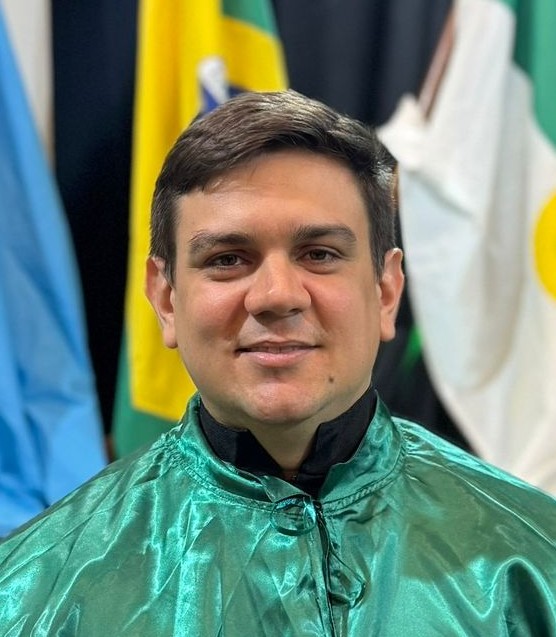
Bruno Araujo da Silva Dantas

@sigaa.ufrn.br

Faculdade de Ciências da Saúde do Trairi
Universidade Federal do Rio Grande do Norte

Bruno Araujo da Silva Dantas
Professor Adjunto (Nível 1) da UFRN, lotado no campus da Faculdade de Ciências da Saúde do Trairi (FACISA), em Santa Cruz-RN, sob regime de dedicação exclusiva, desde julho de 2022. Professor permanente do Programa de Pós-graduação em Saúde Coletiva (PPGSCol), do campus central da UFRN (Natal-RN). Colaborador no Programa de Pós-Graduação em Ciências da Saúde (PPGCSA/UFRN). Membro titular do Comitê de Ética e Pesquisa da FACISA/UFRN. Vice-lider do grupo de pesquisa Incubadora de Procedimentos de Enfermagem do Departamento de Enfermagem e do Grupo de Estudos: Psicologia e Saúde do Departamento de Psicologia, ambos da UFRN. Membro da Rede Internacional de Pesquisa sobre Vulnerabilidade, Saúde, Segurança e Qualidade de Vida da Pessoa Idosa: Brasil, Portugal, Espanha, França, Chile, México e Estados Unidos da América (UFRN). Membro do Grupo de Pesquisa em Enfermagem nos Contextos de Saúde (UFRN/FACISA). Editor Científico da Revista de Enfermagem do Centro Oeste Mineiro (RECOM).

EDUCATION

Enfermeiro, formado pela Universidade Federal do Rio Grande do Norte (UFRN), na cidade de Natal-RN (2014.2). Doutor em Ciências da Saúde pelo Programa de Pós-Graduação em Ciências da Saúde (PPGCSA - UFRN). Mestre em enfermagem pelo Programa de Pós-graduação em Enfermagem da UFRN (PGEN), em 2016. Especialista em Enfermagem Neonatal e Pediátrica pela UFRN. Possui especialização em Enfermagem do Trabalho (Faculdade Metropolitana de Ciências e Tecnologia - FAMEC) e em Urgência e Emergência em Enfermagem (UFRN).

RESEARCH, TEACHING, or OTHER INTERESTS

Gerontology, Public Health, Environmental and Occupational Health, Pediatrics, Perinatology and Child Health
15

Scopus Publications

292

Scholar Citations

9

Scholar h-index

9

Scholar i10-index

Scopus Publications

  • Effects of Venous Leg Ulcer Healing With Compression Therapy on Quality of Life of Patients: Nonrandomized Study
    Maria Leonor Paiva da Silva, Bruno Araújo da Silva Dantas, Mário Lins Galvão de Oliveira, Severino Azevedo de Oliveira Júnior, Larissa Amorim Almeida, Kalyne Patrícia de Macêdo Rocha, Sandra Maria da Solidade Gomes Simões de Oliveira Torres, Márcio Américo Correia Barbosa Filho, Ana Grazielly do Nascimento Costa, Matheus Medeiros de Oliveira, Maria Clara da Silva Bezerra, Carola Rosas, Carmelo Sergio Gómez-Martínez, Gilson de Vasconcelos Torres
    International Journal of Clinical Practice, 2026
    Objectives This study aimed to evaluate the impact of venous leg ulcer (VLU) healing on health‐related quality of life by comparing outcomes between patients who achieved complete wound closure and those who did not. Additionally, the research sought to identify which specific quality of life domains are most significantly influenced by the healing process over a 12‐month follow‐up. Design A longitudinal, observational, nonrandomized prospective study. Materials and methods A convenience sample of 103 patients with VLUs undergoing specialized compression therapy was followed for one year. Quality of life was assessed using two validated instruments: the Medical Outcomes Study 36‐Item Short‐Form Health Survey (SF‐36) and the Charing Cross Venous Ulcer Questionnaire (CCVUQ). To distinguish the influence of healing from other variables, binary logistic regression models were employed to determine the odds of improvement across different quality‐of‐life domains. The study adhered to the Strengthening the Reporting of Observational Studies in Epidemiology checklist for observational studies. Results Forty‐three participants (41.7%) achieved complete VLU healing. Binary logistic regression indicated that ulcer healing was a primary determinant of improved quality of life, particularly within the SF‐36 domains role‐physical, physical functioning, bodily pain, and role‐emotional. CCVUQ scores reflected a consistent pattern across all dimensions, with the most significant improvements observed in domestic activities and cosmesis. Conclusion Binary logistic regression showed that VLU healing was a robust predictor of enhanced quality of life, specifically regarding physical, emotional, functional, and pain‐related domains. The concurrent use of multiple quality of life instruments provided complementary insights, yielding a more comprehensive understanding of the patient experience. Trial Registration: Brazilian Clinical Trials Registry: RBR‐8n3nxg8
  • Frailty, Nutrition, and Quality of Life in Urban-Dwelling Older Adults Facing Vulnerability: Observational Study in Primary Heath Care Settings in Underpopulated Areas
    Kalyne Patrícia de Macêdo Rocha, Larissa Amorim Almeida, Nathaly da Luz Andrade, Mayara Priscilla Dantas Araújo, Andreia Luíza de Oliveira, Maria Eduarda Oliveira de Albuquerque, Matheus Medeiros de Oliveira, Estefane Beatriz Leite de Morais, Rafaela Carolini de Oliveira Távora, Carola Rosas, Maria Antónia Fernandes Caeiro Chora, Maria Laurência Grou Parreirinha Gemito, Bruno Araújo da Silva Dantas, Gilson de Vasconcelos Torres
    Nursing and Health Sciences, 2025
    To investigate the predictive relationships between frailty, nutritional factors, and Quality of Life (QoL) on the vulnerability of older adults enrolled in Primary Health Care (PHC) in an urban area. This was a cross‐sectional study conducted with community‐dwelling older adults. Participants receiving care in PHC in two Brazilian municipalities located in a sparsely populated region were recruited. The instruments used were Vulnerable Elders Survey (VES‐13), Mini Nutritional Assessment (MNA), Edmonton Frailty Scale (EFS), and Medical Outcomes Study Short Form‐36 (SF‐36). Association analyses, Spearman's correlation, and binary logistic regression were used. A total of 323 individuals were included. Binary logistic regression revealed frailty (EFS) as the main predictor of vulnerability (R2 = 0.20; p < 0.001; OR = 1.35 [95% CI: 1.24–1.48]), with functional independence (R2 = 0.25; p < 0.001; OR = 3.9 [95% CI: 2.74–5.73]) and functional performance (R2 = 0.17; p < 0.001; OR = 3.21 [95% CI: 2.21–4.67]) being the domains that most strongly increased the odds of vulnerability. Impaired nutrition showed a consistent predictive association (R2 = 0.11; p < 0.001; OR = 0.82 [95% CI: 0.76–0.89]). Frailty and poor nutritional status were predictors of vulnerability, with particular emphasis on physical‐functional aspects. QoL showed a moderate to strong correlation with vulnerability, especially in the physical domains.
  • Nutritional, Cognitive, and Functional Deficits, Frailty, and Quality of Life Associated With Fall Risk in Community-Dwelling Older Adults: A Cross-Sectional Study Conducted in Brazil
    Larissa Amorim Almeida, Bruno Araújo da Silva Dantas, Kalyne Patrícia de Macêdo Rocha, Mayara Priscilla Dantas Araújo, Nathaly da Luz Andrade, Francisco de Assis Moura Batista, Railson Luís dos Santos Silva, Monara Lorena Medeiros Silvino, Lívia Batista da Silva Fernandes Barbosa, Matheus Medeiros de Oliveira, Thaiza Teixeira Xavier Nobre, Rafaela Carolini de Oliveira Távora, Adriana Catarina de Souza Oliveira, Gilson de Vasconcelos Torres
    Journal of Primary Care and Community Health, 2025
    Introduction/Objective: Falls affect approximately 30% of the older adult population. We aimed to compare the associations between fall risk and different multidimensional health aspects among older adults receiving care in the Brazilian Primary Health Care (PHC) system. Method: Cross-sectional, quantitative study involving older adults from PHC. The Fall Risk Score, Mini Nutritional Assessment, Mini-Mental State Examination, Edmonton Frail Scale, Barthel Index, Lawton & Brody Scale, and Medical Outcomes Study Questionnaire Short Form was used to measure the variables of interest. Correlation analyses and binary logistic regression were also employed. Results: A total of n = 257 individuals participated, of whom n = 102 (39.7%) were with risk for falls. Preserved cognition, absence of frailty, and better functionality levels were identified as protective factors against fall risk through association and correlation analyses. The binary logistic regression analysis found that the factors contributing most to the reduction of fall risk were higher nutritional scores, better cognitive function, preserved functionality (BADL and IADL), and the functional domain of quality of life (QoL). Conclusion: Better nutritional status, cognition, functionality, and QoL were associated with a lower risk of falls. Although frailty exhibited similar results, it did not stand out equally as a contributing factor to fall risk.
  • Sociodemographic profile, functionality, depression, and frailty as determinants for the risk of abuse and violence against older people in the community: An observational study conducted in Brazil
    Bruna Caroline Cassiano da Silva, Bruno Araújo da Silva Dantas, Alexandre do Amaral Maculan, Nathaly da Luz Andrade, Sandra Maria da Solidade Gomes Simões de Oliveira Torres, Carmelo Sergio Gómez Martínez, Eulália Maria Chaves Maia, Vilani Medeiros de Araújo Nunes, Maria Laurência Grou Parreirinha Gemito, Sheila Cristina Rocha-Brischiliari, Gilson de Vasconcelos Torres
    Plos One, 2025
    This study aimed to analyze the relationship between sociodemographic factors, health, functionality, depression, and frailty with the risk of abuse and violence against younger and older adults individuals. A cross-sectional observational study with a quantitative approach was conducted among Brazilian older adults between April and July 2022. Participants aged 60 years and older were recruited from Brazilian Primary Health Care Units. The Hwalek-Sengstock Elder Abuse Screening Test, Lawton and Brody’s Instrumental Activities of Daily Living Scale, Edmonton Frail Scale, and the Geriatric Depression Scale (GDS-15) were used to assess the variables of interest. Odds Ratios (ORs) was calculated using binary logistic regression models to test the study hypothesis. The sample was divided into two groups: younger elderly individuals (aged 60–70 years) and older elderly individuals (> 70 years). A total of n = 200 individuals’ participants were included in the study (n = 132 younger and n = 68 older). Non-white skin color (n = 15/ 22.1%/ p = 0.016/ OR= 2.0) was identified as a risk factor for the older group, while illiteracy emerged as a risk factor for violence in both groups (OR> 1.0). The absence of depressive symptoms and frailty were protective factors against the risk of abuse and violence in both groups (OR>1.0). Logistic regression analysis indicated that depression was the variable most strongly associated with the risk of abuse and violence, particularly in the younger group (R² = 0.46/ p < 0.001/ ß = 0.56). Among the observed associations, non-white skin color was a risk factor for abuse and violence in the older group, whereas literacy, absence of depression, and absence of frailty were protective factors in both groups.
  • Venous leg ulcer healing as a determinant of quality of life in patients treated with unna boot: A quasi-experimental study
    Mário Lins Galvão de Oliveira, Felipe León-Morillas, Isadora Costa Andriola, Carmelo Sergio Gómez Martínez, Bruno Araújo da Silva Dantas, Gilson de Vasconcelos Torres
    Plos One, 2025
    Our objective was to assess the effect of Venous Leg Ulcer (VLU) healing on Quality of Life (QoL) in patients undergoing compression therapy. This non-randomized, quasi-experimental, and observational study involved patients with VLU. A convenience sample of individuals receiving services was followed for at least one year while undergoing compression therapy. The Medical Outcomes Short-Form Health Survey (SF-36) and the Charing Cross Venous Ulcer Questionnaire (CCVUQ) were employed to measure the variables of interest. Study participants were categorized into the Healed Group (HG) and the Unhealed Group (UG). The final sample comprised 103 individuals. The HG demonstrated improvements in SF-36 scores in the domains of Social Role Functioning (n = 34, p<0.001), Physical Role Functioning (n = 33, p<0.001), and the Physical Health Dimension (n = 38, p<0.001). Additionally, the CCVUQ assessment revealed score enhancements in the domains of Domestic Activities (n = 30, p = 0.001) and Social Interaction (n = 30, p = 0.009). QoL showed significant improvements in functionality, physical performance, and social interaction in the HG after one year of compression therapy treatment. In contrast, the UG was the only group to experience significant deteriorations in QoL.
  • Healing of Venous Leg Ulcers Influenced by Individual Aspects: Cluster Analysis in a Specialist Wound Management Clinic
    Maria Angélica Gomes Jacinto, Adriana Catarina de Souza Oliveira, Carmelo Sergio Gómez Martínez, Thalyta Cristina Mansano Schlosser, Bruno Araújo da Silva Dantas, Gilson de Vasconcelos Torres
    Journal of Primary Care and Community Health, 2024
    Introduction/Objective: Venous Leg Ulcers (VLU) present a challenging healing process. Attaining healing is a primary treatment objective, commonly pursued in Primary Health Care (PHC) or Specialist Wound Management Clinics. Our objective was to examine the association and interplay between sociodemographic, health, clinical, and care factors with the outcomes of VLU treatment in patients undergoing care at a Specialist Wound Management Clinic. Methods: Longitudinal, observational study took place in a center for the treatment of chronic injuries linked to PHC. The sociodemographic aspects, health status and habits, clinical and care aspects of patients with VLU were scrutinized over a 1-year period. Results: The sample comprised 103 participants, with some still under treatment (Treatment Group—TG/ n = 60) and others having achieved VLU healing (Healing Group—HG/ n = 43). An association between sociodemographic, health, clinical, and care factors and the healing outcome (HG) was identified. A moderate correlation was observed between factors predisposing to healing in the sociodemographic group and health habits. Notably, among sociodemographic factors, the older age group and improvements in health, particularly the reduced use of alcohol/smoking, appeared to exert the most significant influence on healing. Additionally, specialized service monitoring and the application of compression therapy were contributory factors. Conclusions: These findings substantiate the hypothesis that sociodemographic, health, clinical, and care-related aspects are intertwined with VLU healing. Protective factors associated with healing interacted synergistically, fostering a positive outcome over one year of treatment.
  • Influence of pain on the quality of life in patients with venous ulcers: Cross-sectional association and correlation study in a brazilian primary health care lesions treatment center
    Severino Azevedo de Oliveira Júnior, Adriana Catarina de Souza Oliveira, Mayara Priscilla Dantas Araújo, Bruno Araújo da Silva Dantas, Maria del Carmen García Sánchez, Gilson de Vasconcelos Torres
    Plos One, 2023
    We aimed to verify the association and correlation between pain and QoL in people with VU treated in a Brazilian Primary Health Care (PHC) lesions treatment center. This is an observational, cross-sectional study with a quantitative approach, carried out in a service specialized in the treatment of chronic injuries, linked to 29 PHC units. Sociodemographic and health characterization instruments were used. The Short Form Health Survey-36 (SF-36) and Visual Analogue Pain Scale (VAPS) also were used. The Kruskal-Wallis test verified the association between the scalar variables of QoL and pain intensity. With Spearman’s correlation test, we verified the level of correlation between the scales applied. A total of 103 patients participated in the study. Higher QoL scores associated with moderate pain were found, especially in the Physical role functioning, Physical functioning, and Vitality domains. Correlation analysis showed its greatest (moderate) strength in the interaction between the highest scores in the Physical role functioning and Emotional role functioning domains with the lowest pain levels.
  • Determinants of socioeconomic factors for quality of life and depressive symptoms in community-dwelling older people: A crosssectional study in Brazil and Portugal
    Larissa Silva Sadovski Torres, Adriana Catarina de Souza Oliveira, Mayara Priscilla Dantas Araújo, Maria Débora Silva de Carvalho, Lívia Batista da Silva Fernandes Barbosa, Bruno Araújo da Silva Dantas, Carmelo Sergio Gómez Martínez, Francisco Arnoldo Nunes de Miranda, Felismina Rosa Parreira Mendes, Gilson de Vasconcelos Torres
    Plos One, 2023
    Our aim was to analyze the association between socioeconomic status and quality of life (QoL) among older people with depressive symptoms treated through the Primary Health Care (PHC) system in Brazil and Portugal. This was a comparative cross-sectional study with a nonprobability sample of older people in the PHC in Brazil and Portugal conducted between 2017 and 2018. To evaluate the variables of interest, the socioeconomic data questionnaire, the Geriatric Depression Scale and the Medical Outcomes Short-Form Health Survey were used. Descriptive and multivariate analyses were performed to test the study hypothesis. The sample consisted of n = 150 participants (Brazil n = 100 and Portugal n = 50). There was a predominance of woman (76.0%, p = 0.224) and individuals between 65 and 80 years (88.0%, p = 0.594). The multivariate association analysis showed that in the presence of depressive symptoms, the QoL mental health domain was most associated with the socioeconomic variables. Among the prominent variables, woman group (p = 0.027), age group 65–80 years (p = 0.042), marital status “without a partner” (p = 0.029), education up to 5 years (p = 0.011) and earning up to 1 minimum wage (p = 0.037) exhibited higher scores among brazilian participants. The portuguese participants showed an association between the general health status domain and woman group (p = 0.042) and education up to 5 years (p = 0.045). The physical functioning domain was associated with income of up to 1 minimum wage (p = 0.037). In these domains, the portuguese participants exhibited higher scores than the brazilian participants. We verified the association between socioeconomic profile and QoL in the presence of depressive symptoms, which occurred mainly among woman, participants with low levels of education and low income, with QoL aspects related to mental, physical and social health and self-perceived health. The group from Brazil had higher QoL scores than the group from Portugal.
  • Correlation between Generic and Disease-Specific Quality of Life Questionnaires in Patients with Venous Ulcerations: A Cross-Sectional Study Carried out in a Primary Health Care Setting in Brazil
    Dalyanna Mildred de Oliveira Viana Pereira, Adriana Catarina de Souza Oliveira, Severino Azevedo de Oliveira Júnior, Maria Angélica Gomes Jacinto, Alessandra Justino Dionísio, Alana Ellen Oliveira Lima, Bruno Araújo da Silva Dantas, Silvana Loana de Oliveira Sousa, Carmelo Sergio Gómez Martínez, Gilson de Vasconcelos Torres
    International Journal of Environmental Research and Public Health, 2023
    Venous Ulcers (VU) are a serious health problem that affect the Quality of Life (QoL). They are evaluated by many different scales in the literature. We aimed to analyze the correlation between the Medical Outcomes Short-Form Health QoL (SF-36) and Charing Cross Venous Ulcer Questionnaire (CCVUQ) scales. This is a cross-sectional study conducted in a Brazilian center specializing in chronic VU of the Primary Health Care (PHC) provided to patients with active VU. The general QoL instrument SF-36 and the CCVUQ, specific for people with VU, were used. Spearman’s Rho Test determined the correlation between the variables analyzed. Our sample had a total of 150 patients. We found a direct correlation between the domestic activities division (CCVUQ) aspect and the SF-36 Physical role functioning (strong), and Physical functioning (moderate) domains. The Social interaction division (CCVUQ) aspect presented moderate correlation with the domains of the SF-36 Physical role functioning and Physical functioning. The Vitality domain (SF-36) showed moderate correlation with the aspects of CCVUQ Cosmesis division and Emotional status division. The greatest forces of direct correlation were observed between the physical, functional and vitality aspects of SF-36 with those represented by domestic activities and social interaction in the CCVUQ.
  • Quality of Life in Community-Dwelling Older People with Functional and Nutritional Impairment and Depressive Symptoms: A Comparative Cross-Sectional Study in Brazil and Portugal
    Jéssica Maria Arouca de Miranda, Dalyanna Mildred de Oliveira Viana, Anderson Antônio Lima dos Santos, Áquila Filêmon de Andrade Costa, Bruno Araújo da Silva Dantas, Francisco Arnoldo Nunes de Miranda, Felismina Rosa Parreira Mendes, Gilson de Vasconcelos Torres
    Geriatrics Switzerland, 2022
    Background: The interaction of quality of life (QoL) with functionality, nutrition and depression has been studied, but few studies have compared different realities. Our objective was to compare the associations of QoL with impaired functionality, nutritional status and depressive symptoms among older people patients treated in primary health care (PHC) in Brazil and Portugal. Methods: Cross-sectional, comparative study was conducted with primary data from PHC services in Brazil and Portugal with users over 65 years old. Participants’ scores were classified as “impaired” and “preserved” for QoL, functional decline, nutrition and depression. We used Pearson’s chi-square test, Fisher’s exact test and the Mann–Whitney U test. Results: Our sample had a total of 150 PHC users. We found lower QoL scores in Brazil, which were associated with the risk of functional decline for the domains Physical Functioning, General Health Perceptions, Mental Health dimensions and Physical Health. Nutritional impairment in the group from Portugal included the domains of Vitality and Social Role Functioning. For depressive impairment, Portugal showed an association with the domains Mental Health, Vitality and Social Role Functioning. Conclusions: QoL was associated with functional and nutritional impairment and depressive symptoms, highlighting physical, mental and social characteristics related to the perception of well-being.
  • Depression and quality of life in Brazilian and Portuguese older people communities: Analysis of association
    Bruno Araújo da Silva Dantas, Anna Carolyna Vieira Cavalcante, Jéssica Maria Arouca de Miranda, Gislani Acásia da Silva Toscano, Thaiza Teixeira Xavier Nobre, Felismina Rosa Parreira Mendes, Francisco Arnoldo Nunes de Miranda, Eulália Maria Chaves Maia, Gilson de Vasconcelos Torres
    Medicine United States, 2021
  • Impact of multidimensional interventions on quality of life and depression among older adults in a primary care setting in brazil: A quasi-experimental study
    Bruno A. da S. Dantas, Jessica M.A. de Miranda, Anna C.V. Cavalcante, Gislani A. da S. Toscano, Larissa S.S. Torres, Simone C. de O. Rossignolo, Thaiza T.X. Nobre, Eulália M.C. Maia, Francisco A.N. de Miranda, Gilson de V. Torres
    Brazilian Journal of Psychiatry, 2020
  • Assessment of trauma after motorbike accidents assisted by a pre-hospital emergency mobile service
    Revista Cubana De Enfermeria, 2017
  • Epidemiological profile of the traumatic emergencies assisted by a mobile prehospital emergency service
    Andréa Tayse de Lima Gomes, Micheline Da Fonseca Silva, Bruno Araújo da Silva Dantas, Jéssica Maria Arouca De Miranda, Gabriela De Sousa Martins Melo, Rodrigo Assis Neves Dantas
    Enfermeria Global, 2017
  • Nursing faculty acceptance and knowledge of organ and tissue donation
    Izaura Luzia Silvério Freire, Andréa Tayse De Lima Gomes, Micheline Da Fonseca Silva, Bruno Araújo da Silva Dantas, Quinidia Lúcia D. de Almeida Quithé De Vasconcelos, Gilson De Vasconcelos Torres
    Revista Enfermagem, 2016

RECENT SCHOLAR PUBLICATIONS

  • Frailty domains and quality of life associated with geriatric depression in Brazilian primary health care: a cross-sectional study
    EF de Moura, BA da Silva Dantas, LA Almeida, KP de Macêdo Rocha, ...
    Scientific Reports , 2026
    2026
  • Intervenções para Melhorar a Saúde Mental dos Pós-graduandos: Uma Revisão Sistemática
    LM de Oliveira Santos, BR da Silva, HL de Souza Costa, LC de Oliveira, ...
    Estudos e Pesquisas em Psicologia 26 , 2026
    2026
  • Risco de queda associado aos aspectos da fragilidade em pessoas idosas octogenárias da comunidade
    LA Almeida, AG do Nascimento Costa, KP de Macêdo Rocha, ...
    Revista de Enfermagem do Centro-Oeste Mineiro 16 , 2026
    2026
  • RELAÇÃO ORIENTADOR–ORIENTANDO NA PÓS-GRADUAÇÃO: IMPLICAÇÕES PARA A SAÚDE MENTAL
    LM de Oliveira Santos, BR da Silva, BA da Silva Dantas, EMC Maia
    Revista Multidisciplinar do Nordeste Mineiro 1 (03), 1-18 , 2026
    2026
  • Associação entre fragilidade, nutrição, sarcopenia, violência e depressão em pessoas idosas na atenção primária à saúde
    AGN Costa, MAC Barbosa Filho, RLS Silva, MLM Silvino, BAS Dantas
    Rev. Pesqui.(Univ. Fed. Estado Rio J., Online) , 2026
    2026
  • Effects of Venous Leg Ulcer Healing With Compression Therapy on Quality of Life of Patients: Nonrandomized Study
    MLP Silva, BAS Dantas, MLG Oliveira, SAO Júnior, LA Almeida, ...
    International Journal of Clinical Practice 2026 (1), 5588867 , 2026
    2026
  • Associação entre fragilidade, nutrição, sarcopenia, violência e depressão em pessoas idosas na atenção primária à saúde
    AG do Nascimento Costa, MAC Barbosa Filho, KP de Macêdo Rocha, ...
    Revista de Pesquisa, Cuidado é Fundamental Online 18, 1-14 , 2026
    2026
  • Sintomas depressivos associados à pior qualidade de vida em idosos atendidos na Atenção Primária
    MAC Barbosa Filho, AG do Nascimento Costa, JVN de Santana, ...
    Revista de Enfermagem do Centro-Oeste Mineiro 15 , 2025
    2025
  • Frailty, Nutrition, and Quality of Life in Urban‐Dwelling Older Adults Facing Vulnerability: Observational Study in Primary Heath Care Settings in Underpopulated Areas
    KPM Rocha, LA Almeida, N da Luz Andrade, MPD Araújo, AL de Oliveira, ...
    Nursing & Health Sciences 27 (3), e70234 , 2025
    2025
    Citations: 2
  • Nutritional, Cognitive, and functional Deficits, Frailty, and quality of life associated with fall risk in Community-Dwelling older adults: A Cross-Sectional study conducted in …
    LA Almeida, BAS Dantas, KPM Rocha, MPD Araújo, NL Andrade, ...
    Journal of Primary Care & Community Health 16, 21501319251341742 , 2025
    2025
    Citations: 3
  • Sociodemographic profile, functionality, depression, and frailty as determinants for the risk of abuse and violence against older people in the community: An observational …
    BCC da Silva, BAS Dantas, AA Maculan, NL Andrade, SMSGSO Torres, ...
    Plos one 20 (6), e0317855 , 2025
    2025
    Citations: 1
  • Venous leg ulcer healing as a determinant of quality of life in patients treated with unna boot: A quasi-experimental study
    ML Galvão de Oliveira, F León-Morillas, IC Andriola, CS Gómez Martínez, ...
    PLoS One 20 (1), e0314490 , 2025
    2025
    Citations: 3
  • ASPECTOS ASSOCIADOS À VULNERABILIDADE EM SAÚDE EM PESSOAS IDOSAS ATENDIDAS NA ATENÇÃO PRIMÁRIA À SAÚDE
    KM Rocha, NC Diniz, NL Andrade, MLP Silva, BAS Dantas, GV Torres
    Revista Ibero-Americana de Saúde e Envelhecimento 10 (2), 78-92 , 2025
    2025
  • ASPECTOS ASSOCIADOS AO RISCO DE SARCOPENIA EM PESSOAS IDOSAS
    M Barbosa Filho, AGN Costa, BC Silva, MDS Carvalho, GV Torres, ...
    Revista Ibero-Americana de Saúde e Envelhecimento 10 (2), 94-108 , 2025
    2025
  • CARACTERIZAÇÃO SOCIODEMOGRÁFICA E DE SAÚDE DA PESSOA IDOSA INSTITUCIONALIZADA EM RISCO DE VIOLÊNCIA
    NL Andrade, FAM Batista, BC Silva, EC Maia, BAS Dantas, GV Torres
    Revista Ibero-Americana de Saúde e Envelhecimento 10 (2), 11-26 , 2025
    2025
    Citations: 1
  • Atendimento à pessoa surda: percepções e experiências como paciente no sistema de saúde
    DW de Araújo, MES de Araújo, AB de Luna Soares, JR de Lima, ...
    REVISTA DELOS 18 (63), e3522-e3522 , 2025
    2025
  • Reanimação neonatal determinada por afecções em recém-nascidos atendidos em unidades de cuidados intensivos e intermediários
    BAS Dantas, BB Policarpo, LAL Fonseca, KTM Galdino, MRB Macedo, ...
    Rev. Pesqui.(Univ. Fed. Estado Rio J., Online) , 2025
    2025
  • Sociodemographic profile, functionality, depression, and frailty as determinants for the risk of abuse and violence against older people in the community: an observational …
    B Silva, B Dantas, A Maculan, N Andrade, S Torres, C Martínez, E Maia, ...
    PLoS One , 2025
    2025
    Citations: 1
  • NEONATAL RESUSCITATION DETERMINED BY CONDITIONS IN NEWBORNS TREATED IN INTENSIVE AND INTERMEDIATE CARE UNITS
    BA da Silva Dantas, BB Policarpo, LAL Fonseca, KTM Galdino, ...
    Revista de Pesquisa, Cuidado é Fundamental Online 17, 1-9 , 2025
    2025
  • Tecnologias para a educação em saúde no pós-operatório de revascularização miocárdica: protocolo de scoping review
    WÉ de Oliveira, MLO dos Santos, IL da Silva, RC de Oliveira Távora, ...
    Revista Enfermagem Atual In Derme 98 (2), e024331-e024331 , 2024
    2024

MOST CITED SCHOLAR PUBLICATIONS

  • Impact of multidimensional interventions on quality of life and depression among older adults in a primary care setting in Brazil: a quasi-experimental study
    BAS Dantas, JMA de Miranda, ACV Cavalcante, GAS Toscano, ...
    Brazilian Journal of Psychiatry 42 (2), 201-208 , 2019
    2019
    Citations: 41
  • Perfil epidemiológico de las emergencias traumáticas asistidas por un servicio prehospitalario móvil de urgencia
    ATL Gomes, MF Silva, BAS Dantas, JMA de Miranda, GSM Melo, ...
    Enfermería global 16 (45), 384-415 , 2017
    2017
    Citations: 32
  • O risco de infantilizar a gestão pública
    B DANTAS
    O Globo 6 , 2018
    2018
    Citations: 23
  • Process of organ and tissue donation for transplant: Reflections about its effectiveness
    ILS Freire, AEO Mendonça, BAS Dantas, MF Silva, ATL Gomes, ...
    Rev enferm UFPE on line., Recife 8 (supl 1), 2533-8 , 2014
    2014
    Citations: 16
  • Quality of life in community-dwelling older people with functional and nutritional impairment and depressive symptoms: a comparative cross-sectional study in Brazil and Portugal
    JMA de Miranda, DMO Viana, AAL Dos Santos, ÁFA Costa, BAS Dantas, ...
    Geriatrics 7 (5), 96 , 2022
    2022
    Citations: 15
  • Caracterização dos acidentes de trânsito assistidos por um serviço de atendimento móvel de urgência Characterization of traffic accidents attended by a mobile urgency care service
    AT de Lima Gomes, M da Fonseca Silva, BA da Silva Dantas, ...
    Revista de Pesquisa: Cuidado é fundamental online 8 (2), 4269-4279 , 2016
    2016
    Citations: 14
  • Depression and quality of life in Brazilian and Portuguese older people communities: Analysis of association
    BA da Silva Dantas, ACV Cavalcante, JMA de Miranda, ...
    Medicine 100 (46), e27830 , 2021
    2021
    Citations: 13
  • Changes in the quality of life of an elderly group of the family health strategy
    T Costa, G de Vasconcelos Torres, RA รบ jo Oliveira, MV Costa, ...
    International Archives of Medicine 9 , 2016
    2016
    Citations: 12
  • Influence of pain on the quality of life in patients with venous ulcers: Cross-sectional association and correlation study in a brazilian primary health care lesions treatment …
    SAO Júnior, ACS Oliveira, MP Dantas Araújo, BAS Dantas, MCG Sánchez, ...
    Plos one 18 (8), e0290180 , 2023
    2023
    Citations: 10
  • Aceitação e conhecimento de docentes de enfermagem sobre a doação de órgãos e tecidos [Nursing faculty acceptance and knowledge of organ and tissue donation]
    ILS Freire, AT de Lima Gomes, M da Fonseca Silva, BA da Silva Dantas, ...
    Revista Enfermagem UERJ 24 (1), e15561-e15561 , 2016
    2016
    Citations: 9
  • Aspectos éticos e legais da doação de órgãos: visão dos estudantes de enfermagem
    ILS Freire, BA da Silva Dantas, AT de Lima Gomes, M da Fonseca Silva, ...
    Revista de Enfermagem do Centro-Oeste Mineiro , 2015
    2015
    Citations: 9
  • Caracterização sociodemográfica e epidemiológica dos doadores de córneas do banco de tecidos oculares do Rio Grande do Norte
    M da Fonseca Silva, AT de Lima Gomes, ILS Freire, BA da Silva Dantas, ...
    Revista Brasileira de Pesquisa em Saúde/Brazilian Journal of Health Research … , 2014
    2014
    Citations: 9
  • Characterization of traffic accidents attended by a mobile urgency care service
    ATL Gomes, MF Silva, BAS Dantas, RAN Dantas, AEO Mendonça, ...
    Revista de Pesquisa: Cuidado é Fundamental Online 8 (2), 4269-4279 , 2016
    2016
    Citations: 8
  • Caracterização dos potenciais doadores e estrutura de unidades hospitalares que desenvolvem o transplante
    ILS Freire, MF Silva, ATL Gomes, BAS Dantas, GV Torres
    Ciênc. cuid. saúde, 1281-1289 , 2015
    2015
    Citations: 7
  • Processo de doação de órgãos e tecidos para transplante: reflexões sobre sua efetividade
    ILS Freire, AEO Mendonça, BAS Dantas, MF Silva, ATL Gomes, ...
    Revista de Enfermagem UFPE on line, Recife 8, 2533-2538 , 2014
    2014
    Citations: 7
  • Determinants of socioeconomic factors for quality of life and depressive symptoms in community-dwelling older people: A cross-sectional study in Brazil and Portugal
    LSS Torres, ACS Oliveira, MPD Araújo, MDS de Carvalho, LBSF Barbosa, ...
    Plos one 18 (6), e0287163 , 2023
    2023
    Citations: 6
  • Correlation between Generic and Disease-Specific Quality of Life Questionnaires in Patients with Venous Ulcerations: A Cross-Sectional Study Carried out in a Primary Health …
    DM de Oliveira Viana Pereira, AC de Souza Oliveira, ...
    International Journal of Environmental Research and Public Health 20 (4), 3583 , 2023
    2023
    Citations: 5
  • Avaliação do trauma nos acidentes com motocicletas atendidos por um serviço pré-hospitalar móvel de urgência
    BA da Silva Dantas, AT de Lima Gomes, M da Fonseca Silva, ...
    Universidade Federal de Minas Gerais , 2017
    2017
    Citations: 5
  • Epidemiological profile of the traumatic emergencies assisted by a mobile prehospital emergency service
    ATL Gomes, MF Silva, BAS Dantas, JMA de Miranda, GSM Melo, ...
    Enfermería Global 16 (1), 384-394 , 2017
    2017
    Citations: 5
  • Characterization of the potential donors and structure of hospital units that develops the transplantations
    IL Freire, MF Silva, AT Gomes, BA Dantas, GV Torres
    Ciênc Cuid Saúde 14 (3), 1281-1289 , 2015
    2015
    Citations: 4