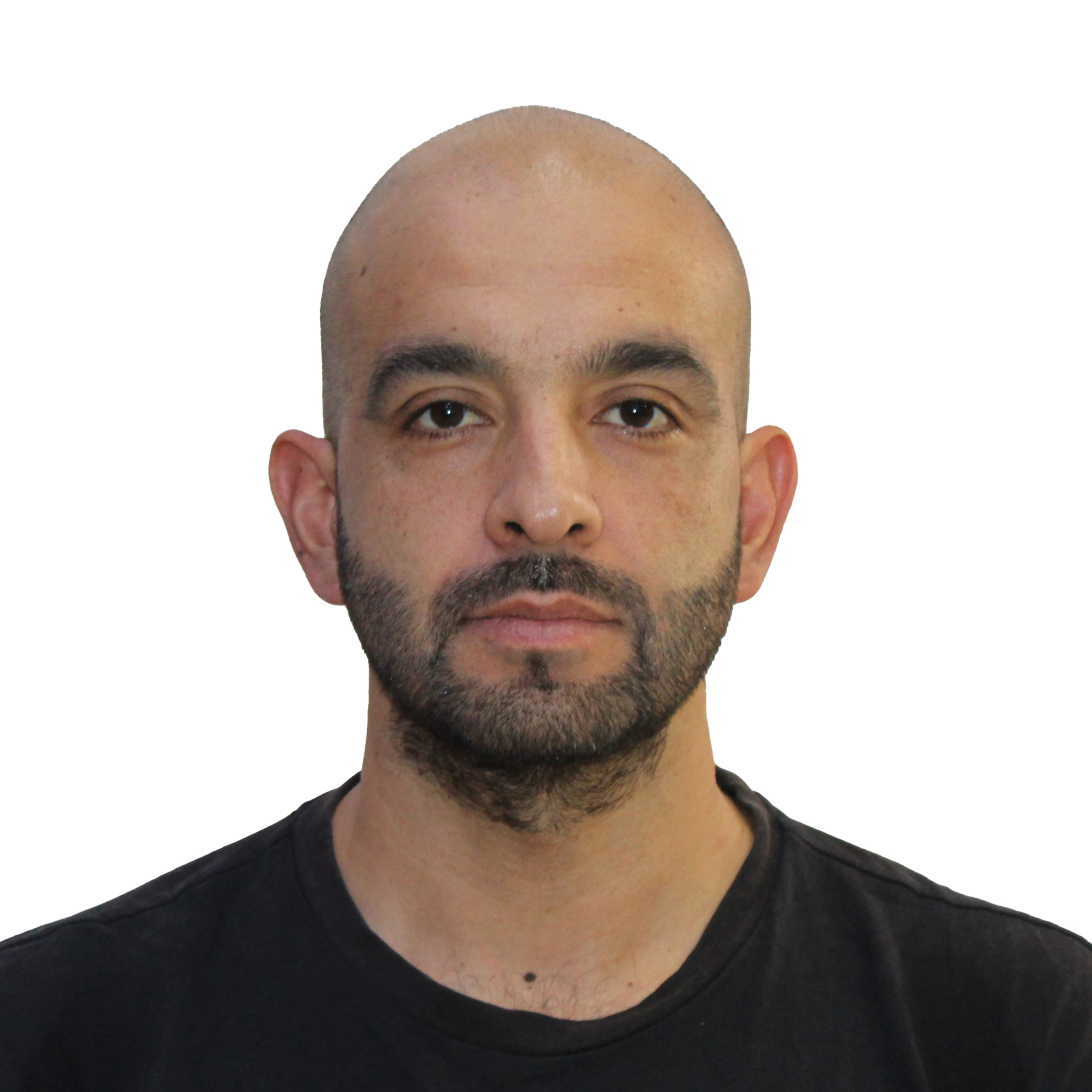
Renato Borras-Chavez

@uri.edu

Post Doctoral Researcher/ Natural Resources Science, College of the Environment and Life Sciences
University of Rhode Island

Renato Borras-Chavez
I am an integrative ecologist working in transdisciplinary sciences between foraging ecology, behavioral ecology, population ecology, and socioecology. My research explores predator-environment interactions by combining methods such as: diet estimators, geospatial analysis, computer vision, machine learning, and social sciences. With extensive field experience in Antarctica, Patagonia, and oceanic archipelagos, I aim to bridge ecological research with conservation strategies, fostering interdisciplinary collaborations with government agencies, fisheries, NGOs, and tour operators. I earned my Ph.D. at P. Universidad Católica de Chile and held postdoctoral positions in the US at Baylor University and the University of Rhode Island. I aim to establish an Integrative Ecology Lab that merges foraging behavior, physiology, species interactions, movement ecology, and human-wildlife relationships. Using advanced ecological knowledge, I hope to help build science-based monitoring programs.

EDUCATION

2020 Ph.D. (Biological Sciences), P. Catholic University of Chile, Chile
Living in the fast lane: Foraging ecology of the Antarctic fur seal at the edge of their breeding distribution
2010 M.S. (Ecology), San Diego State University, USA
Ecological and chemical responses of kelp under primitive harvesting methods: the pursuit of a sustainable method of harvesting in northern Chile
2007 B.S. (Marine Biology), Andrés Bello University, Chile

RESEARCH, TEACHING, or OTHER INTERESTS

Ecology, Evolution, Behavior and Systematics, Animal Science and Zoology, Physiology, Computer Vision and Pattern Recognition

FUTURE PROJECTS

Foraging Ecology of Juan Fernandez Fur seals. Effective monitoring and abundance estimations of Juan Fernandez Fur Seals

I have successfully collected several types of keratin tissue (teeth and whiskers) to explore males' feeding ecology (both current and historical) and aging. In addition, after our 2021-22 expedition estimating the abundance of the species, we have a strategy to implement more effective monitoring of the species in all three islands through an associative project with the National Forestry Corporation of Chile (CONAF).


Applications Invited
Two PhD students Additional funding Collaborators

Orca-Fisheries Interactions in Southern Patagonia. Movement patterns, diet, and species-human interactions with the Patagonian toothfish industry in Southern Chile.

Orcas impacting the Patagonian toothfish fisheries are one of the least studied interactions of this species in the world (and one of the least orca ecotypes studied too). This project aims to identify new strategies and tools to reduce orca-fisheries interactions by designing novel mechanisms that could be applied to the industry and are sustainable from a species conservation point of view. By doing so, we will gather as much ecological information about the foraging behavior and movement patterns of the species using biologging instruments and dietary proxies.


Applications Invited
Two PhD students Funding Collaborators

Hormones trigger behavior. The physiology behind Antarctic fur seals' foraging behavior

Milk samples of Antarctic fur seals were obtained in Antarctica for three years at different times of the species breeding cycle. Milk samples were obtained from animals also carried instruments to understand their diving behavior. The goal is to pair female hormone cycles with foraging behavior to understand hormonal triggers of certain specific behaviors towards the pup during the breeding season.


Applications Invited
Phd Student Master student
19

Scopus Publications

222

Scholar Citations

10

Scholar h-index

10

Scholar i10-index

Scopus Publications

  • Postmortem attentive behavior in leopard seals: insights into mother–pup interactions
    Emily S. Sperou, Renato Borras-Chavez, Daniel Torres, Gabriela Gómez, Carolina A. Bonin, Victor Neira, Carlos A. Flores Olivares, Sarah S. Kienle
    Polar Biology, 2025
    Maternal behavior in mammals is critical for offspring survival and provides insight into the evolutionary pressures shaping reproductive strategies. Postmortem attentive behavior (PAB) is a rare form of epimeletic behavior in which individuals show attachment, distress, or curiosity toward deceased conspecifics, most often between mothers and offspring. While PAB has been documented in terrestrial mammals and cetaceans, it has been rarely documented in pinnipeds. Here, we describe multiple instances of maternal PAB in the Antarctic apex predator, the leopard seal ( Hydrurga leptonyx ), at two sites in Patagonia, Chile. We document PAB in two adult females, including repeated observations of one individual across three years. One female displayed PAB for up to 20 days—the longest documented case in pinnipeds and among the longest for any mammal. Behaviors included carrying and mouthing the pup, maintaining close proximity, and displaying territoriality over the carcass. We also conducted a necropsy on one pup, yielding the first detailed anatomical assessment of this species at an early life stage. Our findings suggest death due to emaciation, likely from inadequate nursing. As no pups have been observed surviving to weaning in Chile, potential drivers of high preweaning mortality may include habitat instability, genetic load, or insufficient maternal investment. This study offers novel insight into leopard seal reproductive biology, highlighting the need for continued monitoring of this Antarctic seal.
  • Individual Specialization in a Generalist Apex Predator: The Leopard Seal
    Emily S. Sperou, Douglas J. Krause, Renato Borras‐Chavez, Patrick Charapata, Daniel P. Costa, Daniel E. Crocker, Kerri J. Smith, Bradley Thompson, Azana Best, Jaelyn Anderson, Michael E. Goebel, Carolina A. Bonin, Sarah S. Kienle
    Ecology and Evolution, 2025
    Apex predators are typically considered dietary generalists, which often masks individual variability. However, individual specialization—consistent differences among individuals in resource use or ecological role—is common in apex predators. In some species, only a few specialized individuals can significantly impact prey populations. Leopard seals (Hydrurga leptonyx) are apex predators important to the structure and function of the Southern Ocean ecosystem. Though broadly described as generalists, little is known about their trophic ecology at the population or individual level. We analyzed δ13C and δ15N profiles in whiskers (n = 46) from 34 leopard seals in the Western Antarctic Peninsula to assess trophic variation. We also evaluated individual consistency across years using repeat samples from 7 seals over 2–10 years. We compared population and individual isotopic niche space and explored drivers of intraspecific variation in leopard seal trophic ecology. We find that leopard seals have a broad trophic niche (range: 6.96%–15.21‰) and are generalists at the population level. However, most individuals are specialists (59% for δ15N and δ13C), with only a few generalists (13% for δ15N, 6% for δ13C). Individuals also specialize at different trophic levels. Most variation in trophic ecology is driven by individual specialization, but sex and mass also contribute. We also find that some seals specialize over time, consistently foraging at the same trophic level, while others switch within and between years. This suggests some seals may disproportionately impact prey, especially when specialists consistently target specific species. Long‐term specialization by a few leopard seals likely contributed to the decline of the local Antarctic fur seal population. Our findings show the importance of examining individual specialization in leopard seals across their range to understand their impact on other prey populations. This approach should be applied to other apex predator populations, as a few specialists can significantly impact ecosystems.
  • Image-Based Seal Recognition: Approaches and Challenges in Current Automated Systems
    Jorge Yero Salazar, Renato Borras-Chavez, Sarah Kienle, Pablo Rivas
    Communications in Computer and Information Science, 2025
  • Reference genome of the leopard seal (Hydrurga leptonyx), a Southern Ocean apex predator
    J. Canitz, S. S. Kienle, K. van der Linde, R. Borras-Chavez, E. S. Sperou, A. Leahy, S. Rivera, M. Autenrieth, J. I. Hoffman, C. A. Bonin
    Frontiers in Genetics, 2025
    Apex predators play a key role in maintaining ecosystem structure and functions (Ripple et al., 2014, Estes et al., 2016, Enquist et al., 2020). They exert top-down control on food webs, affecting nutrient and carbon cycles, modifying habitats, and regulating the spread of disease and invasive species (reviewed in Hammerschlag et al., 2019). Hence, knowledge of the basic biology of apex predator species facilitates the prediction of their ecosystem impacts. However, it can be difficult to gather this knowledge for species that occupy remote habitats and have solitary lifestyles (Olivier et al., 2022).The leopard seal (Hydrurga leptonyx) is an apex predator primarily found at low density (Southwell et al., 2008) in the Southern Ocean and subantarctic regions (Rogers, 2009;van der Linde et al., 2022;Borras-Chavez et al., 2024). Its diverse diet includes krill, cephalopods, fish and warm-blooded prey (e.g. seabirds and other seals; Siniff and Stone, 1985;Rogers, 2009), impacting different prey populations. The resulting predation pressure can be disproportionately high, which can significantly contribute to prey population collapse (Boveng et al., 1998;Schwarz et al., 2013;Krause et al., 2022). In the last decades leopard seals have been studied more intensively, especially in subantarctic areas, and more information about their foraging and movement patterns, physiology, morphometrics, and breeding behavior has been gathered (e.g., Rogers, 2017;Staniland et al., 2018;Krause et al., 2020;Kienle et al., 2022;Sperou et al., 2023;Kienle et al., 2024). Nevertheless, the relatively scarce information available for this species constrains our understanding of its role within the Antarctic ecosystem.Genomic approaches can provide new insights into marine mammal ecology and evolution, such as understanding their spatiotemporal occurrence and abundance (Boyse et al., 2024), exploring their predator-prey dynamics (Visser et al., 2021), and investigating their demographic histories and population dynamics (Peart et al., 2020;Nebenführ et al., 2024). These methods are also growing in popularity due to the high-resolution they provide, leading to better-resolved results (Waldvogel et al., 2020). The affordability and accuracy of whole genome sequencing have advanced significantly with the development of technologies such as Illumina 10X, Oxford Nanopore, and PacBio HiFi, which are complemented by the ongoing improvement of bioinformatic tools. The use of whole genome sequencing also avoids common biases that are often encountered with specific genetic markers or genes. Studies aiming to investigate genetic variability within species or populations, or to characterize interspecific phylogenetic relationships, typically rely on reference genomes to facilitate the mapping of sequencing reads from multiple individuals (Fuentes-Pardo and Ruzzante, 2017; Theissinger et al., 2023). Reference genomes are also required for comparative genomics, transcriptomics, and epigenomics -scientific approaches that investigate species adaptation (Khudyakov et al., 2015;Yuan et al., 2021) and responses to changing environments (reviewed in Bernatchez, et al., 2024).Nuclear reference genomes have been generated for only 17 pinniped species, representing approximately half of the taxonomic diversity within this group (Supplementary Table S1). Within the Monachinae subfamily, genome assemblies are currently available for four species: the Weddell seal (Leptonychotes weddellii), Northern elephant seal (Mirounga angustirostris), Southern elephant seal (Mirounga leonina), and Hawaiian monk seal (Neomonachus schauinslandi; Supplementary Table S1). The Weddell seal is the only species from the Lobodontini tribe with a sequenced nuclear genome. This phylogenetic clade also includes the crabeater seal (Lobodon carcinophaga), Ross seal (Ommatophoca rossii), and leopard seal, all of which lack nuclear genome assemblies. Genomic resources for the leopard seal are currently limited to a mitochondrial genome (Arnason et al., 2006). Most genetic studies involving this species have employed classical genetic markers and targeted a broader context. Mitochondrial genes such as cytochrome b (cyt b), NADH dehydrogenase subunit 3 (ND3), and nuclear markers like the recombinase activating protein 1 (RAG1) have been sequenced in association with phylogenetic studies of Pinnipedia (Davis et al., 2004;Arnason et al., 2006;Fulton and Strobeck 2010). Only three studies focusing on leopard seal genetics have been published to date: one uses microsatellite markers to infer population structure (Davis et al., 2008) and two are based on the hyper-variable region (D-Loop) of the mitochondrial control region to infer genetic diversity and historical demography (Hernández-Ardila et al., 2021;Bender et al., 2023).In an era of constantly advancing sequencing technologies, the next logical step in leopard seal research is to apply genomic approaches to complement and enhance existing genetic data sets.Therefore, we present a high-quality reference genome for the leopard seal and evaluate its quality in comparison to the other four published genomes of the Monachinae subfamily.Organic tissue was collected during a necropsy of a stranded adult male leopard seal (Leopard Seal ID #: HLNZ-N013). The individual was found on August 5th, 2023, at Kaitorete Beach, Christchurch, New Zealand (43° 50' 0.781" S, 172° 34' 43.0" E) and was not yet decomposed at the time of necropsy (August 6th, 2023). Tissue samples were stored in RNA later and frozen at -20°C. Sample collection was conducted under the permit number 63499-MAR (New Zealand), and samples were transported to the United States under permit NMFS permit #26767 (USA, valid from 07/11/2023 to 06/30/2028).Genomic DNA was extracted from kidney tissue using the Qiagen Genomic DNA Extraction Kit, following the manufacturer's protocol. DNA quantity and quality were assessed using a Genomic DNA Screen Tape of a TapeStation System (Agilent) to ensure the presence of high-molecularweight DNA, required for long-read HiFi sequencing (Supplementary Figure S1). Library preparation was performed using the SMRTbell Express Template Prep Kit 2.0, and sequencing was conducted on a PacBio Sequel IIe system with five SMRT cells. The raw reads were assembled using Hifiasm v0.15.4-r347 (Cheng et al., 2021). The resulting contigs were queried against the NCBI nucleotide (nt) database using BLAST to identify potential contaminants (Camacho et al., 2009). These results were analyzed with BlobTools v1.1.1 (Laetsch and Blaxter, 2017), and contaminants were identified and removed from the assembly. To further refine the assembly, haplotigs, and redundant contig overlaps were removed using purge_dups v1.2.5 (Guan et al., 2020). All laboratory procedures, including DNA extraction, HiFi sequencing, genome assembly, and contaminant analysis (including graphical visualization with BlobTools), were carried out by Cantata Bio/Dovetail Genomics (CA, USA).Cantata Bio/Dovetail Genomics conducted a quality assessment of the genome assembly. This included the calculation of N50, L50, N90, and L90 statistics, and a genome completeness analysis using BUSCO version 4.0.5 and the eukaryota_odb10 database (2020-09-10, number of species: 70, number of BUSCOs: 255; Manni et al., 2021). We calculated additional statistics such as GC content and the length of the longest contig (in bp) using the stats.sh script of bbtools v39.06 (Bushnell et al., 2017). To receive an additional level of genome completeness, we also repeated the BUSCO analysis with the carnivora_odb10 lineage dataset (Creation date: 2024-01-08, number of genomes: 12, number of BUSCOs: 14502; BUSCO version 5.7.0; Manni et al., 2021). Quality statistics of our H. leptonyx assembly were compared to published reference genomes of the Monachinae subfamily (L. weddellii: GCA_000349705.1, M. angustirostris: GCA_029215605.1, M. leonina: GCA_011800145.1, and N. schauinslandi: GCA_002201575.2). We conducted further quality and completeness assessment via synteny analyses with the high-quality reference genomes of closely related species. Our reference genome was aligned to the chromosome-level genome of a N. schauinslandi male using minimap2 v.2.28-r1209 (Li et al., 2018). Although minimap2 is generally used as a sequence mapping tool, the parameters were adjusted for pairwise whole genome alignment as suggested in the current software manual. We also aligned our reference genome to the scaffold-level genome of a female individual of the more closely related species M. angustirostris (Accession #: GCF029215605.1). Synteny plots were created using the JupiterPlot pipeline (https://github.com/JustinChu/JupiterPlot; 2024), which implements the plotting tool Circos (Krzywinski et al., 2009). For both plots, we chose to display a maximum number of 50 scaffolds/contigs (maxScaff) while showing only contigs that are larger than 0.05% of the total length of the leopard seal reference genome. The minimum scaffold/contig size of the reference species (m) was set to 5,000,000 bp, ensuring the inclusion of all chromosomes of N. schauinslandi and reducing the number of scaffolds for M. angustirostris to 17. Maximum gap length (maxGap), minimum mapping quality (MAPQ), and minimum bundle size (minBundleSize) were set to 20,000 bp, 55, and 100,000 bp, respectively. Finally, we assessed the amount of sequence repeats and identified repeat families in the reference genome using the software packages RepeatModeler v.2.0.5 and RepeatMasker v.4.1.2 with de novo default settings (Smit, Hubley and Green RepeatMasker Open-4.0. 2013-2015 http://www.repeatmasker.org).The leopard seal reference genome consists of 203 contigs with a total size of 2.4 Gbp. The genome assembly shows an average coverage of 86X and the number of contigs with a length sum corresponding to half of the genome (L50) being 9. The N50 value, which represents the sequence length of the shortest contig representing 50% of the genome, is 99.45 Mbp. The assembly has a GC content of 41.6%, and the BUSCO completeness scores are 94.9% and 98.2% using the eukaryote and carnivora datasets, respectively (Supplementary File S1 and File S2). Based on these quality criteria, it is comparable to other pinniped reference genomes (Table 1). Moreover, it is an improvement over the only other currently available Lobodontini genome (L. weddellii; Noh et al., 2022) in terms of L50 and N50 values, and overall BUSCO completeness (Table 1). Thus, this leopard seal reference genome is likely the most complete Lobodontini genome to date. Approximately 35.91% of the reference genome is composed of repetitive elements. While some contigs consist almost exclusively of repetitive sequences, the proportion of repeats across the nine largest contigs ranges between 33.06% and 35.04% (L50 = 9; Supplementary Figure S2). These values are similar to the proportions reported for other phocid genomes (e.g. M. leonina = 41.51% Kim et al., 2020;Phoca largha = 35.83% Park et al., 2018). Out of the 35.91% repetitive sequences, 9.79% are retroelements (LINEs = 9.23%; LTRs = 0.55%), 0.43% are DNA transposons, 1.16% are simple repeats, 0.22% elements have low complexity and 24.32% are unclassified (Supplementary File S3). The high quality and completeness of this reference genome suggests that it will be eminently suitable for a variety of applications, both within and among species.The genome assembly data and raw reads are deposited at the Genebank repository of the NCBI database (http://www.ncbi.nlm.nih.gov/) under the BioProject and BioSample ID PRJNA1194539and SAMN45188358, respectively. The obtained genome assembly was submitted and registered under the NCBI GenBank accession number JBJQNM000000000. Raw long reads are publicly available at the NCBI Short Read Archive (SRA) under accession number SRR31619110.The whole genome alignment reveals that the H. leptonyx genome assembly covers 94.85% and 93.86% of the N. schauinslandi and M. angustirostris reference genomes, respectively. In the synteny analysis, 45 contigs of the H. leptonyx reference genome are assigned to the 18 N.schauinslandi chromosomes, of which three contigs map to the Y chromosome (scaffold IDs: ptg0036, ptg0059, and ptg0142). With the same parameters, 42 of these 45 contigs also match the 17 longest scaffolds of the M. angustirostris reference genome (Figure 1). The difference in the total number of contigs revealing homology is due to the three contigs mapping to the Y chromosome of N. schauinslandi, as the M. angustirostris genome assembly belongs to a female.Furthermore, either individual long contigs or merged contigs correspond to each chromosome of N. schauinslandi (Figure 1). This is another indication of the high level of genome completeness, as chromosome numbers among pinnipeds are highly conserved (2n = 34 to 2n = 36, Arnason, 1974;Beklemisheva et al., 2020). Long-term observations of this apex predator are largely limited by the remoteness of the leopard seal's habitat (i.e. pack-ice surrounding Antarctica) and their solitary nature. The resulting knowledge gaps about their basic biology and ecology prevent the effective incorporation of the species into ecosystem models. By presenting the first high-quality reference genome of the leopard seal, this study makes a significant step toward closing these gaps, providing a basic tool for future genomic analyses of the species' molecular ecology and evolutionary history, as demonstrated for other pinnipeds (Yakupova et al., 2022;Hoffman et al., 2024;Hauser et al., 2024). In particular, genomic resources enable analyses of the leopard seal's fine-scale population structure and kinships and can be used for a more robust assessment of its past and present effective population size. Furthermore, this leopard seal reference genome serves as a valuable tool for examining genetic adaptations and the evolution of key traits. It also facilitates investigations on its adaptability and potential to respond to rapid environmental change, especially as leopard seals appear to be inherently vulnerable to ice loss in many areas of their global distribution (Bender et al., 2023;Borras-Chavez et al., 2024), and can be negatively affected by anthropogenic actions such as overharvesting at the lower levels of the food chain (Forcada et al., 2009).
  • CS-PHOC: weekly census counts of Southern Ocean phocids at Cape Shirreff, Livingston Island
    Samuel M. Woodman, Renato Borras-Chavez, Michael E. Goebel, Daniel Torres, Anelio Aguayo, Douglas J. Krause
    Scientific Data, 2024
    Rapid climatic warming of the Antarctic Peninsula is driving regional population declines and distribution shifts of predators and prey. Affected species include Antarctic ice seals and the southern elephant seal, all of which rely on the peninsula region for critical stages of their life cycle. However, data collection is difficult in this remote region, and therefore long-term time series with which to identify and investigate population trends in these species are rare. We present the Cape Shirreff Phocid Census (CS-PHOC) dataset: weekly counts of phocids (crabeater, leopard, southern elephant, and Weddell seals) hauled out at Cape Shirreff, Livingston Island, during most austral summers since 1997. Data from these censuses were cleaned and aggregated, resulting in robust and comparable count data from 284 censuses across 23 field seasons. The CS-PHOC dataset, which is publicly available through the SCAR Biodiversity Portal, will be updated yearly to provide important information about Southern Ocean phocids in the Antarctic Peninsula.
  • First paired observations of sexual behavior and calls in wild leopard seals
    Sarah S. Kienle, Carolina A. Bonin, Gabriela Gómez, Michael E. Goebel, Marcelo Donke, Emily S. Sperou, Alicia I. Guerrero, Renato Borras-Chavez
    Polar Biology, 2024
    Little is known about the reproductive biology of the leopard seal (Hydrurga leptonyx), a Southern Ocean predator. Here we observed sexual behavior in wild leopard seals in Laguna San Rafael, Chile during a 2 h courtship interaction between a female and male. The female was hauled out on ice, mostly lying still (69% of the time) or moving (19%). The male was mostly under water (87%) or at the water’s surface (11%). The female made seven in-air calls (i.e., thump pulse, noseblast, blast, growl). The male produced 65 underwater calls (i.e., low- and high-double trills, unidentified trills). The underwater calls appeared to be directed toward the female. After the primary male vocalized for an hour, one or two unidentified leopard seals briefly swam near the female. After leaving the area, we heard underwater calls for another 8 h. The next day, the primary male was hauled out on ice with a swollen genital opening. The male was bleeding from a laceration caudal to the preputial opening, suggesting the male attempted to mate and that the female, or another seal, was responsible for the injury. Together, we find that leopard seal courtship involves a suite of behavioral and acoustic behaviors by both sexes, both in air and under water. This is the first description of leopard seal sexual behavior in the wild. Our study also provides the first evidence that leopard seals mate in South America.
  • Southern Ocean food-webs and climate change: A short review and future directions
    José P. Queirós, Renato Borras-Chavez, Noémie Friscourt, Jasmin Groß, Candice B. Lewis, Georgia Mergard, Katie O’Brien
    Plos Climate, 2024
    Food-webs are a critical feature of ecosystems and help us understand how communities will respond to climate change. The Southern Ocean is facing rapid and accelerating changes due to climate change. Though having evolved in an isolated and somewhat extreme environment, Southern Ocean biodiversity and food-webs are among the most vulnerable. Here, we review 1) current knowledge on Southern Ocean food-webs; 2) methods to study food-webs; 3) assessment of current and future impacts of climate change on Southern Ocean food-webs; 4) knowledge gaps; and 5) the role of Early Career Researchers (ECRs) in future studies. Most knowledge on Southern Ocean food-webs come from the pelagic environment, both at macro- and microbial levels. Modelling and diet studies of individual species are major contributors to the food-web knowledge. These studies revealed a short food-web, predominantly sustained by Antarctic Krill (Euphausia superba). Additionally, alternative pathways exist, involving other krill species, fish, and squid, which play equally important roles in connecting primary producers with top predators. Advantages and disadvantages of several techniques used to study Southern Ocean food-webs were identified, from the classical analyses of stomach contents, scats, or boluses to the most recent approaches such as metabarcoding and trophic-biomarkers. Observations show that climate change can impact the food-web in different ways. As an example, changes to smaller phytoplankton species can lengthen the food-web, increasing assimilation losses and/or changing nutrient cycles. Future studies need to focus on the benthic-dominated food-webs and the benthopelagic coupling. Furthermore, research during the winter season and below the ice-shelves is needed as these areas may play a crucial role in the functioning of this ecosystem. ECRs can play a significant role in advancing the study of Southern Ocean food-webs due to their willingness for interdisciplinary collaboration and proficiency in employing various methodologies, contributing to the construction of high-resolution food-webs.
  • Future climate-induced distribution shifts in a sexually dimorphic key predator of the Southern Ocean
    Jazel Ouled‐Cheikh, David March, Renato Borras‐Chavez, Massimiliano Drago, Michael E. Goebel, José M. Fariña, Manel Gazo, Marta Coll, Luis Cardona
    Global Change Biology, 2024
    The response to climate change in highly dimorphic species can be hindered by differences between sexes in habitat preferences and movement patterns. The Antarctic fur seal, Arctocephalus gazella, is the most abundant pinniped in the Southern Hemisphere, and one of the main consumers of Antarctic krill, Euphausia superba, in the Southern Ocean. However, the populations breeding in the Atlantic Southern Ocean are decreasing, partly due to global warming. Male and female Antarctic fur seals differ greatly in body size and foraging ecology, and little is known about their sex‐specific responses to climate change. We used satellite tracking data and Earth System Models to predict changes in habitat suitability for male and female Antarctic fur seals from the Western Antarctic Peninsula under different climate change scenarios. Under the most extreme scenario (SSP5‐8.5; global average temperature +4.4°C projected by 2100), suitable habitat patches will shift southward during the non‐breeding season, leading to a minor overall habitat loss. The impact will be more pronounced for females than for males. The reduction of winter foraging grounds might decrease the survival of post‐weaned females, reducing recruitment and jeopardizing population viability. During the breeding season, when males fast on land, suitable foraging grounds for females off the South Shetland Islands will remain largely unmodified, and new ones will emerge in the Bellingshausen Sea. As Antarctic fur seals are income breeders, the foraging grounds of females should be reasonably close to the breeding colony. As a result, the new suitable foraging grounds will be useful for females only if nearby beaches currently covered by sea ice emerge by the end of the century. Furthermore, the colonization of these new, ice‐free breeding locations might be limited by strong female philopatry. These results should be considered when managing the fisheries of Antarctic krill in the Southern Ocean.
  • Occurrence, residency, and habitat characterization of leopard seals in Chile
    Renato Borras-Chavez, Rodrigo L. Soteres, Gabriela Gómez-González, Francisco Martínez, Nicolás Fernández-Ferrada, Matias Castillo-Aguilar, Fredy Moreno Azua, Catherine Dougnac, Cristóbal Arredondo, Nicholi Brown, Emily S. Sperou, Carolina A. Bonin, Michael E. Goebel, Alicia I. Guerrero, Marcelo Donke, Sarah S. Kienle
    Frontiers in Ecology and Evolution, 2024
    Leopard seals have traditionally been considered Antarctic predators with a Southern Ocean distribution. Historically, sightings north of the Antarctic Polar Front were considered extralimital. However, recent studies suggest a significant presence of leopard seals in subantarctic regions. Here, we assess the spatial occurrence, residency status, and temporal trends of leopard seals in Chile using historical records, stranding reports, standardized monitoring data, photo-identification (photo ID) catalogs, and sightings from four research expeditions. We also characterize glaciers where sightings are concentrated, identifying glaciological and geomorphic attributes that prolong iceberg residency time, which is linked to high leopard seal concentrations. Based on these attributes, we evaluated other potential suitable glacial habitats in Patagonia. We obtained 438 sighting records of leopard seals from 1927 to 2023. Over the last 15 years, we documented a 4-18% annual increase in stranding events reported to national authorities. Most sightings (75%) were concentrated in two hotspots: National Park San Rafael Lagoon, located in Northern Patagonia, and Parry Fjord in Tierra del Fuego. Using photo ID catalogs, we identified 19 resident leopard seals, including 16 multi-year residents observed between 2010-2023 (10 in San Rafael, 6 in Tierra del Fuego) and 3 potential residents (observed multiple months in the same year in Tierra del Fuego). San Rafael monitoring data showed no inter-annual trend, but seasonal trends were observed. We also provide evidence of breeding in Chile, with records of at least 14 pups born and at least two females giving birth in multiple years. Our habitat characterization suggests that calving flux, fjord sinuosity, and fjord width variation are crucial for prolonging iceberg residency in hotspot areas. Based on these attributes, we identified 13 additional fjords in Patagonia as “very likely” suitable for leopard seals. Our study confirms that Patagonia is part of the species’ breeding distribution, shifting the paradigm that leopard seals are merely visitors north of the Antarctic Polar Front. Given the limited number of suitable glaciers in Chile and the potential impacts of climate change, our assessment highlights glacial retreat as a major threat for the ecosystem of this pagophilic marine apex predator in South America.
  • Semi-Supervised Deep Learning for Estimating Fur Seal Numbers
    Rujia Chen, Akbar Ghobakhlou, Ajit Narayanan, Matías Pérez, Roberto Orlano Chavez Oyanadel, Renato Borras-Chavez
    International Conference Image and Vision Computing New Zealand, 2023
    Having estimates of animal species is of growing importance for conservation and ecological reasons, given the increasing concern about the impact of climate change on fauna worldwide. However, it is difficult and sometimes dangerous to count animal numbers in the wild. Counting and detecting animals from drone images can be expected to become a crucial part of conservation policies based on obtaining up-to-date estimates of population numbers. This paper proposes a deep learning approach, the Faster- RCNN algorithm, to count fur seals on the Alejandro Selkirk Island using drone images. Using a semi-supervised approach, the experimental results show the overall precision to be 0.86. This preliminary research shows that machine learning for remote sensing via drone images is helpful for estimating fur seal numbers and could be extended to other areas where it is important to quickly estimate animal populations for the purpose of ecology and conservation.
  • Time and behavioral adjustments to lactation: Insights from a marine predator
    Renato Borras‐Chavez, Michael E. Goebel, Stella Villegas‐Amtmann, Luis A. Hückstädt, Carla Rivera‐Rebella, Daniel P. Costa, José M. Fariña, Francisco Bozinovic
    Marine Mammal Science, 2023
  • Large and in charge: cortisol levels vary with sex, diet, and body mass in an Antarctic predator, the leopard seal
    Emily S. Sperou, Daniel E. Crocker, Renato Borras-Chavez, Daniel P. Costa, Michael E. Goebel, Shane B. Kanatous, Douglas J. Krause, Stephen J. Trumble, Sarah S. Kienle
    Frontiers in Marine Science, 2023
  • Whiskers provide time-series of toxic and essential trace elements, Se:Hg molar ratios, and stable isotope values of an apex Antarctic predator, the leopard seal
    Patrick Charapata, Casey T. Clark, Nathan Miller, Sarah S. Kienle, Daniel P. Costa, Michael E. Goebel, Heather Gunn, Emily S. Sperou, Shane B. Kanatous, Daniel E. Crocker, Renato Borras-Chavez, Stephen J. Trumble
    Science of the Total Environment, 2023
  • Plasticity in the morphometrics and movements of an Antarctic apex predator, the leopard seal
    Sarah S. Kienle, Michael E. Goebel, Erin LaBrecque, Renato Borras-Chavez, Stephen J. Trumble, Shane B. Kanatous, Daniel E. Crocker, Daniel P. Costa
    Frontiers in Marine Science, 2022
  • Variability in age of a Southern Ocean myctophid (Gymnoscopelus nicholsi) derived from scat-recovered otoliths
    AD Klemmedson, CS Reiss, ME Goebel, RS Kaufmann, E Dorval, TB Linkowski, R Borras-Chavez
    Marine Ecology Progress Series, 2020
  • Novel penguin Avian avulaviruses 17, 18 and 19 are widely distributed in the Antarctic Peninsula
    Florencia Olivares, Rodrigo Tapia, Camilo Gálvez, Fernanda Meza, Gonzalo P. Barriga, Renato Borras‐Chavez, Juan Mena‐Vasquez, Rafael A. Medina, Victor Neira
    Transboundary and Emerging Diseases, 2019
  • Repetitive harvesting of Macrocystis pyrifera (Phaeophyceae) and its effects on chemical constituents of economic value
    Renato Borras-Chavez, Matthew S. Edwards, Dora Luz Arvizu-Higuera, Yoloxochitl Elizabeth Rodríguez-Montesinos, Gustavo Hernández-Carmona, Diego Briceño-Domínguez
    Botanica Marina, 2016
  • Morphological, ultrastructural, and genetic characterization of coalescence in the intertidal and shallow subtidal kelps Lessonia spicata and L. berteroana (Laminariales, Heterokontophyta)
    A. V. González, R. Borras-Chavez, J. Beltrán, V. Flores, J. A. Vásquez, B. Santelices
    Journal of Applied Phycology, 2014
  • Testing sustainable management in Northern Chile: Harvesting Macrocystis pyrifera (Phaeophyceae, Laminariales). A case study
    Renato Borras-Chavez, Matthew Edwards, Julio A. Vásquez
    Journal of Applied Phycology, 2012

RECENT SCHOLAR PUBLICATIONS

  • Postmortem attentive behavior in leopard seals: insights into mother–pup interactions
    ES Sperou, R Borras-Chavez, D Torres, G Gómez, CA Bonin, V Neira, ...
    Polar Biology 48 (4), 1-14 , 2025
    2025
    Citations: 1
  • Individual Specialization in a Generalist Apex Predator: The Leopard Seal
    ES Sperou, DJ Krause, R Borras‐Chavez, P Charapata, DP Costa, ...
    Ecology and Evolution 15 (6), e71593 , 2025
    2025
    Citations: 3
  • Reference genome of the leopard seal ( Hydrurga leptonyx ), a Southern Ocean apex predator
    J Canitz, SS Kienle, K van der Linde, R Borras-Chavez, ES Sperou, ...
    Frontiers in genetics 16, 1561273 , 2025
    2025
    Citations: 1
  • Occurrence, residency, and habitat characterization of leopard seals in Chile
    R Borras-Chavez, RL Soteres, G Gómez-González, F Martínez, ...
    Frontiers in Ecology and Evolution 12, 1448098 , 2024
    2024
    Citations: 10
  • First paired observations of sexual behavior and calls in wild leopard seals
    SS Kienle, CA Bonin, G Gómez, ME Goebel, M Donke, ES Sperou, ...
    Polar Biology 47 (10), 1025-1037 , 2024
    2024
    Citations: 4
  • CS-PHOC: weekly census counts of Southern Ocean phocids at Cape Shirreff, Livingston Island
    SM Woodman, R Borras-Chavez, ME Goebel, D Torres, A Aguayo, ...
    Scientific Data 11 (1), 895 , 2024
    2024
    Citations: 2
  • Image-Based Seal Recognition: Approaches and Challenges in Current Automated Systems
    JY Salazar, R Borras-Chavez, S Kienle, P Rivas
    World Congress in Computer Science, Computer Engineering & Applied Computing … , 2024
    2024
    Citations: 1
  • Southern Ocean food-webs and climate change: A short review and future directions
    JP Queirós, R Borras-Chavez, N Friscourt, J Groß, CB Lewis, G Mergard, ...
    PLoS Climate 3 (3), e0000358 , 2024
    2024
    Citations: 30
  • Future climate‐induced distribution shifts in a sexually dimorphic key predator of the Southern Ocean
    J Ouled‐Cheikh, D March, R Borras‐Chavez, M Drago, ME Goebel, ...
    Global Change Biology 30 (3), e17191 , 2024
    2024
    Citations: 7
  • Semi-supervised deep learning for estimating fur seal numbers
    R Chen, A Ghobakhlou, A Narayanan, M Pérez, ROC Oyanadel, ...
    2023 38th International Conference on Image and Vision Computing New Zealand … , 2023
    2023
    Citations: 3
  • Large and in charge: cortisol levels vary with sex, diet, and body mass in an Antarctic predator, the leopard seal
    ES Sperou, DE Crocker, R Borras-Chavez, DP Costa, ME Goebel, ...
    Frontiers in Marine Science 10, 1179236 , 2023
    2023
    Citations: 12
  • Phenotypic plasticity across the species range of a Southern Ocean apex predator, the leopard seal
    S Kienle, R Borras-Chavez, C Bonin-Lewallen, S Trumble, E Sperou, ...
    INTEGRATIVE AND COMPARATIVE BIOLOGY 63, S240-S240 , 2023
    2023
  • Whiskers provide time-series of toxic and essential trace elements, Se: Hg molar ratios, and stable isotope values of an apex Antarctic predator, the leopard seal
    P Charapata, CT Clark, N Miller, SS Kienle, DP Costa, ME Goebel, ...
    Science of the Total Environment 854, 158651 , 2023
    2023
    Citations: 14
  • Time and behavioral adjustments to lactation: Insights from a marine predator
    R Borras‐Chavez, ME Goebel, S Villegas‐Amtmann, LA Hückstädt, ...
    Marine Mammal Science 39 (1), 131-150 , 2023
    2023
    Citations: 4
  • Plasticity in the morphometrics and movements of an Antarctic apex predator, the leopard seal
    SS Kienle, ME Goebel, E LaBrecque, R Borras-Chavez, SJ Trumble, ...
    Frontiers in Marine Science 9, 976019 , 2022
    2022
    Citations: 16
  • Plasticity in the morphometrics and movements of an Antarctic apex predator, the leopard seal. Front Mar Sci 9: 976019
    SS Kienle, ME Goebel, E LaBrecque, R Borras-Chavez, SJ Trumble, ...
    2022
    Citations: 5
  • Variability in age of a Southern Ocean myctophid (Gymnoscopelus nicholsi) derived from scat-recovered otoliths
    AD Klemmedson, CS Reiss, ME Goebel, RS Kaufmann, E Dorval, ...
    Marine Ecology Progress Series 633, 55-69 , 2020
    2020
    Citations: 15
  • Living in the fast lane: for aging ecology of the Antarctic fur seal (Arctocephalus gazella) at the edge of their breeding distribution
    RF Borrás Chávez
    2020
    Citations: 2
  • Novel penguin Avian avulaviruses 17, 18 and 19 are widely distributed in the Antarctic Peninsula
    F Olivares, R Tapia, C Gálvez, F Meza, GP Barriga, R Borras‐Chavez, ...
    Transboundary and emerging diseases 66 (6), 2227-2232 , 2019
    2019
    Citations: 16
  • Repetitive harvesting of Macrocystis pyrifera (Phaeophyceae) and its effects on chemical constituents of economic value
    R Borras-Chavez, MS Edwards, DL Arvizu-Higuera, ...
    Botanica Marina 59 (1), 63-71 , 2016
    2016
    Citations: 24

MOST CITED SCHOLAR PUBLICATIONS

  • Southern Ocean food-webs and climate change: A short review and future directions
    JP Queirós, R Borras-Chavez, N Friscourt, J Groß, CB Lewis, G Mergard, ...
    PLoS Climate 3 (3), e0000358 , 2024
    2024
    Citations: 30
  • Testing sustainable management in Northern Chile: harvesting Macrocystis pyrifera (Phaeophyceae, Laminariales). A case study
    R Borras-Chavez, M Edwards, JA Vásquez
    Journal of Applied Phycology 24 (6), 1655-1665 , 2012
    2012
    Citations: 29
  • Repetitive harvesting of Macrocystis pyrifera (Phaeophyceae) and its effects on chemical constituents of economic value
    R Borras-Chavez, MS Edwards, DL Arvizu-Higuera, ...
    Botanica Marina 59 (1), 63-71 , 2016
    2016
    Citations: 24
  • Morphological, ultrastructural, and genetic characterization of coalescence in the intertidal and shallow subtidal kelps Lessonia spicata and L. berteroana (Laminariales …
    AV González, R Borras-Chavez, J Beltrán, V Flores, JA Vásquez, ...
    Journal of Applied Phycology 26 (2), 1107-1113 , 2014
    2014
    Citations: 23
  • Plasticity in the morphometrics and movements of an Antarctic apex predator, the leopard seal
    SS Kienle, ME Goebel, E LaBrecque, R Borras-Chavez, SJ Trumble, ...
    Frontiers in Marine Science 9, 976019 , 2022
    2022
    Citations: 16
  • Novel penguin Avian avulaviruses 17, 18 and 19 are widely distributed in the Antarctic Peninsula
    F Olivares, R Tapia, C Gálvez, F Meza, GP Barriga, R Borras‐Chavez, ...
    Transboundary and emerging diseases 66 (6), 2227-2232 , 2019
    2019
    Citations: 16
  • Variability in age of a Southern Ocean myctophid (Gymnoscopelus nicholsi) derived from scat-recovered otoliths
    AD Klemmedson, CS Reiss, ME Goebel, RS Kaufmann, E Dorval, ...
    Marine Ecology Progress Series 633, 55-69 , 2020
    2020
    Citations: 15
  • Whiskers provide time-series of toxic and essential trace elements, Se: Hg molar ratios, and stable isotope values of an apex Antarctic predator, the leopard seal
    P Charapata, CT Clark, N Miller, SS Kienle, DP Costa, ME Goebel, ...
    Science of the Total Environment 854, 158651 , 2023
    2023
    Citations: 14
  • Large and in charge: cortisol levels vary with sex, diet, and body mass in an Antarctic predator, the leopard seal
    ES Sperou, DE Crocker, R Borras-Chavez, DP Costa, ME Goebel, ...
    Frontiers in Marine Science 10, 1179236 , 2023
    2023
    Citations: 12
  • Occurrence, residency, and habitat characterization of leopard seals in Chile
    R Borras-Chavez, RL Soteres, G Gómez-González, F Martínez, ...
    Frontiers in Ecology and Evolution 12, 1448098 , 2024
    2024
    Citations: 10
  • Future climate‐induced distribution shifts in a sexually dimorphic key predator of the Southern Ocean
    J Ouled‐Cheikh, D March, R Borras‐Chavez, M Drago, ME Goebel, ...
    Global Change Biology 30 (3), e17191 , 2024
    2024
    Citations: 7
  • Plasticity in the morphometrics and movements of an Antarctic apex predator, the leopard seal. Front Mar Sci 9: 976019
    SS Kienle, ME Goebel, E LaBrecque, R Borras-Chavez, SJ Trumble, ...
    2022
    Citations: 5
  • First paired observations of sexual behavior and calls in wild leopard seals
    SS Kienle, CA Bonin, G Gómez, ME Goebel, M Donke, ES Sperou, ...
    Polar Biology 47 (10), 1025-1037 , 2024
    2024
    Citations: 4
  • Time and behavioral adjustments to lactation: Insights from a marine predator
    R Borras‐Chavez, ME Goebel, S Villegas‐Amtmann, LA Hückstädt, ...
    Marine Mammal Science 39 (1), 131-150 , 2023
    2023
    Citations: 4
  • Individual Specialization in a Generalist Apex Predator: The Leopard Seal
    ES Sperou, DJ Krause, R Borras‐Chavez, P Charapata, DP Costa, ...
    Ecology and Evolution 15 (6), e71593 , 2025
    2025
    Citations: 3
  • Semi-supervised deep learning for estimating fur seal numbers
    R Chen, A Ghobakhlou, A Narayanan, M Pérez, ROC Oyanadel, ...
    2023 38th International Conference on Image and Vision Computing New Zealand … , 2023
    2023
    Citations: 3
  • CS-PHOC: weekly census counts of Southern Ocean phocids at Cape Shirreff, Livingston Island
    SM Woodman, R Borras-Chavez, ME Goebel, D Torres, A Aguayo, ...
    Scientific Data 11 (1), 895 , 2024
    2024
    Citations: 2
  • Living in the fast lane: for aging ecology of the Antarctic fur seal (Arctocephalus gazella) at the edge of their breeding distribution
    RF Borrás Chávez
    2020
    Citations: 2
  • Postmortem attentive behavior in leopard seals: insights into mother–pup interactions
    ES Sperou, R Borras-Chavez, D Torres, G Gómez, CA Bonin, V Neira, ...
    Polar Biology 48 (4), 1-14 , 2025
    2025
    Citations: 1
  • Reference genome of the leopard seal ( Hydrurga leptonyx ), a Southern Ocean apex predator
    J Canitz, SS Kienle, K van der Linde, R Borras-Chavez, ES Sperou, ...
    Frontiers in genetics 16, 1561273 , 2025
    2025
    Citations: 1

Publications

Additional conference proceedings
Borras-Chavez R, Goebel ME, Villegas-Amtmann, S, Costa D P, Fariña J M & Bozinovic F (2017). Moms on the edge. Exploring foraging behavior and the cost of lactation under extreme environments. The case of the Antarctic fur seal (Arctocephalus gazella). In “Visiones sobre Ciencias Antártica”. Proceeding of IX Congreso Latinoamericano de Ciencia Antártica, pp 94-97.

Technical & Government Reports

Pardo, E., D. Krause, Borras-Chavez R., & H. McGovern (2024). CCAMLR protocols for pinniped identification, sexing, and length
Measurement. WG-IMAF-2023/08 CCAMLR.

Borras-Chavez R., Castillo-González V., Vergara V., Rivera-Rebella C. Goebel E.M., Lastra J., González M, Castillo-Aguilar M., & Hiriart-Bertrand L. (2022). Informe Final FIPA N° 2021-19. Censo del lobo fino de Juan Fernández Arctocephalus philippii en el archipiélago de Juan Fernández. ONG Costa Humboldt y Centro de Ecología Aplicada y Sustentabilidad (CAPES). 246 páginas + Anexos.

Others
Borras-Chavez (2018).“Biologging: Revelando conductas ocultas” Boletin Antártico Chileno (37), pp 74-77.

GRANT DETAILS

Grants over 1,000 USD

Awarded
$897,000 National Sciences Foundation Office of Polar Programs, USA (2022-2025)
$115,000 National Fisheries and Aquaculture Grant, Chile (2021)
$50,000 National Association of Research & Development PhD Scholarship, Chile (2013-2017)
$48,360 NOAA Antarctic Marine Living Resources Support Grant for Doctoral Research in Antarctica, USA (2014-2017)
$48,000 Collaborator, Public Sciences Program Grant. Sciences Ministry of Chile. Outreach products for public sciences (2022)
$30,000 National Commission of Scientific Investigation and Technology. Bicentennial Masters Scholarship, Chile (2009–2010)
$23,000 Academic Vice-Chancellor Grant for Research Internship, Chile (2017)
$15,000 Chilean Antarctic Institute (INACH) Antarctic Thesis Doctoral Support Grant, Chile (2015-2017)
$2,500 NSF Travel Grant for SCAR Biology conference, New Zealand (2023)
$2,500 NSF Travel Grant for SCAR Ocean Science conference, Chile (2024)
$1,000 SRP State of the Antarctic Ecosystem Travel Grant SCAR Biology Symposium (2017)
$1,000 Tinker Foundation Tinker-Muze Prize for Science & Policy in Antarctica (2019)

RESEARCH OUTPUTS (PATENTS, SOFTWARE, PUBLICATIONS, PRODUCTS)

Documentary (co-producer): "Antarctica; Searching for Adaptation" (2023)
co-creator Boardgame: "ILAN; Exploring the Antarctic Biodiversity" (2022)