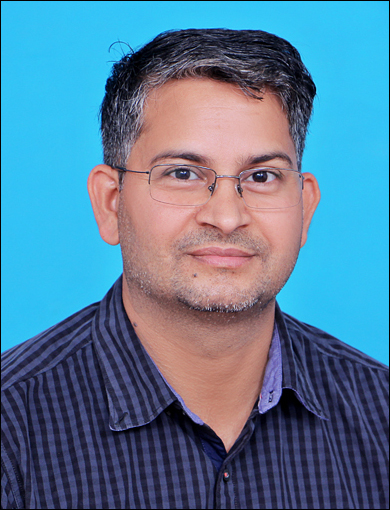
Rajesh Kumar

@aiimsrishikesh.edu.in

Associate Professor, Department of Nursing
All India Institute of Medical Sciences, Rishikesh Uttarakhand

Rajesh Kumar currently working Associate Professor at the All India Institute of Medical Sciences Rishikesh. He completed his master's in Nursing at Delhi University and Completed Ph.D. in Nursing from INC Consortium Under RGUHS, Bangalore. He is a prolific author of three nursing books and published more than 80 papers in national and international journals. He has completed Post doctorate in Nursing at Johns Hopkins University, School of Nursing, Maryland, the USA in 2021.

EDUCATION

BSN MSc N PhD N Post Doctorate in Nursing at Johns Hopkins university, USA

RESEARCH, TEACHING, or OTHER INTERESTS

Nursing, Pshychiatric Mental Health, Research and Theory, Psychiatry and Mental health
33

Scopus Publications

1394

Scholar Citations

21

Scholar h-index

39

Scholar i10-index

Scopus Publications

  • Characteristics of Pain and Factors Associated with Fatigue among First-Diagnosed Solid Malignancy Patients: A Cross-Sectional Study
    Rajesh Kumar, Aarti Rana, Alka Pasi, Parveen Parveen, Priyanka Malhotra
    Indian Journal of Palliative Care, 2026
    Objectives: Cancer-related pain and fatigue are prevalent and debilitating symptoms experienced by most cancer patients. Chronic fatigue in cancer patients leads to sleep disturbances and reduces performance status, especially during treatment. This study aims to explore characteristics of pain and factors associated with fatigue among patients with solid malignancies diagnosed for the 1 st time. Materials and Methods: This cross-sectional, prospective survey purposively included 141 patients with solid malignancies presenting for the 1 st time at a tertiary care hospital. Information was collected using a structured pre-tested socio-demographic and clinical profile, the McGill pain questionnaire and the multi-dimensional fatigue inventory-20. Relevant descriptive and inferential statistics were used to generate the results. Results: In this study, 141 patients (male 66, female 75, mean age 49.87 [standard deviation = 10.45]) were included. The most frequent pain descriptor terms were ‘pricking’ ( n = 49, 34.8%), ‘sharp’ ( n = 39, 27.7%), ‘shooting’ ( n = 33, 23.4%), ‘stabbing’ ( n = 29, 20.6%), ‘pulling’ ( n = 27, 19.1%) and ‘suffocating’ ( n = 25, 17.7%). Severe clinical insomnia was presented in 14.9% of patients. Findings reported that advanced age, informal education, distant metastasis, no pain medications, sleep disturbances and poor performance status were associated with higher fatigue in patients. Conclusion: Patients with cancer reported a multifaceted nature of pain. Cancer stage, tumour extension, performance status and sleep disturbances are among the factors associated with higher fatigue among patients. The use of evidence-based pain and fatigue management protocols, along with targeting sleep quality and performance status, may help improve the care and well-being of cancer patients.
  • Mapping LGBTQ + affirmative competencies of undergraduate medical and nursing trainees in an Indian tertiary care centre
    Ruba Sharma, Rajarajeswari Kuppuswamy, Rajesh Kumar, Meenakshi Khapre
    Discover Public Health, 2025
    Lesbian, Gay, Bisexual, Transgender, and Queer (LGBTQ) individuals face distinct healthcare needs and are vulnerable to health disparities. Inadequate knowledge and exclusionary attitudes among future nursing and medical professionals can limit care quality. This study aimed to assess knowledge and attitudes toward LGBTQ healthcare among nursing and medical students at a Tertiary Care Centre in Northern Himalayan India. In this exploratory survey, we recruited 275 nursing and medical students (nursing = 123, medical = 152) using a stratified proportionate random sampling technique. We used a structured and validated knowledge questionnaire and the Attitudes toward LGBTQ Patients Scale (ATPLS) and relevant socio-demographic details to collect information. Descriptive and inferential statistics were used to analyse the data. The mean age of the participants was 21.0 years (SD = 1.08). More than half of the medical students (61.4%) were aware of LGBTQ healthcare concerns, compared to only 38.6% of nursing students ( p = 0.031). Significant associations with knowledge of LGBTQ healthcare concerns were observed for academic stream ( p = 0.031), year of study ( p = 0.007), exposure to the LGBTQ community ( p < 0.001), and personal contact with LGBTQ individuals ( p = 0.024). Binary logistic regression analysis identified being in the fourth year of study (OR = 2.58, 95% CI: 1.235–5.374, p = 0.012) and personally knowing LGBTQ individuals (OR = 0.511, 95% CI: 0.276–0.946, p = 0.033) as significant predictors of knowledge regarding LGBTQ healthcare concerns. Overall, students have fairly adequate knowledge and feel comfortable providing care for LGBTQ persons. The findings highlight the need to add more structured and comprehensive curriculum content on LGBTQ + care and ensure wide clinical exposure for more LGBTQ + affirmative medical care.
  • Lived experiences, health-seeking behaviour, quality of life, and self-esteem among transgender women: a mixed methods study from the Northern Himalayan region
    Aanchal Thapa, Rajesh Kumar, Rajarajeswari Kuppuswamy, Mukesh Bairwa, Anindya Das
    BMC Public Health, 2025
    BACKGROUND: Transgender people are more likely to experience heightened risks of physical and psychological distress and tend to report a poorer quality of life compared to the general population. This study aimed to determine the quality of life and self-esteem, health-seeking behaviour, and to explore the lived experiences among transgender women. METHODS: Using the snowball sampling technique, 73 transgender women were included in this mixed-methods study. Quantitative data were collected through the Short-Form-12 (SF-12) and the Rosenberg Self-esteem Scale (RSES). Maximum variation sampling was employed to select 10 participants for the qualitative component, aiming to gain in-depth insights into their personal experiences and health-seeking behaviours. Appropriate descriptive and inferential statistics were applied for analysis. A thematic analysis approach was used to represent qualitative findings. RESULTS: The mean age of the participants was 30.93 (SD = 4.70) years. Findings revealed that participants had poor mental (Mean µ = 38.80) and physical (Mean µ = 38.08) health. The cohort demonstrated a notably high level of self-esteem (Mean µ = 30.93 ± 4.70). A substantial proportion (76.7%) of participants experienced discrimination or mistreatment while seeking healthcare services, stating unfavorable experiences (19.2%) and strongly unsatisfied (5.5%), whereas more than half (56.2%) avoided giving any opinions. From the qualitative analysis, three major themes emerge: discovering my true identity as transgender person, survival in a world of discrimination, violence, and trauma, and struggle with economic, professional, and legal challenges. CONCLUSIONS: In our study, participants reported lower mental and physical health, experienced discrimination, and had negative perceptions while accessing health services. The study carries important implications for the development of inclusive and high-quality healthcare services to ensure transgender people's access to and utilization of healthcare.
  • Experiences and Well-Being of Early-Career Trauma Nurses in India: A Mixed Methods Study
    Rajesh Kumar, Antima Soni, Tarannum Ahmed, Kalpana Beniwal
    Journal of Trauma Nursing, 2025
    BACKGROUND: Trauma nursing is fast-paced and high-pressure work that can affect nurses’ physical and mental health. However, these effects remain unexplored among novice trauma nurses in a newly established trauma center in India. OBJECTIVE: To examine relationships between professional quality of life, sleep disturbances, anxiety, and resilience and to explore the experiences of novice trauma nurses in a newly established trauma center in India. METHODS: This sequential mixed-methods study was conducted between April and June 2024 in a newly established trauma center in India. A purposive sample of 80 nurses was surveyed using a demographic questionnaire, the Brief Resilience Scale, the Generalized Anxiety Disorder Scale, the Insomnia Severity Index, and the Professional Quality of Life Scale. Nine nurses were interviewed to explore their trauma experiences. The analysis included descriptive and inferential statistics, bootstrap-based mediation testing, and thematic content analysis. RESULTS: A total of 80 nurses completed the survey (response rate: 67.8%) with a mean age of 27.7 years (standard deviation [SD] = 2.89) and average years of trauma experience of 2.08 years (SD = 1.93). Higher compassion satisfaction correlated with fewer sleep disturbances (r = −.23, p = .037). Burnout positively correlated with anxiety (r = .24, p = .033) and sleep disturbances (r = .34, p = .023), and negatively with nurses’ resilience (r = −.12, p = .049). Professional quality of life significantly correlated with resilience (r = .18, p = .048). Resilience mediated the relationship between anxiety and both burnout (β = .24, bootstrap confidence interval [BCI] = 0.04, 0.46, p = .041) and secondary traumatic stress (β = .24, BCI = 0.03, 0.52, p = .029). Qualitative analysis revealed three major themes: personal and professional adaptation to trauma life, adverse physical and psychological issues, and challenges faced in trauma care. CONCLUSION: Our findings highlight the adverse impact of trauma nursing on sleep, resilience, anxiety, and professional quality of life among novice nurses in a newly established Level I trauma center in India. Targeted interventions are required to enhance resilience and mitigate the impact of caring for trauma patients.
  • Effect of cognitive behavior therapy on abstinence among healthy smokers: a systematic review and meta-analysis of randomized controlled trials
    Rajesh Kumar, Priyanka Malhotra, Vishwas AS, Kalpana Beniwal, Gopal Singh Charan
    Osong Public Health and Research Perspectives, 2025
    Objectives: The objectives of this review and meta-analysis were twofold: first, to critically evaluate the effectiveness of cognitive behavioral therapy (CBT)-based interventions relative to standard care or control conditions in promoting smoking abstinence at the end of treatment, and second, to determine abstinence rates at 3 and 6 months of follow-up.Methods: A comprehensive search of electronic databases, including PubMed, Cochrane Library, PsycINFO, Embase, and ClinicalTrials.gov, was conducted for randomized controlled trials published from 2001 to September 2024. Studies evaluating the effect of CBT on abstinence rates among healthy smokers (aged ≥12 years) were included and analyzed according to the Preferred Reporting Items for Systematic Reviews and Meta-Analyses guidelines.Results: Out of 1,514 study records screened, 7 studies (comprising 17 arms and 1,438 participants) met eligibility criteria for inclusion in the final analysis. The pooled analysis revealed that CBT significantly improved smoking abstinence rates, demonstrating a fourfold increase in effectiveness compared to controls (odds ratio [OR], 4.04; 95% confidence interval [CI], 2.73–5.99; I2=19%; p&lt;0.00001). Additionally, CBT significantly impacted smoking cessation at 3-month follow-up (OR, 1.62; 95% CI, 1.11–2.38; I2=0%; p=0.01) and 6-month follow-up (OR, 2.19; 95% CI, 1.59–3.00; I2=0%; p&lt;0.00001).Conclusion: CBT has demonstrated efficacy in facilitating smoking abstinence, particularly immediately after treatment, with sustained but diminished effects over time. However, robust conclusions on the efficacy of CBT require further studies involving larger sample sizes, diverse geographical regions, and longer follow-up periods.
  • Effects of non-pharmacological interventions in depression and anxiety in children and adolescents: A systematic review and meta-analysis of randomized controlled trials
    Rajesh Kumar, Maya Sahu, Kalpana Beniwal, Yogesh Bahurupi, Anindya Das
    Medical Journal Armed Forces India, 2025
  • Challenges faced by doctors and nurses in the emergency department: An integrated review
    Gopal Singh Charan, Raman Kalia, Sunil Kumar Dular, Rajesh Kumar, Kiranpreet Kaur
    Journal of Education and Health Promotion, 2025
    Healthcare professionals in emergency departments (EDs) navigate multifaceted challenges, including strenuous environments and complex situations inherent to this high-pressure setting. This research examines the dynamics of emergency medicine, highlighting issues such as ED overcrowding, resource constraints, the emotional and ethical dilemmas of end-of-life care, and the implications of integrating advanced technologies like Radio Frequency Identification (RFID). The study paves the way for potential policy reforms, educational advancements, and administrative strategies to enhance healthcare delivery in emergencies by analyzing these challenges in detail. We used thorough review methodology to analyze global evidence from 2002 to 2023, systematically searching databases like MEDLINE, Web of Science, ProQuest, and Google Scholar with a blend of search terms, Medical Subject Headings (MeSH), refining the search strategy with Boolean operators “AND” and “OR” to improve search results. A PRISMA flow diagram aided the careful selection of studies, while Zotero-6 helped remove duplicates. This collaborative process pinpointed key areas of interest, such as workload, burnout, ethics, and technology in emergency care, ensuring comprehensive review. We focused on including peer-reviewed English articles from the last twenty years, covering review articles, original research, systematic reviews, and meta-analyses. We excluded unpublished theses and nonrelevant studies. This approach provided detailed overview of the challenges and complexities characterizing the emergency care landscape, suggesting ways to enhance practice and policy.
  • Trauma and Resilience
    Tamar U. Rodney, Pearl Ed Cuevas, Thitipong Tankampuan, Rajesh Kumar, Veroina Deslandes, et al.
    Trauma Informed Care Practical Skills for Nurses, 2025
  • Trauma Exposure and Symptom Presentations
    Chitchanok Benjasirisan, Pearl Ed Cuevas, Veroina Deslandes, Rajesh Kumar, Tamar U. Rodney, et al.
    Trauma Informed Care Practical Skills for Nurses, 2025
  • Addressing Trauma: Reshaping the Future
    Chitchanok Benjasirisan, Pearl Ed Cuevas, Veroina Deslandes, Louise Isham, Suratsawadee Kruahong, et al.
    Trauma Informed Care Practical Skills for Nurses, 2025
  • Perceived risk of infection, ethical challenges and motivational factors among frontline nurses in Covid-19 pandemic: prerequisites and lessons for future pandemic
    Parul Chaudhary, Payal, Pooja Nain, Pooja, Pooja Rana, Pooja Verma, Pooja Yadav, Poonam, Prerna, Geetika Kashyap, Rajesh Kumar
    BMC Nursing, 2024
  • Experiences of the family caregivers of persons with schizophrenia in north Indian region: A qualitative inquiry
    Antima Soni, Rajesh Kumar, Anindya Das
    Archives of Psychiatric Nursing, 2024
  • Sexual dysfunction, marital relationship, and subjective quality of life among women with schizophrenia: Analytical case‑control study
    Puja Kumari, Rajesh Kumar, Jitendra Rohilla
    Indian Journal of Psychiatry, 2024
  • Translation, Cultural Adaptation, and Psychometric Properties of Hindi Rosenberg Self-esteem Scale in University Nursing Students
    Aachal, Rajesh Kumar, Yogesh Bahurupi
    Indian Journal of Psychological Medicine, 2024
  • Navigating the Pedagogical Landscape: Exploring the Implications of AI and Chatbots in Nursing Education
    Muthuvenkatachalam Srinivasan, Ambili Venugopal, Latha Venkatesan, Rajesh Kumar
    Jmir Nursing, 2024
  • Essentials of Psychiatry and Mental Health Nursing I and II_2e, Second Edition
    Essentials of Psychiatry and Mental Health Nursing I and II 2e, 2023
  • Psychosocial well-being and quality of life in women with breast cancer in foothills of North India
    Rajesh Kumar, Rajesh Pasricha, Manoj Kumar Gupta, Bina Ravi
    Journal of Cancer Research and Therapeutics, 2023
  • A longitudinal cohort study on assessing the impact of COVID-19 pandemic on the mental health of cancer care providers: Developing world scenario
    A. Thaduri, A. Sehrawat, D. Poonia, Anindya Das, Rajesh Kumar, A. Varghese, L. Chadha, R. Seenivasagam, P. Garg, Deepak Sundryal, M. Gupta
    Journal of Head and Neck Physicians and Surgeons, 2023
  • Psychological predictors of adherence to self-care behaviour amongst patients with type 2 diabetes mellitus (T2DM) visiting public hospital, North India
    Rajesh Kumar, Divya Rana, Ravi Kant
    Indian Journal of Endocrinology and Metabolism, 2022
  • Psychological distress and coping styles among baccalaureate nursing students: Promoting mental health of future nurses in COVID‑19 pandemic
    Rajesh Kumar, Ankita Sharma
    Journal of Education and Health Promotion, 2022
  • Pandemic Fatigue in Nursing Undergraduates: Role of Individual Resilience and Coping Styles in Health Promotion
    Rajesh Kumar, Kalpana Beniwal, Yogesh Bahurupi
    Frontiers in Psychology, 2022
  • Prevalence of Sexual Dysfunction in Women With Depression: Need for Psychosexual Health Promotion Approach
    Surbhi Chandel, Rajesh Kumar, Jitendra Rohilla
    Journal of Psychosexual Health, 2022
  • Body image distress among cancer patients: needs for psychosocial intervention development
    Nikita, Ruchika Rani, Rajesh Kumar
    Supportive Care in Cancer, 2022
  • Efficacy of Motivational Interviewing and Brief Interventions on tobacco use among healthy adults: A systematic review of randomized controlled trials
    Rajesh Kumar, Maya Sahu, Tamar Rodney
    Investigacion Y Educacion En Enfermeria, 2022
  • COVID-19 vaccine acceptability, determinants of potential vaccination, and hesitancy in public: A call for effective health communication
    Rajesh Kumar, M. Bairwa, Kalpana Beniwal, Ravi Kant
    Journal of Education and Health Promotion, 2021
  • Predictors of critical illness and mortality based on symptoms and initial physical examination for patients with SARS-CoV-2: A retrospective cohort study
    Mukesh Bairwa, Rajesh Kumar, Mohammed Ajmal, Yogesh Bahurupi, Ravi Kant
    Journal of Infection and Public Health, 2021
  • Hematological profile and biochemical markers of COVID-19 non-survivors: A retrospective analysis
    Mukesh Bairwa, Rajesh Kumar, Kalpana Beniwal, Deepjyoti Kalita, Yogesh Bahurupi
    Clinical Epidemiology and Global Health, 2021
  • Efficacy of standard nicotine replacement therapy (NRT) versus video-assisted nurse-led NRT on tobacco cessation: A randomized controlled pilot trial
    Hoineiting Rebecca Haokip, Dr Rajesh Kumar, Dr Vikram Singh Rawat, Dr Suresh Kumar Sharma
    Clinical Epidemiology and Global Health, 2021
  • Corona health-care warriors in India: Knowledge, attitude, and practices during COVID-19 outbreak
    Yogesh Bahurupi, Rajesh Kumar, Vanya Singh, Aroop Mohanty, PuneetKumar Gupta
    Journal of Education and Health Promotion, 2021
  • Determinants of COVID-19 Vaccination Willingness among Health Care Workers: A Quick Online Survey in India
    Rajesh Kumar, Kalpana Beniwal, Yogesh Bahurupi, Ravi Kant, Mukesh Bairwa
    Korean Journal of Family Medicine, 2021
  • Awareness, perception, and mitigating measures on COVID-19: Do we still need to educate our masses on COVID-19?
    M. Bairwa, Rajesh Kumar, P. Yadav, Y. Bahurupi, Ravi Kant
    Journal of Education and Health Promotion, 2021
  • Insulin resistance markers among type 2 diabetes mellitus north Indian patients: A preliminary hospital-based study
    Research Journal of Biotechnology, 2020
  • Factors Affecting Quality of Life among Post-Stroke Patients in the Sub-Himalayan Region
    Tarannum Ahmed, Tamanna, Rajesh Kumar, Yogesh Bahurupi
    Journal of Neurosciences in Rural Practice, 2020

RECENT SCHOLAR PUBLICATIONS

  • Lived experiences, health-seeking behaviour, quality of life, and self-esteem among transgender women: a mixed methods study from the Northern Himalayan region
    A Thapa, R Kumar, R Kuppuswamy, M Bairwa, A Das
    BMC Public Health 25 (1), 3836 , 2025
    2025
    Citations: 2
  • Mapping LGBTQ+ affirmative competencies of undergraduate medical and nursing trainees in an Indian tertiary care centre
    R Sharma, R Kuppuswamy, R Kumar, M Khapre
    Discover Public Health 22 (1), 490 , 2025
    2025
  • Trauma and Resilience
    T Rodney, PE Cuevas, T Tankampuan, R Kumar, V Deslandes, ...
    Trauma Informed Care: Practical Skills for Nurses, 151-164 , 2025
    2025
  • Trauma Exposure and Symptom
    V Deslandes, R Kumar, T Rodney
    Trauma Informed Care: Practical Skills for Nurses, 105 , 2025
    2025
  • Experiences and Well-Being of Early-Career Trauma Nurses in India: A Mixed Methods Study
    R Kumar, A Soni, T Ahmed, K Beniwal
    Journal of Trauma Nursing| JTN 32 (4), 189-200 , 2025
    2025
    Citations: 1
  • Effect of cognitive behavior therapy on abstinence among healthy smokers: a systematic review and meta-analysis of randomized controlled trials
    R Kumar, P Malhotra, K Beniwal, GS Charan
    Osong Public Health and Research Perspectives 16 (3), 223 , 2025
    2025
    Citations: 4
  • Effects of non-pharmacological interventions in depression and anxiety in children and adolescents: A systematic review and meta-analysis of randomized controlled trials
    R Kumar, M Sahu, K Beniwal, Y Bahurupi, A Das
    Medical Journal Armed Forces India 81 (2), 139-150 , 2025
    2025
    Citations: 4
  • Challenges faced by doctors and nurses in the emergency department: An integrated review
    GS Charan, R Kalia, SK Dular, R Kumar, K Kaur
    Journal of Education and Health Promotion 14 (1), 2 , 2025
    2025
    Citations: 26
  • Parental support and acceptance of LGBTQ+ children: Integrated review
    GS Charan, R Kalia, R Kumar, SK Dular, RD Avasthi, E Kaur
    Journal of Chitwan Medical College 14 (4), 4-14 , 2024
    2024
    Citations: 2
  • Influence of perceived impostorism on self-esteem and anxiety among University Nursing Students: Recommendations to implement mentorship program
    D Bhardwaj, R Kumar, Y Bahurupi
    Journal of Family Medicine and Primary Care 13 (12), 5745-5751 , 2024
    2024
    Citations: 7
  • Experiences of the family caregivers of persons with schizophrenia in north Indian region: A qualitative inquiry
    A Soni, R Kumar, A Das
    Archives of Psychiatric Nursing 51, 17-24 , 2024
    2024
    Citations: 13
  • Navigating the pedagogical landscape: exploring the implications of AI and chatbots in nursing education
    M Srinivasan, A Venugopal, L Venkatesan, R Kumar
    JMIR nursing 7 (1), e52105 , 2024
    2024
    Citations: 106
  • Sexual dysfunction, marital relationship, and subjective quality of life among women with schizophrenia: Analytical case-control study
    P Kumari, R Kumar, J Rohilla
    Indian Journal of Psychiatry 66 (3), 280-286 , 2024
    2024
    Citations: 6
  • Perceived risk of infection, ethical challenges and motivational factors among frontline nurses in Covid-19 pandemic: prerequisites and lessons for future pandemic
    P Chaudhary, Payal, P Nain, Pooja, P Rana, P Verma, P Yadav, Poonam, ...
    BMC nursing 23 (1), 5 , 2024
    2024
    Citations: 26
  • Translation, cultural adaptation, and psychometric properties of hindi rosenberg self-esteem scale in university nursing students
    Aachal, R Kumar, Y Bahurupi
    Indian Journal of Psychological Medicine, 02537176241276150 , 2024
    2024
    Citations: 9
  • Essentials of Psychiatry and Mental Health Nursing I and II_2e-E-Book
    R Kumar
    Elsevier Health Sciences , 2023
    2023
    Citations: 2
  • Nurses’ Awareness, Perception and Practices Regarding Antibiotic Use: A Call for Setting up an Antimicrobial Stewardship Programme
    R Mishra, R Rani, M Sharma, R Kumar
    Journal of Medical Evidence 4 (3), 235-240 , 2023
    2023
    Citations: 1
  • Psychosocial well-being and quality of life in women with breast cancer in foothills of North India
    R Kumar, R Pasricha, MK Gupta, B Ravi
    Journal of cancer research and therapeutics 19 (5), 1176-1185 , 2023
    2023
    Citations: 11
  • A longitudinal cohort study on assessing the impact of COVID-19 pandemic on the mental health of cancer care providers: Developing world scenario
    A Thaduri, A Sehrawat, DR Poonia, A Das, R Kumar, A Varghese, ...
    Journal of Head & Neck Physicians and Surgeons 11 (1), 59-65 , 2023
    2023
    Citations: 3
  • Severe acute respiratory syndrome coronavirus 2 omicron variant and psychological distress among frontline nurses in a major COVID-19 center: implications for supporting …
    H Dahiya, H Goswami, C Bhati, E Yadav, D Tripathi, D Rani, G Pal, ...
    Journal of Primary Care Specialties 4 (1), 10-16 , 2023
    2023
    Citations: 8

MOST CITED SCHOLAR PUBLICATIONS

  • Stress and coping strategies among nursing students
    R Kumar, Nancy
    Nursing and Midwifery Research Journal 7 (4), 141-51 , 2011
    2011
    Citations: 124
  • Navigating the pedagogical landscape: exploring the implications of AI and chatbots in nursing education
    M Srinivasan, A Venugopal, L Venkatesan, R Kumar
    JMIR nursing 7 (1), e52105 , 2024
    2024
    Citations: 106
  • Burden and coping strategies in caregivers of stroke survivors
    RK Kumar R , Kaur S
    Journal of neurology and neurosciences 1 (-), 1-5 , 2015
    2015
    Citations: 74
  • Knowledge of staff nurses regarding legal and ethical responsibilities in the field of psychiatric nursing
    RK Santosh Mehta, Raminder Kalra
    Nursing and Midwifery Research Journal 7 (1), 1-11 , 2011
    2011
    Citations: 69
  • Effect of Vitamin B6, B9, and B12 Supplementation on Homocysteine Level and Cardiovascular Outcomes in Stroke Patients: A Meta-Analysis of Randomized Controlled Trials
    VK Neetu kataria, poonam Yadav, Rajesh Kumar, Niraj kumar, Mritunjai singh ...
    Cureus 13 (5), doi:10.7759/cureus.14958 , 2021
    2021
    Citations: 62
  • Hematological profile and biochemical markers of COVID-19 non-survivors: A retrospective analysis
    M Bairwa, R Kumar, K Beniwal, D Kalita, Y Bahurupi
    Clinical Epidemiology and Global Health 11, 100770 , 2021
    2021
    Citations: 60
  • Corona health-care warriors in India: knowledge, attitude, and practices during COVID-19 outbreak
    R Kumar, V Singh, A Mohanty, Y Bahurupi, PK Gupta
    Journal of Education and Health Promotion 10 (1), 44 , 2021
    2021
    Citations: 55
  • Promoting Mental Health of Nurses During the Coronavirus Pandemic: Will the Rapid Deployment of Nurses' Training Programs During COVID-19 Improve Self-Efficacy and Reduce Anxiety?
    R Dhara S, Kumar
    Cureus 13 (5) , 2021
    2021
    Citations: 49
  • Resilience, psychological well-being, and coping strategies in medical students
    R Kumar
    Indian Journal of Psychiatric Nursing 16 (2), 92-97 , 2019
    2019
    Citations: 39
  • Needs, Burden, Coping and Quality of Life in Stroke Caregivers- A Pilot Survey
    KR Kaur S, Reddemma K
    Nursing and Midwifery Research Journal 11 (2), 57-67 , 2015
    2015
    Citations: 36
  • Factors affecting quality of life among post-stroke patients in the Sub-Himalayan region
    T Ahmed, R Kumar, Y Bahurupi
    Journal of Neurosciences in Rural Practice 11 (4), 616 , 2020
    2020
    Citations: 29
  • Body image distress among cancer patients: needs for psychosocial intervention development
    Nikita, R Rani, R Kumar
    Supportive Care in Cancer 30 (7), 6035-6043 , 2022
    2022
    Citations: 28
  • Pandemic fatigue in nursing undergraduates: role of individual resilience and coping styles in health promotion
    R Kumar, K Beniwal, Y Bahurupi
    Frontiers in Psychology 13, 940544 , 2022
    2022
    Citations: 27
  • Challenges faced by doctors and nurses in the emergency department: An integrated review
    GS Charan, R Kalia, SK Dular, R Kumar, K Kaur
    Journal of Education and Health Promotion 14 (1), 2 , 2025
    2025
    Citations: 26
  • Perceived risk of infection, ethical challenges and motivational factors among frontline nurses in Covid-19 pandemic: prerequisites and lessons for future pandemic
    P Chaudhary, Payal, P Nain, Pooja, P Rana, P Verma, P Yadav, Poonam, ...
    BMC nursing 23 (1), 5 , 2024
    2024
    Citations: 26
  • Organizational Role Stress and Job Satisfaction Among Nurses
    KR Dhillon A, Kaur G
    Journal of Mental Health and Human Behaviour (JMHHB) 20 (2), 71-75 , 2015
    2015
    Citations: 26
  • Efficacy of Motivational Interviewing and Brief Interventions on tobacco use among healthy adults: A systematic review of randomized controlled trials
    R Kumar, M Sahu, T Rodney
    Investigacion y educacion en enfermeria 40 (3) , 2022
    2022
    Citations: 25
  • Self-Directed Learning Readiness and Learning Styles among Nursing Undergraduates
    A Kaur, P Lakra, R Kumar
    Nursing & Midwifery Research Journal 16 (1), 40-50 , 2020
    2020
    Citations: 24
  • Digital health: A panacea in COVID-19 crisis
    R Rani, R Kumar, R Mishra, SK Sharma
    Journal of Family Medicine and Primary Care 10 (1), 62-65 , 2021
    2021
    Citations: 23
  • Extent of Burden and Coping Strategies among Caregivers of Mentally-ill Patients
    SR Kumar Rajesh
    Nursing and Midwifery Research Journal 8 (4), 274-284 , 2012
    2012
    Citations: 23