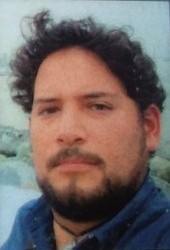
His research interest is based in marine mammal sciences with focus in conservation, ecology, pathology and clinical veterinary medicine, rehabilitation protocols for animal care, and field research on morphoanatomy, biology, ethology and applied conservation medicine of free ranging marine mammals, sea-turtles and penguins. Important steps that Dr. Yaipen-Llanos has taken along his career include the report of the first case of cancer in South American sea-lions, achieving to develop a fully operational Stranding Network for rescue and medical attention of marine mammals in Peru, and reporting to the world the largest unusual mortality event of dolphins ever recorded. He works with 28 marine mammal species, 5 species of sea-turtles and 2 species of penguins; assisting over 1500 live specimens and overviewed over 7000 forensic cases under current long-term research programs. He is also involved in sustainable development strategies specifically for public awareness and education.
EDUCATION
Graduated from the first generation of the Veterinary Science School of Alas Peruanas University of Peru, he received specialized training as a marine mammalogist at Mote Marine Laboratory in Florida U.S:A. and at The Marine Mammal Center, in Sausalito, Carlifornia, U.S.A. He is Founder President and Director of Science & Animal Welfare of the Organization for Research and Conservation of Aquatic Animals - ORCA- in Peru. Currently leads the only authorized organization for rescue and release of marine mammals in the wild after rehabilitation. He is a member of the Society for Marine Mammalogy and the Veterinary Medicine College of Peru for over 20 years, he is current member of the Scientific Committee of the International Whaling Comission, and he is also a founding member of the civic committee of the Police for Protection of the Environment in Peru.
RESEARCH, TEACHING, or OTHER INTERESTS
Aquatic Science, Animal Science and Zoology, Ecology, Evolution, Behavior and Systematics, Conservation
4
Scopus Publications
Scopus Publications
The Pinniped Entanglement Group: Standardizing global data for effective solutions to pinniped entanglement Rebecca Ruth McIntosh, Kimberly Raum-Suryan, Dave Zahniser, Daniela Barcenas de la Cruz, Laura Boren, Machteld Geut, Carolin Philipp, Elizabeth Hogan, Dan Jarvis, Shawn Johnson, Mark Keenan, J. Scott Leonard, Diego Páez Rosas, Holly Raudino, Kathryn Rose, Ana Rubio-Garcia, Sue Sayer, Bianca Unger, Kelly Waples, Carlos Yaipen-Llanos Marine Pollution Bulletin, 2026 Entanglement in fishing gear and marine debris is a global threat to pinnipeds. Successful mitigation requires standardized methods and cooperation. The international Pinniped Entanglement Group (PEG), formed in 2009, is dedicated to this effort, through entanglement prevention, response, and education. Here, we report that at least 76% of pinniped species are affected by entanglement (25 of 33 extant species) with fur seals and sea lions more affected than true seals. Commercial and recreational fishing gear caused more harm than other marine debris. Global maps of entangled pinnipeds indicate that unreported species likely represent data deficiency rather than lack of impact. Entanglement data collection methods affect results, and while standardization is difficult to achieve, transparent and detailed methods will aid robust comparisons to target mitigation. We demonstrate the scale of entanglement threat and provide a contemporary review of the literature, PEG member data and mitigation including outreach and working with industry.
An Investigation into How Marine Mammal Distribution Is Being Affected by Climate Change, with a Focus on Out of Habitat Marine Mammals, Based on Expert Opinion Maia Killian, Laetitia Nunny, Dan Jarvis, Lewis Griffin, Carlos Yaipen-Llanos, Anna Pili, Mark Simmonds Diversity, 2026 Climate change is altering the marine environment in many ways, including increasing sea surface temperatures and decreasing sea ice. Species distributions are changing and ‘out of habitat’ marine mammals are being recorded. ‘Out of habitat’ (OOH) refers to individuals recorded outside of their natural range or within environments unsuitable for their survival. This phenomenon is currently understudied. This study aimed to identify the scale of the issue, identify consensus opinions on trends and possible causes of these OOH events, as well as assessing the preparedness of local authorities and rescue networks in responding to OOH marine mammals. This study is the first to assess and quantify this issue through a formal consultation process, conducted through an online questionnaire and a detailed examination of two case studies, from the UK and Peru. Sixty-three questionnaire responses were received from six different continents and the majority (60%) reported OOH events in their region. Through the questionnaire and case studies, 42 different marine mammal species were reported to be affected. This clearly indicates this is a global phenomenon, affecting at least 32% of all known pinniped and cetacean species. Most participants (77%) also believed these OOH events are increasing, and 55% believe these events are forerunners to distribution changes. Data from Peru showed an endangered species, the Galápagos fur seal (Arctocephalus galapagoensis), had made a range shift. Of the reported OOH species, four are classified as either endangered or critically endangered. The consensus opinion was that climate change is the leading driver of these OOH events, with sea surface temperatures and changes in prey distribution reported as the most important factors. The success of OOH responses was reported as highly inconsistent and, in many cases, requires specialist training, e.g., in human–wildlife conflict. The information derived from this study can be used to advise conservation plans, as well as provide a foundational step for future research into the possible trends in these OOH movements.