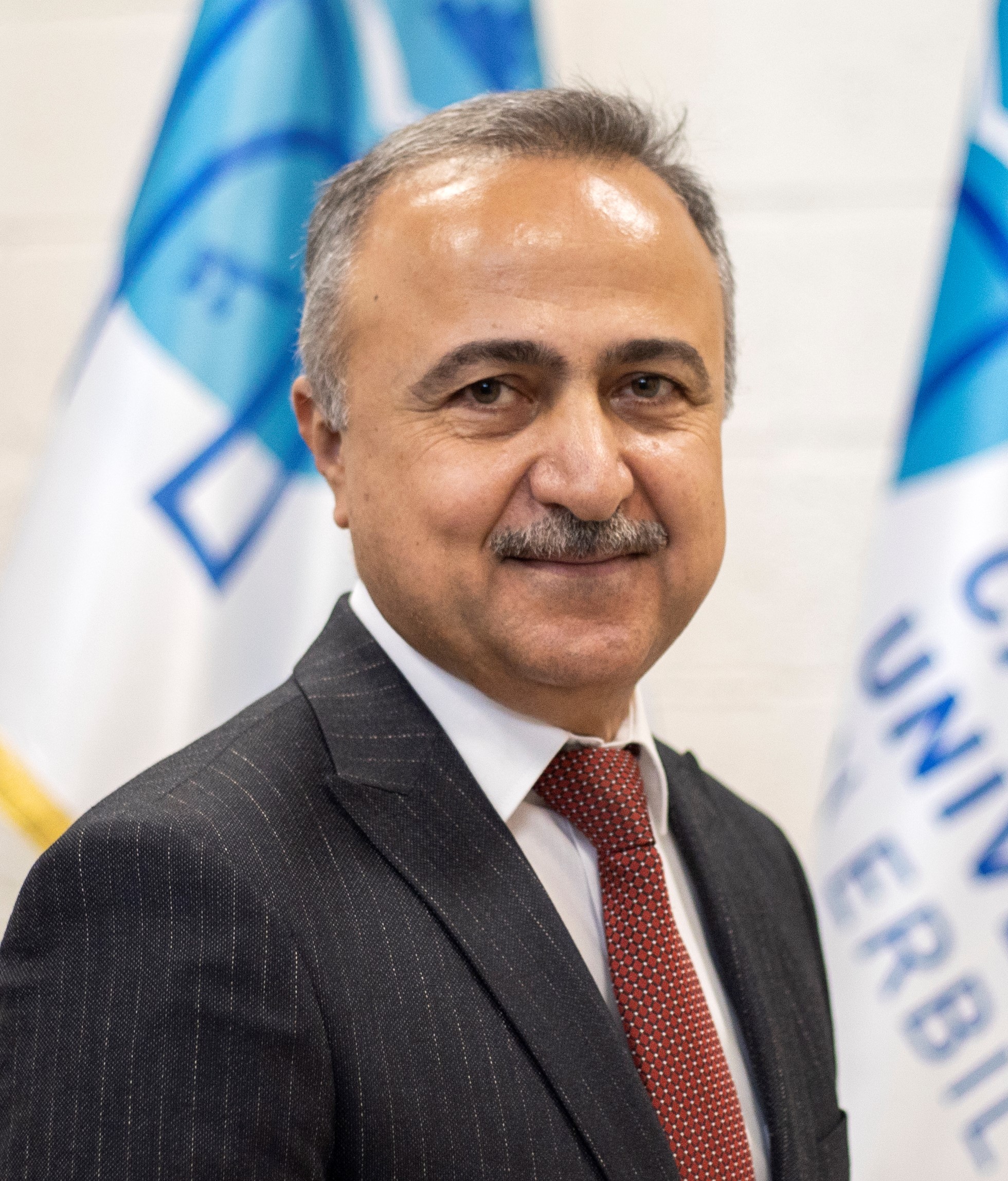
Nazar P Shabila has MSc degree in Public Health in Developing Countries from London School of Hygiene and Tropical Medicine and PhD in Community Medicine from Hawler Medical University. He is professor of public health at Catholic University in Erbil, Erbil, Iraq. He teaches different courses including epidemiology of communicable disease, health economics, health information and demography. He has more than 75 publications. His current research work is mainly related to health services research, women’s and reproductive health and conflict and health. Before pursuing the academic career, he established seven years of experience in the humanitarian relief field through working with the ICRC and UNOPS-IDPs Project on addressing the needs of the internally displaced people.
EDUCATION
PhD Community Health
MSc Public Health in Developing Countries
MBChB
RESEARCH INTERESTS
Conflict and Health, Health services research, Communicable diseases, Women's Health
78
Scopus Publications
2348
Scholar Citations
28
Scholar h-index
57
Scholar i10-index
Scopus Publications
Health-seeking behavior and the related out-of-pocket expenditure for noncommunicable diseases in Erbil, Iraq: a quantile regression analysis Mariwan Haweel Saka, Nazar P. Shabila, Sherzad A. Shabu Journal of Health Population and Nutrition, 2026 BACKGROUND: Noncommunicable diseases (NCDs) are complex and chronic in nature, often requiring long-term follow-up and care, which can lead to increased healthcare costs. This study aimed to evaluate health-seeking behavior and out-of-pocket healthcare expenditures for NCDs among patients in Erbil, Iraq. METHODS: This cross-sectional study involved a convenience sample of adult patients with NCDs visiting a private internal medicine center in Erbil City. A questionnaire was used to collect data on sociodemographic characteristics, NCD characteristics, health-seeking behavior, and the average monthly cost of NCDs. Multiple quantile regression analysis was performed to examine the variables associated with the total cost. RESULTS: Most participants get their NCD medicines from private pharmacies through out-of-pocket payments (96.0%). The median (IQR) cost of medications for NCDs per month was 70,000 (35,000-125,000) Iraqi Dinars (IQD), i.e., approximately US$48.3 (24.1-86.2). The median total out-of-pocket expenditures for all aspects of NCDs was 106,000 (60,000-184,500) IQD, i.e., approximately US$73.1 (41.4-126.9). Most participants indicated that out-of-pocket expenses for NCD treatment constitute an important financial burden on their households (74.4%). The total out-of-pocket expenditure for NCDs per month was statistically significantly higher among older age group (P < 0.001), those with no formal education (P = 0.002), those not working or with manual work (P = 0.003), those have more NCDs (P < 0.001), those with cardiovascular diseases (P < 0.001), those who get their medications from the private sector, those with better control of their NCDs (P = 0.002), those with complications of NCDs (P < 0.001), and those with good adherence (P = 0.001). CONCLUSION: This study reveals the significant financial burden caused by out-of-pocket expenditures for NCD care. As most individuals with NCDs rely on private pharmacies for medication, the associated costs, particularly for those managing multiple conditions, represent a substantial challenge for households. There is a need for improved financial protection mechanisms and expanded access to affordable NCD care. Future research should examine the impact of health insurance coverage and public-sector interventions on reducing out-of-pocket expenditures and improving access to NCD care in Iraq.
Prevalence and determinants of physical activity, leisure exercise, and sedentary behavior in women in Erbil: cross-sectional findings Nazar P. Shabila, Sherzad A. Shabu, Manhal N. Boya, Mariwan H. Saka, Abubakir M. Saleh, Hamdia M. Ahmed, Sahar M. Zaki, Delér Shakely Discover Public Health, 2026 Physical activity is vital for preventing chronic diseases and promoting well-being, yet data on women’s activity levels in the Kurdistan Region of Iraq are scarce. This study aimed to determine the prevalence, patterns, and determinants of physical activity, leisure-time exercise, and sedentary behavior among a sample of women in Erbil, Kurdistan Region of Iraq. This cross-sectional study was conducted among 540 women in Erbil, Kurdistan Region of Iraq, from November 7, 2022, to February 22, 2023. Participants completed a validated Kurdish translation of the Global Physical Activity Questionnaire to measure physical activity domains and sedentary time. Overall, 31.5% (95% CI 27.6–35.4) met physical activity guidelines, with a significantly higher prevalence among non-manual/manual employees versus professionals (40.7% vs. 23.3%, P = 0.006) and among women outside the city center versus inside (52.1% vs. 29.5%, P = 0.001). Multivariable analysis showed that women residing outside the city center were significantly more likely to meet guidelines than city residents (aOR = 2.6, 95% CI 1.4–4.7, P = 0.002). Only 14.8% (95% CI 11.8–17.8) engaged in regular leisure-time exercise, with no significant sociodemographic associations in univariate analysis; however, multivariable analysis showed that women with postgraduate studies were significantly more likely to engage in sufficient leisure-time exercise compared to those with high school and below education (aOR = 3.0, 95% CI 1.3–6.8, P = 0.009). High sedentary behavior (≥ 8 h/day) was reported by 33.1% (95% CI 29.2–37.1), significantly (P < 0.001) higher among younger (41.2%), single (47.3%), less educated (45.2%), and students (52.8%). Multivariable analysis showed that single women were significantly more likely to exhibit high sedentary behavior than ever-married women (aOR = 2.9, 95% CI 1.9–4.4, P < 0.001). This study revealed notably low levels of physical activity among the participating women, particularly in regular leisure-time exercise, and a high prevalence of sedentary behavior. The results suggest that culturally tailored strategies to promote active lifestyles among middle-aged and older women, as well as targeted interventions to reduce sedentary time, particularly among students, may be beneficial.
Assessment of the primary healthcare structure in the Kurdistan Region of Iraq: a narrative review Nazar P. Shabila Family Medicine and Primary Care Review, 2026 The structure of the primary care system provides important conditions for the process of care and its outcomes.The structure of primary care includes three dimensions: governance, economic conditions, and workforce development.There is a dreadful need to reorganize and restructure the primary care system in the Kurdistan Region of Iraq as part of the whole health system.However, limited publications discuss the challenges and needs of the primary care system in an organized and comprehensive manner.Therefore, this study reviewed the relevant literature to evaluate the structure dimension of the primary care system in the Kurdistan Region of Iraq and to determine its challenges, needs, opportunities, and potential barriers to improvement.The primary healthcare system in the Kurdistan Region of Iraq faces significant challenges, including poor governance, inadequate funding, and workforce misallocation.Weak planning, ineffective monitoring, underdeveloped infrastructure, and conflicts of interest between the public and private sectors hinder its efficiency.Limited financial investment and centralized decision-making further delay urgent health interventions.Additionally, the increasing number of specialists working in primary care centers undermines the core principles of family medicine.Key priorities to improve the system include strengthening governance through better leadership and service organization, adopting family medicine practices, ensuring proper financial decentralization, and enhancing workforce development by prioritizing the training and recruitment of qualified family physicians.
A Qualitative Investigation into Childbearing Preferences Among Kurdish Women in Erbil Abubakir M. Saleh, Aveen Hajimam, Vian Haji Rasul, Muaf Abdullah Kareem, Hawraz Faris Saadi, et al. Passer Journal of Basic and Applied Sciences, 2026 Childbearing is one of the most significant experiences in a woman's life. Childbearing preferences can shape how women deal with important experiences and how the health system plans for pregnant women to meet their expectations. This study aimed to develop a deep understanding of women's preferences regarding childbearing. A qualitative study of 16 women was conducted in Erbil, Kurdistan Region, Iraq, from April to May 2022. The women were aged 20 to 34 and had two or more children. The required data were gathered through in-depth, semistructured interviews with participants. The interviews were recorded and transcribed verbatim. The scripts were analyzed using six standard methodological activities, and the themes were extracted. Analyzing the transcripts revealed a main theme, labeled "big changes in childbearing preferences," indicating a significant shift in the number of children compared to the participants' mothers and grandmothers. This theme had three subthemes: "political situation," "economic uncertainty," and "social awareness," which together significantly influenced childbearing preferences, particularly toward fewer children and less sensitivity to the gender of children. Challenging economic and political conditions influence the observed changes in women's childbearing preferences. While these changes may have positive aspects, further exploration is needed to fully understand their implications. Raising public awareness through targeted programs and social media could help ensure that any shifts in preferences are more intentional and informed, potentially improving outcomes for mothers and children.
ASSESSMENT OF THE PRIMARY HEALTH CARE PROCESS IN THE KURDISTAN REGION OF IRAQ: A FOCUSED REVIEW Nazar Shabila Asia Pacific Journal of Health Management, 2025 There is an urgent need to restructure and improve the primary health care system in the Kurdistan Region of Iraq as part of broader health system reforms. However, there is a significant gap in the literature, as few publications provide a comprehensive and structured analysis of the challenges, needs, and opportunities within this system. Therefore, this review addresses this gap by assessing the primary care process component, identifying key barriers, and highlighting opportunities for improvement. There are significant impediments to primary care delivery. Inappropriate service delivery is primarily due to the irrational use of services, poor referral systems, and irrational treatment. Easy accessibility and almost free-of-charge service delivery are the main features of the access dimension. However, these features frequently result in overutilization and affordability concerns due to the lack of all required services and the reliance on the private sector. The lack of a well-established family medicine system and the inability of people to have a doctor are considered impediments to proper longitudinal continuity of care. The ineffective referral system is a common problem in the current primary care system for the coordination of care. In terms of the comprehensiveness dimension, the primary health care system provides a wide range of primary care services, including preventive and curative health services, but is inadequate in some areas. Strengthening the primary care process requires establishing a robust family medicine system, improving referral mechanisms, and promoting rational service use to enhance continuity, coordination, and comprehensiveness of care.
Women in healthcare leadership: assessment of experiences, challenges, and opportunities Kani A. Mohamadamin, Nazar P. Shabila Human Resources for Health, 2025 BACKGROUND: Women play a vital role in the healthcare sector, but the level of their involvement in leadership and the related challenges are not well-understood in the Iraqi context. Therefore, this study aimed to investigate women's experiences in healthcare leadership and identify the challenges and opportunities to improve their leadership roles. METHODS: This cross-sectional study was based on a self-administered questionnaire survey conducted from July to December 2024 in Erbil, Iraq, on a random sample of 371 female healthcare staff members selected from healthcare settings. Women's viewpoints and experiences were measured based on Likert-scale questions. RESULTS: Of the 371 participants, 13.2% had received training on leadership and 27% had been in leadership positions, most as heads of hospital and primary healthcare center units (72.3%), and most evaluated this experience as positive (92.1%). Most of the study participants had experienced a woman as a leader in the workplace (84.6%) and positively evaluated this experience (45.3%), with 13.5% reporting a negative experience. More than half of the participants (58.5%) were ready to take leadership positions. Most participants (69.6%) perceived women as successful leaders, with 63.3% accepting women in leadership roles and 82.8% believing women possess sufficient self-confidence for leadership. Most participants considered offering daycare services for mothers (89.2%) and providing leadership training programs (78.2%) essential opportunities for women to take leadership positions. Postgraduate education [OR = 2.7 (95%CI 1.1-6.3)], working in the directorate of health [OR = 5.3 (95%CI 2.2-13.0)], and receiving training [OR = 6.3 (95%CI 3.0-13.4)] were independent factors significantly associated with taking leadership positions by women. CONCLUSIONS: This study highlights the untapped potential of women in healthcare leadership, with many women demonstrating readiness for leadership roles and reporting positive leadership experiences. Addressing societal barriers through institutional policies and leadership programs, including structured leadership training, and childcare support, is crucial to advancing women in healthcare leadership. Further in-depth investigations are critical to exploring the sociocultural and communal factors.
Decentralising healthcare for diabetes and hypertension from secondary to primary level in a humanitarian setting in Kurdistan, Iraq: a qualitative study Éimhín Ansbro, Benjamin Schmid, Ruth Willis, Karwan M-Amen, Kazhan Mahmood, Idrees Abdulkareem, Signe Frederiksen, Jytte Roswall, Sigiriya Aebischer Perone, Bayard Roberts, Karl Blanchet, Nazar Shabila, Pablo Perel BMC Health Services Research, 2025 Background Experts suggest that Non-Communicable Disease (NCD) care is best delivered at the primary level, including in humanitarian crisis settings. In many crisis-affected countries, NCD care is predominantly delivered by specialists at secondary care level, and there is limited evidence on decentralising NCD care in such settings. We aimed to explore health actor and patient experiences of decentralising diabetes and hypertension (DM/HTN) care from a hospital to primary care clinics in the humanitarian setting of Duhok, Kurdistan Region of Iraq. Methods and results We conducted a qualitative study including 30 semi-structured interviews with a purposive sample of patients (n = 16), healthcare providers (n = 7), and key stakeholders (n = 7) involved in the decentralisation project. Guided by a conceptual framework, data were analysed thematically using deductive and inductive approaches. The decentralisation project achieved its stated goals of (a) increasing patients’ access to DM/HTN care, by reducing cost and distance, and (b) decreasing workload at secondary care level. The approach appeared acceptable from patient, provider and stakeholder perspectives. Key health system inputs were put in place to support the decentralisation project, including medicines, equipment and health workforce training, but gaps remained. While access and quality seemed to improve, integration, continuity and sustainability were more challenging to achieve. Key systemic challenges to sustainability included a lack of health financing, and weak national supply chains and information systems. Patients’ trust in the service was important and was closely linked to having access to a continuous supply of trusted medications. Conclusions While it is possible to decentralise diabetes and hypertension care from secondary to primary level in a humanitarian setting, multiple contextual factors must be considered, including supply chain strengthening and adaptation to existing workforce capacity. Our study findings may inform other actors exploring the decentralisation of NCD care elsewhere in Iraq and in other humanitarian settings.
ASSESSMENT OF THE PHYSICAL AND FUNCTIONAL ASPECTS OF PRIMARY HEALTH CARE CENTERS Nazar Shabila Asia Pacific Journal of Health Management, 2025 Background: Adequate information and data are required for assessing the primary health care system’s performance. This study aimed to assess the physical and functional aspects of a sample of primary health care centers in Erbil, Iraqi Kurdistan Region. Methods: This quantitative cross-sectional study was conducted on eight randomly selected primary health care centers in Erbil, Iraqi Kurdistan Region. An assessment tool was designed to evaluate the selected centers' physical and functional performance, including physical infrastructure, workforce, preventive care, curative care, and support. We adopted a scoring system to measure performance based on several criteria for every aspect. Results: The overall quality of physical and functional aspects of the primary health care centers was low. Two primary health care centers were judged to perform well, and both were in Erbil city. The centers located in Erbil city performed best in most aspects, followed by the centers in areas around Erbil city. The primary concerns causing the poor performance of various aspects were poor building status and unsuitable waiting areas for the physical structure component, unavailability of diagnostic facilities for curative care, and shortage of family planning services and lack of female doctors for preventive care. Other major concerns were the low health staff ratio compared to administrative staff and the unavailability of training and continuing professional development opportunities. Conclusions: The primary health care centers performed poorly in most physical and functional aspects. This poor performance was particularly evident in the centers located outside Erbil city. The main components and issues affecting the performance were recognized and described.
Evaluation of landmine risk education programs: a scoping review Nazar P. Shabila, A. M. Saleh Medicine Conflict and Survival, 2025 Through a scoping review, we aimed to assess the effectiveness and impact of health education programs on landmines, known as mine risk education programs, on reducing risk-taking behaviour and injuries. Mine risk education evaluative studies were identified by searching electronic databases and publication lists of relevant humanitarian organizations. The review identified nine relevant mine risk education evaluative studies representing eight countries. These studies used different quantitative and/or qualitative methods, focusing on change in knowledge, risk-taking behaviour, and/or injuries. Three studies compared mine risk education in targeted and non-targeted groups. The review showed that mine risk education increases awareness among beneficiary communities, but the effect on decreasing landmine injury is still unknown. Due to the limited availability of rigorous evaluative studies of mine risk education programs, there still needs to be solid evidence of their effectiveness. Better-designed and resourced studies are needed to assess their effect on risk-taking behaviour and injuries.
Characterization of genes related to the efflux pump and porin in multidrug-resistant Escherichia coli strains isolated from patients with COVID-19 after secondary infection Aryan R. Ganjo, Salah Tofik Jalal Balaky, Ahang Hasan Mawlood, Sakar B. Smail, Nazar P. Shabila BMC Microbiology, 2024 Background Escherichia coli (E. coli) is a multidrug resistant opportunistic pathogen that can cause secondary bacterial infections in patients with COVID-19. This study aimed to determine the antimicrobial resistance profile of E. coli as a secondary bacterial infection in patients with COVID-19 and to assess the prevalence and characterization of genes related to efflux pumps and porin. Methods A total of 50 nonduplicate E. coli isolates were collected as secondary bacterial infections in COVID-19 patients. The isolates were cultured from sputum samples. Confirmation and antibiotic susceptibility testing were conducted by Vitek 2. PCR was used to assess the prevalence of the efflux pump and porin-related genes in the isolates. The phenotypic and genotypic evolution of antibiotic resistance genes related to the efflux pump was evaluated. Results The E. coli isolates demonstrated high resistance to ampicillin (100%), cefixime (62%), cefepime (62%), amoxicillin-clavulanic acid (60%), cefuroxime (60%), and ceftriaxone (58%). The susceptibility of E. coli to ertapenem was greatest (92%), followed by imipenem (88%), meropenem (86%), tigecycline (80%), and levofloxacin (76%). Regarding efflux pump gene combinations, there was a significant association between the acrA gene and increased resistance to levofloxacin, between the acrB gene and decreased resistance to meropenem and increased resistance to levofloxacin, and between the ompF and ompC genes and increased resistance to gentamicin. Conclusions The antibiotics ertapenem, imipenem, meropenem, tigecycline, and levofloxacin were effective against E. coli in patients with COVID-19. Genes encoding efflux pumps and porins, such as acrA, acrB, and outer membrane porins, were highly distributed among all the isolates. Efflux pump inhibitors could be alternative antibiotics for restoring tetracycline activity in E. coli isolates.
Assessment of referral characteristics of a sample of patients attending the secondary care units at Erbil Teaching Hospital New Iraqi Journal of Medicine, 2011
Prevalence and determinants of physical activity, leisure exercise, and sedentary behavior in women in Erbil: cross-sectional findings NP Shabila, SA Shabu, MN Boya, MH Saka, AM Saleh, HM Ahmed, ... Discover Public Health 23 (1), 682 , 2026 2026
Health-seeking behavior and the related out-of-pocket expenditure for noncommunicable diseases in Erbil, Iraq: a quantile regression analysis MH Saka, NP Shabila, SA Shabu Journal of Health, Population and Nutrition , 2026 2026
Assessment of the primary healthcare structure in the Kurdistan Region of Iraq: a narrative review NP Shabila Family Medicine & Primary Care Review 28 (1), 100-104 , 2026 2026
Short-term weight reduction outcome after laparoscopic sleeve gastrectomy: A single center experience from Erbil, Iraq NH Ismael, N Shabila Zanco Journal of Medical Sciences (Zanco J Med Sci) 29 (2), 287-295 , 2025 2025
Women in healthcare leadership: assessment of experiences, challenges, and opportunities KA Mohamadamin, NP Shabila Human Resources for Health 23 (1), 43 , 2025 2025 Citations: 4
Assessment of the physical and functional aspects of primary health care centers NP Shabila Asia Pacific Journal of Health Management 20 (2), 1-9 , 2025 2025
Decentralising healthcare for diabetes and hypertension from secondary to primary level in a humanitarian setting in Kurdistan, Iraq: a qualitative study É Ansbro, B Schmid, R Willis, K M-Amen, K Mahmood, I Abdulkareem, ... BMC health services research 25 (1), 548 , 2025 2025 Citations: 4
Evaluation of landmine risk education programs: a scoping review NP Shabila, AM Saleh Medicine, Conflict and Survival 41 (1), 41-58 , 2025 2025
Assessment of the primary health care process in the Kurdistan region of Iraq: A focused review NP Shabila Asia Pacific Journal of Health Management 20 (3), 1-8 , 2025 2025
Short-Term Weight Loss Outcomes of 104 Mini-Gastric Bypass or One-Anastomosis Gastric Bypass Operations: Retrospective study NH Ismael, NP Shabila Sultan Qaboos University Medical Journal 24 (4), 515 , 2024 2024
Knowledge, perception, and attitude toward premarital screening among university students in Kurdistan region–Iraq KA Mahmood, GS Sadraldeen, SM Othman, NP Shabila, AM Saleh, ... PLOS Global Public Health 4 (11), e0003515 , 2024 2024 Citations: 19
Healthcare-seeking behavior and out-of-pocket payments in Erbil, Kurdistan Region of Iraq NP Shabila, KA Mahmood, KM M-Amin, KI Mahmood, AM Saleh Journal of Health, Population and Nutrition 43 (1), 127 , 2024 2024 Citations: 10
Research practice, satisfaction, motivation, and challenges among university academics in Kurdistan Region of Iraq HM Ahmed, NE Alkhateeb, NP Shabila, AA Ahmad Plos one 19 (4), e0302540 , 2024 2024 Citations: 12
Prevalence, patterns, and determinants of physical activity and sedentary behavior in women in the Kurdistan Region of Iraq A Saleh Research Square (Research Square) , 2024 2024
Characterization of genes related to the efflux pump and porin in multidrug-resistant Escherichia coli strains isolated from patients with COVID-19 after secondary … AR Ganjo, STJ Balaky, AH Mawlood, SB Smail, NP Shabila BMC microbiology 24 (1), 122 , 2024 2024 Citations: 18
Association between body weight perception and actual body mass index among adult women in Erbil city, Iraq SA Shabu, MH Saka, MN Boya, HM Ahmed, SM Zaki, F Hettinga, ... Journal of Health, Population and Nutrition 43 (1), 15 , 2024 2024 Citations: 9
A Survey of the Side Effects of Pfizer/BioNTech COVID-19 Vaccine among Vaccinated Adults in Iraq AM Saleh, NP Shabila Asia Pacific Journal of Health Management 18 (3), 197-206 , 2023 2023 Citations: 1
Attitudes towards induced abortion among gynecologists in Kurdistan region of Iraq G Khalid, AM Saleh, N Shabila, M Bogren, D Shakely BMC Women's Health 23 (1), 609 , 2023 2023 Citations: 8
A cross-sectional study on the perceived barriers to physical exercise among women in Iraqi Kurdistan Region SA Shabu, MH Saka, DA Al-Banna, SM Zaki, HM Ahmed, NP Shabila BMC Women's Health 23 (1), 543 , 2023 2023 Citations: 14
A survey of perceived risk and protective behaviours towards COVID-19 in 2020 in Iraqi Kurdistan M Karwan, SA Shabu, KI Mahmood, NP Shabila The Journal of Infection in Developing Countries 17 (09), 1221-1230 , 2023 2023
MOST CITED SCHOLAR PUBLICATIONS
Mortality and kidnapping estimates for the Yazidi population in the area of Mount Sinjar, Iraq, in August 2014: A retrospective household survey V Cetorelli, I Sasson, N Shabila, G Burnham PLoS medicine 14 (5), e1002297 , 2017 2017 Citations: 203
Pattern of congenital anomalies at birth and their correlations with maternal characteristics in the maternity teaching hospital, Erbil city, Iraq SK Ameen, SK Alalaf, NP Shabila BMC pregnancy and childbirth 18 (1), 501 , 2018 2018 Citations: 117
Intimate partner violence against women in the Erbil city of the Kurdistan region, Iraq HH Al-Atrushi, NG Al-Tawil, NP Shabila, TS Al-Hadithi BMC women's health 13 (1), 37 , 2013 2013 Citations: 98
Female genital mutilation among Iraqi Kurdish women: a cross-sectional study from Erbil city BA Yasin, NG Al-Tawil, NP Shabila, TS Al-Hadithi BMC public health 13 (1), 809 , 2013 2013 Citations: 83
Rates and trends in cesarean sections between 2008 and 2012 in Iraq NP Shabila BMC pregnancy and childbirth 17 (1), 22 , 2017 2017 Citations: 76
Prevalence of hypertension and associated risk factors in older adults in Kurdistan, Iraq M Saka, S Shabu, N Shabila Eastern Mediterranean Health Journal 26 (3), 268-275 , 2020 2020 Citations: 73
Is student-centred learning a Western concept? Lessons from an academic development programme to support student-centred learning in Iraq L Jordan, C Bovill, SM Othman, AM Saleh, NP Shabila, N Watters Teaching in Higher Education 19 (1), 13-25 , 2014 2014 Citations: 70
Knowledge about hepatitis B infection among medical students in Erbil city, Iraq SM Othman, AM Saleh, NP Shabila European Scientific Journal , 2013 2013 Citations: 70
Birth defects in Iraq and the plausibility of environmental exposure: a review TS Al-Hadithi, JK Al-Diwan, AM Saleh, NP Shabila Conflict and health 6 (1), 3 , 2012 2012 Citations: 65
Objective structured clinical examination: Challenges and opportunities from students’ perspective N Alkhateeb, AM Salih, N Shabila, A Al-Dabbagh Plos one 17 (9), e0274055 , 2022 2022 Citations: 64
Expansion of health facilities in Iraq a decade after the US-led invasion, 2003–2012 V Cetorelli, NP Shabila Conflict and health 8 (1), 16 , 2014 2014 Citations: 64
A qualitative assessment of women’s perspectives and experience of female genital mutilation in Iraqi Kurdistan Region HM Ahmed, SA Shabu, NP Shabila BMC women's health 19 (1), 66 , 2019 2019 Citations: 58
Women’s views and experiences of antenatal care in Iraq: a Q methodology study NP Shabila, HM Ahmed, MY Yasin BMC pregnancy and childbirth 14 (1), 43 , 2014 2014 Citations: 56
Iraqi primary care system in Kurdistan region: providers’ perspectives on problems and opportunities for improvement NP Shabila, NG Al-Tawil, TS Al-Hadithi, E Sondorp, K Vaughan BMC international health and human rights 12 (1), 21 , 2012 2012 Citations: 55
Iraqi health system in Kurdistan region: medical professionals' perspectives on challenges and priorities for improvement NP Shabila, NG Al-Tawil, R Tahir, FH Shwani, AM Saleh, TS Al-Hadithi Conflict and Health 4 (1), 19 , 2010 2010 Citations: 55
Using Q-methodology to explore people’s health seeking behavior and perception of the quality of primary care services NP Shabila, NG Al-Tawil, TS Al-Hadithi, E Sondorp BMC public health 14 (1), 2 , 2014 2014 Citations: 53
Stress and anxiety among physicians during the COVID-19 outbreak in the Iraqi Kurdistan Region: An online survey BA Saeed, NP Shabila, AJ Aziz PloS one 16 (6), e0253903 , 2021 2021 Citations: 51
Knowledge and perspectives of female genital cutting among the local religious leaders in Erbil governorate, Iraqi Kurdistan region HM Ahmed, MS Kareem, NP Shabila, BQ Mzori Reproductive health 15 (1), 44 , 2018 2018 Citations: 49
The impact of COVID-19 related lockdown on the prevalence of spousal violence against women in Kurdistan region of Iraq KI Mahmood, SA Shabu, KM M-Amen, SS Hussain, DA Kako, S Hinchliff, ... Journal of interpersonal violence 37 (13-14), NP11811-NP11835 , 2022 2022 Citations: 46
Health needs and care seeking behaviours of Yazidis and other minority groups displaced by ISIS into the Kurdistan Region of Iraq V Cetorelli, G Burnham, N Shabila PLoS One 12 (8), e0181028 , 2017 2017 Citations: 45