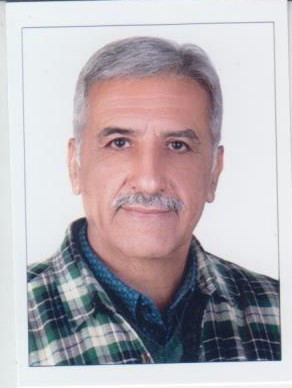
Gholamreza Shiran has a Ph.D. in Transportation Planning from the University of NSW in Australia (1998); a Master's degree in Transport Engineering from George Washington University (1980) and a B.S. degree in Civil Engineering from West Virginia University Institute of Technology in the USA (1978). In his PhD thesis, he has developed Area-Wide Environmental Capacity Models based on Air Pollution Criteria. In these models, he has incorporated factors in urban air pollution, land use/ transport/traffic activities, atmospheric parameters and public health. Acceptable levels of traffic, transport and landuse activities can be determined based on health-related air pollution criteria at an area-wide scale in urban areas. He has successfully also sat for technical courese of Australian Road Research Board (ARRB) recognised at international level. He is currently an academic member of the Faculty of Civil & Transportation Engineering at the University of Isfahan, Iran.
EDUCATION
Ph.D. (Transportation Planning & Engineering), School of Civil & Environmental Engineering, University of NSW (UNSW), Sydney, Australia, 1998.
M.Sc. (Transportation Engineering), School of Civil and Environmental Engineering, George Washington University, Washington DC, USA,1980.
B.Sc. (Civil Engineering), Department of Civil Engineering, School of Engineering, West Virginia University Institute of Technology, Montgomery, West Virginia, USA, 1978.
RESEARCH INTERESTS
1. Transport & Traffic Safety.
2. Sustainable Transport.
3. Non-Motorised Transport.
4. Environmental Impacts of Transport & Traffic, mainly Air & Noise Pollution.
5. Transportation Planning at local, regional and national levels.
6. Traffic Education, Culture and behaviour.
8. Traffic Management
11
Scopus Publications
Scopus Publications
Comparative analysis of macroscopic traffic models for evaluating shockwaves under lane closures on an urban highway using the LWR model Mohammad Amin Yasari, Iman Aghayan, Gholam Reza Shiran, Farhad Hadadi Transportation Letters, 2025 Lane closure due to traffic crashes is a complex phenomenon that negatively affects the operational performance of highways and leads to secondary lane closures. The present study investigates the effects of shockwaves caused by a heavy vehicle run-off-road crash on a three-lane urban highway in Isfahan, Iran. Additionally, the study simulates the effects of lane closures on shockwaves and density using the Lighthill, Whitham, and Richards (LWR) theory and macroscopic traffic flow based on field data. An analysis of traffic flow models revealed that one-lane and two-lane closures reduce maximum flow by 29% and 61%, respectively, compared to normal conditions. The results showed that the minimum relative error (RE) for lane closures is associated with shockwave models based on the Underwood speed-density model, expanded using the Taylor series. Therefore, the shockwave model based on the Underwood model with Taylor series expansion outperforms other models.
TEHRAN AIR POLLUTION MODELING USING LONG-SHORT TERM MEMORY ALGORITHM: AN UNCERTAINTY ANALYSIS M. Ghorbani, M. R. Delavar, B. Nazari, G. Shiran, S. Ghaffarian ISPRS Annals of the Photogrammetry Remote Sensing and Spatial Information Sciences, 2023 Air pollution is a major environmental issue in urban areas, and accurate forecasting of particles 10 μm or smaller (PM10) level is essential for smart public health policies and environmental management in Tehran, Iran. In this study, we evaluated the performance and uncertainty of long short-term memory (LSTM) model, along with two spatial interpolation methods including ordinary kriging (OK) and inverse distance weighting (IDW) for mapping the forecasted daily air pollution in Tehran. We used root mean square error (RMSE) and mean square error (MSE) to evaluate the prediction power of the LSTM model. In addition, prediction intervals (PIs), and Mean and standard deviation (STD) were employed to assess the uncertainty of the process. For this research, the air pollution data in 19 Tehran air pollution monitoring stations and temperature, humidity, wind speed and direction as influential factors were taken into account. The results showed that the OK had better RMSE and STD in the test (32.48 ± 9.8 μg/m3) and predicted data (56.6 ± 13.3 μg/m3) compared with those of the IDW in the test (47.7 ± 22.43 μg/m3) and predicted set (62.18 ± 26.1 μg/m3). However, in PIs, IDW ([0, 0.7] μg/m3) compared with the OK ([0, 0.5] μg/m3) had better performance. The LSTM model achieved in the predicted values an RMSE of 8.6 μg/m3 and a standard deviation of 9.8 μg/m3 and PIs between [2.7 ± 4.8, 14.9 ± 15] μg/m3.
Dynamics of Campus Travel Behavior under the COVID-19 Pandemic Ali Naaman, Gholamreza Shiran, Maryam Alavi, Ali Pirdavani Future Transportation, 2023 The COVID-19 pandemic has shown to be a global challenge that, in addition to other effects, has influenced travel behavior. This study examines factors affecting academic travelers’ mode choice before and during the pandemic and factors contributing to sustainable transportation on campus. By examining their travel patterns and behaviors, we contribute to understanding transportation preferences and identifying opportunities for sustainable transportation on university campuses. Studying academic travelers is crucial as they are significant daily travelers with a substantial impact on transportation systems and the environment. Understanding their mode choices helps transportation planners and policymakers promote sustainable transportation options. The literature has identified influential factors in making trips to university campuses, including age, gender, accommodation, cost, and travel time. However, cross-sectional studies involving comprehensive variables are lacking and the influence of the COVID-19 pandemic on transportation has not been thoroughly evaluated. To address this gap, the current study aims to evaluate novel variables, including intra-transport modes, entry permits, accessibility, parking availability, occupations, level of study, travel purpose, and visit frequency. The University of Isfahan, accessible by all modes of transport, was selected as the study area. After analyzing the questionnaire and variables using SPSS software (IBM SPSS Statistics for Windows, Version 22.0 Released 2013), travel behavior was studied by discrete choice models and the models’ coefficients were estimated using NLOGIT. The finding demonstrated that using private modes (taxi, private vehicle, and active modes) increased in response to the pandemic, while using public modes (bus or subway) represented a decline. Before and during the pandemic, most people who had the same trip purpose shifted from taking the bus to using private vehicles and active transportation. Generally, people became more inclined to walk on campus during the pandemic. This study aimed to examine the travel behavior of academic travelers, who possess diverse travel choices compared with typical commuters, thus providing valuable insights into how the broader population might respond to different transportation options. The findings offer a novel perspective for university and city planners, enabling more informed decisions regarding sustainable development in campus areas.
Cyclists' exposure to traffic-generated air pollution in multi-modal transportation network design problem Elham Mortazavi Moghaddam, Gholamreza Shiran, Ahmad Reza Jafarian-Moghaddam, Ali Naaman Plos One, 2023 Moving toward sustainable transportation is one of the essential issues in cities. Bicycles, as active transportation, are considered an important part of sustainable transportation. However, cyclists engage in more physical activity and air intake, making the quality of air that they inhale important in the programs that aim to improve the share of this mode. This paper develops a multi-modal transportation network design problem (MMNDP) to select links and routes for cycling, cars, and buses to decrease the exposure of cyclists to traffic-generated air pollution. The objective functions of the model include demand coverage, travel time, and exposure. The study also examined the effect of having exclusive lanes for bicycles and buses on the network. In the present study, the non-dominated storing genetic algorithm (NSGA-II) solves the upper-level and a method of successive average (MSA) unravels the lower level of the model. A numerical example and four scenarios evaluate the trade-off between different objective functions of the proposed model. The results reveal that considering exposure to air pollution in our model results in a slight increase in travel time (4%) while the exposure to traffic-generated air pollution for cyclists was reduced significantly (47%). Exclusive lanes also result in exposure reduction in the network (60%). In addition, the demand coverage objective function performs well in increasing the total demand in the network by 47%. However, more demand coverage leads to a rise in travel time by 28% and exposure by 58%. The model also showed an acceptable result in terms of exposure to traffic-generated air pollution compared to the model in the literature.
Crash severity analysis of highways based on multinomial logistic regression model, decision tree techniques and artificial neural network: A modeling comparison Gholamreza Shiran, Reza Imaninasab, Razieh Khayamim Sustainability Switzerland, 2021 The classification of vehicular crashes based on their severity is crucial since not all of them have the same financial and injury values. In addition, avoiding crashes by identifying their influential factors is possible via accurate prediction modeling. In crash severity analysis, accurate and time-saving prediction models are necessary for classifying crashes based on their severity. Moreover, statistical models are incapable of identifying the potential severity of crashes regarding influencing factors incorporated in models. Unlike previous research efforts, which focused on the limited class of crash severity, including property damage only (PDO), fatality, and injury by applying data mining models, the present study sought to predict crash frequency according to five severity levels of PDO, fatality, severe injury, other visible injuries, and complaint of pain. The multinomial logistic regression (MLR) model and data mining approaches, including artificial neural network-multilayer perceptron (ANN-MLP) and two decision tree techniques, (i.e., Chi-square automatic interaction detector (CHAID) and C5.0) are utilized based on traffic crash records for State Highways in California, USA. The comparison of the findings of the relative importance of ten qualitative and ten quantitative independent variables incorporated in CHAID and C5.0 indicated that the cause of the crash (X1) and the number of vehicles (X5) were known as the most influential variables involved in the crash. However, the cause of the crash (X1) and weather (X2) were identified as the most contributing variables by the ANN-MLP model. In addition, the MLR model showed that the driver’s age (X11) accounts for a larger proportion of traffic crash severity. Therefore, the sensitivity analysis demonstrated that C5.0 had the best performance for predicting road crash severity. Not only did C5.0 take a shorter time (0.05 s) compared to CHAID, MLP, and MLR, it also represented the highest accuracy rate for the training set. The overall prediction accuracy based on the training data was approximately 88.09% compared to 77.21% and 70.21% for CHAID and MLP models. In general, the findings of this study revealed that C5.0 can be a promising tool for predicting road crash severity.
A novel method for improving air pollution prediction based on machine learning approaches: A case study applied to the capital city of Tehran Mahmoud Delavar, Amin Gholami, Gholam Shiran, Yousef Rashidi, Gholam Nakhaeizadeh, Kurt Fedra, Smaeil Hatefi Afshar ISPRS International Journal of Geo Information, 2019 Environmental pollution has mainly been attributed to urbanization and industrial developments across the globe. Air pollution has been marked as one of the major problems of metropolitan areas around the world, especially in Tehran, the capital of Iran, where its administrators and residents have long been struggling with air pollution damage such as the health issues of its citizens. As far as the study area of this research is concerned, a considerable proportion of Tehran air pollution is attributed to PM10 and PM2.5 pollutants. Therefore, the present study was conducted to determine the prediction models to determine air pollutions based on PM10 and PM2.5 pollution concentrations in Tehran. To predict the air-pollution, the data related to day of week, month of year, topography, meteorology, and pollutant rate of two nearest neighbors as the input parameters and machine learning methods were used. These methods include a regression support vector machine, geographically weighted regression, artificial neural network and auto-regressive nonlinear neural network with an external input as the machine learning method for the air pollution prediction. A prediction model was then proposed to improve the afore-mentioned methods, by which the error percentage has been reduced and improved by 57%, 47%, 47% and 94%, respectively. The most reliable algorithm for the prediction of air pollution was autoregressive nonlinear neural network with external input using the proposed prediction model, where its one-day prediction error reached 1.79 µg/m3. Finally, using genetic algorithm, data for day of week, month of year, topography, wind direction, maximum temperature and pollutant rate of the two nearest neighbors were identified as the most effective parameters in the prediction of air pollution.