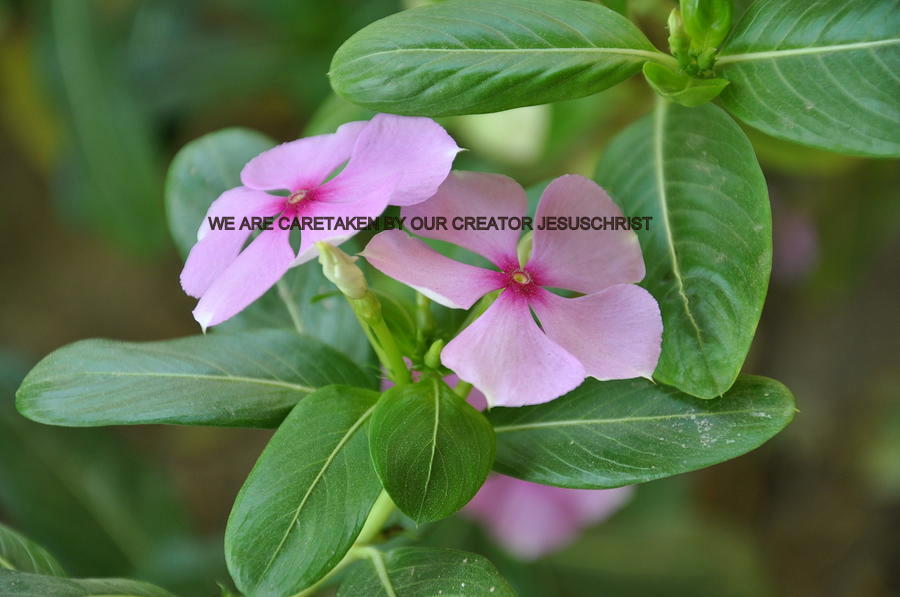
Detection and Quantification of Catharanthine Alkaloids in Catharanthus Roseus Leaves using Electrochemical and Optical Methods T.Devakumar, N.Pathmavathi, S. Thalamuthu Proceedings of 5th International Conference on Trends in Material Science and Inventive Materials Ictmim 2025, 2025 Catharanthus roseus leaves contain several bioactive alkaloids, including vincristine and vinblastine, which are crucial for the development of cancer-treatment drugs. These alkaloids are derived from catharanthine. In this study, UV and electrochemical methods were used to detect and quantify catharanthine in Catharanthus roseus leaves. UV spectrometry plays a crucial role in detecting and quantifying natural alkaloids for industrial and pharmaceutical applications. Catharanthine contains a biologically important indole moiety, a heterocyclic derivative, which exhibits characteristic UV-visible (UV-Vis) absorption in the 200–300 nm range due to π-π* electronic transitions within its conjugated system. The indole ring, composed of fused benzene and pyrrole rings, facilitates extensive electron delocalization, resulting in strong π-π* transitions in the 220–300 nm range. Chloroform (CHCl₃) is used to extract catharanthine due to its high solubility. Experimental UV-Vis analysis confirmed the presence of catharanthine through characteristic absorption peaks at 246 and 291 nm, where greater spectral intensity corresponds to higher catharanthine concentrations. To accurately characterize the spectra, a UV-Vis spectrophotometer was used for direct measurement, allowing precise determination of individual leaf concentrations. Electrochemical detection of catharanthine in Catharanthus roseus leaves was also performed using cyclic voltammetry (CV). This highly sensitive method can detect very low catharanthine concentrations due to the strong interaction between the indole moiety and the glassy carbon electrode surface. The CV method generates a measurable electrical signal when a voltage is applied within the range of 0.4 to 1.0 V. The intensity of this signal is directly proportional to the catharanthine concentration in the sample. Using this approach, catharanthine concentrations in the tested samples were measured within the range of 0.005 to 0.02 mg/ml.
Smart Campus Guidance Robot T. Devakumar, A. Araventha Kannan, B J. BlessonPaul, S. Poobalan Proceedings IEEE 10th International Conference on Smart Structures and Systems Icsss 2025, 2025 This paper describes an autonomous robot that serves as a guide on campus. It helps visitors explore and provides information about different departments. The robot uses a microcontroller to control DC geared motors, allowing for smooth movement through an L298N motor driver. A keypad enables the user to choose which department to visit. Once a department is selected, the robot follows a specific route to that location. While it moves, an MP3 player module, speaker, and battery deliver a brief audio summary about the chosen department. Interacting with visitors enhances their educational experience and helps them understand the university or college better. This robot design combines motor control and audio output in an affordable way. It can also be used in museums, industrial parks, large institutions, or any place where automated navigation and information delivery can enhance the user experience.