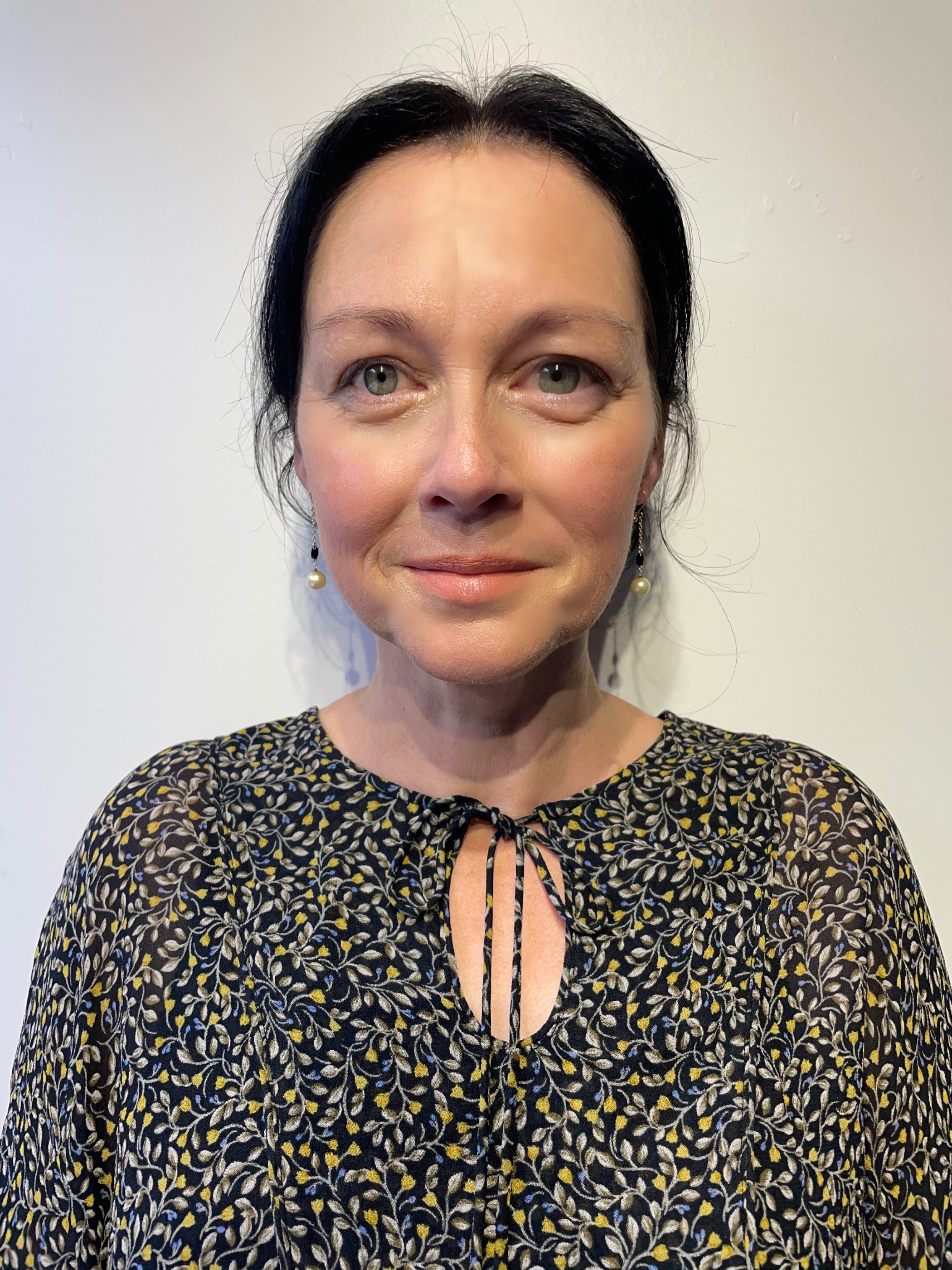
Dr Donna Cleveland is currently the Head of Learning and Teaching for the School of Future Environments. Donna is also the Programme Director for the Bachelor of Creative Technologies and a Senior Lecturer on the Bachelor of Creative Technologies Programme within the School of Future Environments at Auckland University of Technology. Donna teaches design theory and practice across a multitude of disciplinary subjects. Donna is passionate about student-led learning and excited to be involved in the education of emerging designers. Donna practices interactive strategies for learning, demonstrates critical thinking in design education, engages culture in learning and is committed to developing innovative and engaging styles of learning and teaching.
16
Scopus Publications
269
Scholar Citations
7
Scholar h-index
6
Scholar i10-index
Scopus Publications
Characterization of sustainable bacterial cellulose from Indigenous Vietnamese biomass for potential textile applications Donna Cleveland, Rajkishore Nayak, Frances Joseph, Tuan-Anh Nguyen Scientific Reports, 2025 This research explored the fabrication and characterization of bacterial cellulose (BC), with a distinct emphasis on leveraging indigenous Vietnamese biomass sources. A diverse sample library consisting of 150 BC samples was prepared, with six samples selected for objective evaluation, based on the standard test methods. These samples were subjected to characterization techniques including Scanning electron microscopy (SEM), Energy dispersive X-ray (EDX), Fourier Transformation Infrared (FTIR) and Differential scanning calorimetry (DSC) to explore potential applications of BC in fashion and textiles. Moreover, the growth medium (or SCOBY- Symbiotic Culture of Bacteria and Yeast), from which the BC was cultivated, was analyzed to identify the constituent bacterial and yeast strains. The EDX analysis showed the major elements of BC were Carbon (C) followed by Oxygen (O), which accounted for 99% of the elemental composition of BC. The cellulosic structure was confirmed by the FTIR results, which indicated the characteristics bonds of BC. The DSC results showed that thermal stability can be achieved for the fashion and textiles produced from BC. Bacterial analysis showed the presence of Acetobacter Indonesiensis, a gram-negative bacterium, in all the BC samples. The outcomes of this study established a deeper comprehension of the morphological, thermal, biological, and chemical attributes of BC, as well as the microbial dynamics within the SCOBY mother. This exploration not only augments the existing knowledge on BC's potential in material design but also paves the way for further research on the influence of local ingredients on biomaterial production, thereby contributing to the burgeoning field of sustainable material innovation within a localized context.
Uncovering Plastic Pollution: A Scoping Review of Urban Waterways, Technologies, and Interdisciplinary Approaches Peter Cleveland, Donna Cleveland, Ann Morrison, Khoi Hoang Dinh, An Nguyen Pham Hai, Luca Freitas Ribeiro, Khanh Tran Duy Sustainability Switzerland, 2025 Plastic pollution is a growing environmental and social concern, particularly in Southeast Asia, where urban rivers serve as key pathways for transporting waste to marine environments. This scoping review examines 110 peer-reviewed studies to understand how plastic pollution in waterways is being researched, addressed, and reconceptualized. Drawing from the literature across environmental science, technology, and social studies, we identify four interconnected areas of focus: urban pollution pathways, innovations in monitoring and methods, community-based interventions, and interdisciplinary perspectives. Our analysis combines qualitative synthesis with visual mapping techniques, including keyword co-occurrence networks, to explore how real-time tools, such as IoT sensors, multi-sensor systems, and geospatial technologies, are transforming the ways plastic waste is tracked and analyzed. The review also considers the growing use of novel theoretical frameworks, such as post-phenomenology and ecological materialism, to better understand the role of plastics as both pollutants and ecological agents. Despite progress, the literature reveals persistent gaps in longitudinal studies, regional representation, and policy translation, particularly across the Global South. We emphasize the value of participatory models and community-led research in bridging these gaps and advancing more inclusive and responsive solutions. These insights inform the development of plastic tracker technologies currently being piloted in Vietnam and contribute to broader sustainability goals, including SDG 6 (Clean Water and Sanitation), SDG 12 (Responsible Consumption and Production), and SDG 14 (Life Below Water).
Legacy Datasets and Their Impacts: Analysing Ecoinvent’s Influence on Wool and Polyester LCA Outcomes Mitali Nautiyal, Donna Cleveland, Amabel Hunting, Amanda Smith Sustainability Switzerland, 2025 Accurate and transparent Life Cycle Assessment (LCA) datasets are essential for reliable sustainability evaluations, particularly in the complex and varied textile industry. Historically, the ecoinvent database has been a foundational source for LCA studies in the textile sector. This paper critically examines the limitations of the ecoinvent v3.7 dataset, which is widely used in academic research, industry tools, and policymaking. While newer versions, such as v3.11, released in 2024, have addressed many issues, including enhanced geographical representation and updated emission profiles for chemicals, this study emphasises the historical implications of earlier data versions. By comparing the cradle-to-gate Global Warming Potential (GWP) of wool and polyester jumpers, this research reveals how aggregated and outdated data underestimated the polyester’s environmental impact while overestimating that of wool. These discrepancies have shaped fibre certification, eco-labelling, and consumer perceptions for years. Understanding the legacy of these datasets is vital for re-evaluating past LCA-based decisions and guiding future assessments toward greater regional relevance and transparency.
Characterization of sustainable bacterial cellulose fabricated with Vietnamese ingredients for potential textile applications: Tensile and handle properties Rajkishore Nayak, Donna Cleveland, Frances Joseph Results in Engineering, 2025 • Bacterial cellulose (BC) fabricated with the indigenous ingredients available in Vietnam were characterized for fashion and textile applications. • BC samples were mostly acidic, hence, they were treated with bases to bring the pH within the skin-friendly range. • Stiffness and drape values of the samples were significantly higher, and crease recovery was significantly lower. • Authors successfully designed products such as wallets and decorative paintings using the BC. There has been growing demand for biomaterials due to their natural origin, nontoxicity and biodegradability properties. Bacterial cellulose (BC) is one such material with potential for a wide range of applications in medicine, packaging, food, tissue engineering, cosmetics, fashion and textile. This research has attempted to explore the potential of BC in fashion and textile applications fabricated with the indigenous ingredients available in Vietnam. A range of BC samples were fabricated and characterized for various properties such as pH, thickness, areal density, bursting strength, stiffness, drape and crease recovery angle to explore potential applications in fashion and textile. The results showed that the pH of BC samples was mostly acidic, with a pH range of 2.6 to 4.4. Hence, they were treated with commonly available bases to bring the pH within the skin-friendly range for textile applications. Some bursting strength results showed closer values for the textile sample, indicating its potential for textile applications. However, the stiffness and drape values of the BC samples were significantly higher, and crease recovery was significantly lower, indicating its appropriateness for applications where higher stiffness and lower crease recovery properties are desired. Keeping the properties in mind, the authors successfully designed products such as wallets and decorative paintings using the harvested BC samples.
EXPLORING THE ROLE OF LOCAL FASHION MICRO AND SMALL ENTERPRISES (MSES) IN VIETNAM’S CREATIVE ECONOMY OPPORTUNITIES AND CHALLENGE Lan Lam, Donna Cleveland Fashion Highlight, 2025 This study examines the opportunities and challenges that local fashion Micro and Small Enterprises (MSEs) face as they contribute to Vietnam’s creative economy. A key strength of these enterprises is their commitment to sustainability, reflected in their localised production processes and strong community engagement. This approach sets them apart from international competitors and provides a model for how fashion can foster a broader, more holistic notion of prosperity, one that goes beyond economic growth to encompass social and environmental well-being. The research is grounded in semi-structured interviews with local designers and an observational analysis of these MSEs’ digital presence. Through this exploration, the paper contributes to the discourse on “Prosperity Fashion”, demonstrating how localised, sustainable fashion practices can support a more inclusive and culturally rich economy.
Empowering and implementing sustainability integration into higher education curriculum in emerging countries: ‘walk the talk’ or ‘talk the talk’? Long Thang Van Nguyen, Donna Cleveland, Chi Tran Mai Nguyen, Corinna Erken Joyce International Journal of Sustainability in Higher Education, 2025 Purpose The study aims to identify current faculty practices, examine how different levels of higher education (HE) management empower and implement sustainability integration and explore the challenges of integrating sustainability into HE curriculum in emerging countries. Design/methodology/approach This study sampled Vietnamese universities and international HE institutions (HEIs) operating in Vietnam to represent the emerging context. In-depth interviews were conducted with 19 faculty leaders from 8 universities, with major themes identified through double coding and thematic analysis. Findings The study identified three major themes of practice by management and faculty to integrate sustainability into the curriculum: structural empowerment, psychological empowerment and practical implementation, and such practices primarily came from the meso and micro levels of management. Prominent challenges for lecturers to strategize and deliver better curricula on sustainability knowledge resulted from the macro-level management, particularly in the lack of supportive frameworks, empowerment and resources. Practical implications HE management can empower institutions’ sustainability education strategies and practices through building networking and stakeholder engagement, enriching case studies and work-integrated learning projects, facilitating transformation with champions, providing direction through orientation and training, monitoring transformation and rewarding excellence and facilitating research collaborations. Originality/value Research on the extent to which HEIs have initiated efforts to incorporate sustainability into their curricula and programs remains limited. Moreover, recent literature on sustainability in HE primarily focuses on practices in developed countries. This study conceptualizes a management framework for HE and identifies key challenges, offering insights grounded in the under-researched context of emerging countries.
Problem-based learning and the integration of sustainable development goals Long Thang Van Nguyen, Donna Cleveland, Chi Tran Mai Nguyen, Corinna Joyce Journal of Work Applied Management, 2024 PurposeThis study explores how problem-based learning (PBL) programs can address Sustainable Development Goals (SDGs) via the higher education (HE) curriculum, teaching materials and relevant assessments, supporting learning at scale for HE institutions.Design/methodology/approachEmploying SDGs and their indicators as the coding framework, our two-phase study evaluates the curriculum and teaching materials of seven PBL programs at a leading higher education institution (HEI). The first phase involved a content analysis to assess the degree of sustainability integration in 156 relevant courses. The second phase applied a semi-automated mapping protocol to analyze learning and teaching materials in 120 relevant courses.FindingsThe school aligns with 17 SDGs (100%), covering 94 indicators (55.62%). On average, each program within the school addresses over ten of these goals and incorporates more than 24 associated indicators. However, the study reveals an imbalance in the incorporation of SDGs, with some goals not yet deeply and comprehensively embedded in the curriculum. While there is a substantial focus on sustainability theories, the practical implications of SDGs in emerging countries, particularly through case studies and assessments, require significant enhancement.Practical implicationsMapping SDGs allows HEIs to identify strengths and gaps in SDG integration, thereby improving the PBL approach to enhance student work readiness in sustainability-focused careers.Originality/valueThrough the lens of transformative learning theory, this study provides evidence of SDG integration into PBL curricula. It highlights a mapping methodology that enables HEIs to evaluate their sustainability readiness in curriculum, teaching materials and relevant assessments.
Potential of bacterial cellulose for sustainable fashion and textile applications: A review Rajkishore Nayak, Donna Cleveland, Giang Tran, Frances Joseph Journal of Materials Science, 2024 The fashion and textile manufacturing sectors are increasingly focusing on innovative raw materials that are renewable and biodegradable. Such materials not only mitigate environmental impacts but also prevent resource depletion. Bacterial cellulose (BC) has emerged as a prime candidate, derivable from a variety of natural ingredients such as tea and coffee in addition to a sugar source in presence of the bacterial microorganisms. Numerous studies have established the potential of BC in future fashion, and some brands have already started to utilise BC as a sustainable raw material. The applications of BC ranges from basic clothing and accessories to wearable electronics. This paper discusses the scope of BC in fashion and textiles, positioning it as a sustainable alternative to conventional materials. We present a comprehensive scoping review, covering the unique properties of BC, the factors influencing its production, and its applications in textile, clothing, and footwear over the past decade. The advantages of BC in fashion are manifold: zero-waste manufacturing, reliance on renewable sources, diminished environmental pollution, and biodegradability. Furthermore, the use of BC aligns with United Nations Sustainable Development Goals 6, 7, 12, 13 and 15. However, there exist challenges pertaining to production costs, scalability, and quality, in addition to the imperative of harnessing food waste streams instead of contending for human food resources. Addressing these challenges is vital to cement BC’s position as a pivotal sustainable material in future fashion.
Digital materiality, embodied practices and fashionable interactions in the design of soft wearable technologies International Journal of Design, 2017
RECENT SCHOLAR PUBLICATIONS
Empowering and implementing sustainability integration into higher education curriculum in emerging countries:‘walk the talk’or ‘talk the talk’? LTV Nguyen, D Cleveland, CTM Nguyen, CE Joyce International Journal of Sustainability in Higher Education 26 (9), 389-411 , 2025 2025 Citations: 8
Mapping work-integrated learning gaps through bloom's taxonomy: A multi-layer curriculum analysis in creative education D Cleveland, L Nguyen, A Nguyen, M Ling, T Nguyen ASCILITE 2025, 574-579 , 2025 2025
Re-thinking Fashion Futures: Co-Designing Digital Tools with Vietnam’s Textile Craft Communities C Erken, M Waldhart, D Cleveland, H Nguyen RMIT University , 2025 2025
Characterization of sustainable bacterial cellulose from Indigenous Vietnamese biomass for potential textile applications D Cleveland, R Nayak, F Joseph, TA Nguyen Scientific Reports 15 (1), 35267 , 2025 2025 Citations: 2
Uncovering Plastic Pollution: A Scoping Review of Urban Waterways, Technologies, and Interdisciplinary Approaches P Cleveland, D Cleveland, A Morrison, KH Dinh, ANP Hai, ... Sustainability 17 (15), 7009 , 2025 2025 Citations: 5
Rethinking Co-Creation-Adaptive Approaches to Agency in the Vietnam Design Research Studio (VDRS) Pilot Study D Cleveland, P Cleveland, M Waldhart, K Rylander, H Nguyen RMIT University , 2025 2025
Legacy datasets and their impacts: analysing Ecoinvent’s influence on wool and polyester LCA outcomes M Nautiyal, D Cleveland, A Hunting, A Smith Sustainability 17 (14), 6513 , 2025 2025 Citations: 5
Exploring the Role of Local Fashion MSEs in Vietnam’s Creative Economy L Lam, D Cleveland RMIT University , 2025 2025
Exploring the Role of Local Fashion MSEs in Vietnam’s Creative Economy: Opportunities and Challenges L Lam, D Cleveland Fashion Highlight, 348-359 , 2025 2025
Fabricating bioplastics from Kombucha: Ingredients and characterization for fashion and textile applications R Nayak, D Cleveland, G Tran, F Joseph, V Little Innovative Approaches to Handle Plastic Waste and Foster Bio-based Plastics … , 2025 2025 Citations: 1
Sustainable livelihoods through reduced plastic waste: Collaborative community-based sustainability-oriented innovation D Cleveland, F Joseph, V Little, R Nayak Innovative Approaches to Handle Plastic Waste and Foster Bio-based Plastics … , 2025 2025 Citations: 2
for Fashion and Textile Applications R Nayak, D Cleveland, G Tran, F Joseph Innovative Approaches to Handle Plastic Waste and Foster Bio-based Plastics … , 2025 2025
Characterization of sustainable bacterial cellulose fabricated with Vietnamese ingredients for potential textile applications: tensile and handle properties R Nayak, D Cleveland, F Joseph Results in Engineering 25, 104030 , 2025 2025 Citations: 11
Fermented clothing? Here’s how the biofilm on kombucha can be turned into green textiles R Nayak, D Cleveland The Conversation , 2025 2025
Strategies to Foster a Collaborative and Sustainable Transformation: A Vietnam Textile & Apparel Case HL Lam, D Cleveland 2025
Co3O4 nanoparticles synthesized with rotten-grape extract for use in supercapacitors and oxygen evolution devices A Hayat, A Tahira, MA Bhatti, I Naz, AA Shah, E Dawi, M Tonezzer, ... Results in Engineering 24, 102922 , 2024 2024 Citations: 40
Problem-based learning and the integration of sustainable development goals LTV Nguyen, D Cleveland, CTM Nguyen, C Joyce Journal of Work-Applied Management 16 (2), 218-234 , 2024 2024 Citations: 83
Designing with Bacterial Cellulose: A Pilot Study Using Localized Food Sources to Grow Innovative Materials in Vietnam D Cleveland, R Nayak, F Joseph Journal of Textile Design Research and Practice 12 (3), 192-222 , 2024 2024 Citations: 1
Empowering Communities Through Participatory Biomaterials Workshops: A Path Towards Sustainable Innovation D Cleveland, V Little, P Nguyen RMIT University , 2024 2024
Transforming circular fashion in Vietnam: The role of pre-owned markets in sustainable consumption HL Lam, D Cleveland Fashion Highlight, 90-101 , 2024 2024 Citations: 2
MOST CITED SCHOLAR PUBLICATIONS
Problem-based learning and the integration of sustainable development goals LTV Nguyen, D Cleveland, CTM Nguyen, C Joyce Journal of Work-Applied Management 16 (2), 218-234 , 2024 2024 Citations: 83
Potential of bacterial cellulose for sustainable fashion and textile applications: A review R Nayak, D Cleveland, G Tran, F Joseph Journal of materials science 59 (16), 6685-6710 , 2024 2024 Citations: 53
Co3O4 nanoparticles synthesized with rotten-grape extract for use in supercapacitors and oxygen evolution devices A Hayat, A Tahira, MA Bhatti, I Naz, AA Shah, E Dawi, M Tonezzer, ... Results in Engineering 24, 102922 , 2024 2024 Citations: 40
Digital materiality, embodied practices and fashionable interactions in the design of soft wearable technologies F Joseph, M Smitheram, D Cleveland, C Stephen, H Fisher International Journal of Design 11 (3), 7-15 , 2017 2017 Citations: 30
Integrating sustainability in higher education curricula: A transformative approach towards marketing education and brand social responsibility D Cleveland, LN Van Thang, CNTM Chi ASCILITE Publications, 345-350 , 2023 2023 Citations: 12
Characterization of sustainable bacterial cellulose fabricated with Vietnamese ingredients for potential textile applications: tensile and handle properties R Nayak, D Cleveland, F Joseph Results in Engineering 25, 104030 , 2025 2025 Citations: 11
Empowering and implementing sustainability integration into higher education curriculum in emerging countries:‘walk the talk’or ‘talk the talk’? LTV Nguyen, D Cleveland, CTM Nguyen, CE Joyce International Journal of Sustainability in Higher Education 26 (9), 389-411 , 2025 2025 Citations: 8
Uncovering Plastic Pollution: A Scoping Review of Urban Waterways, Technologies, and Interdisciplinary Approaches P Cleveland, D Cleveland, A Morrison, KH Dinh, ANP Hai, ... Sustainability 17 (15), 7009 , 2025 2025 Citations: 5
Legacy datasets and their impacts: analysing Ecoinvent’s influence on wool and polyester LCA outcomes M Nautiyal, D Cleveland, A Hunting, A Smith Sustainability 17 (14), 6513 , 2025 2025 Citations: 5
Examining Practices of Apparel Use and End of Life in New Zealand M Nautiyal, A Hunting, F Joseph, D Cleveland Sustainability 15 (6), 5141 , 2023 2023 Citations: 5
Rock-climbing apparel: an analysis of current clothing options and future strategies for the design of rock-climbing clothing A Novikova, F Joseph, D Cleveland International Journal of Fashion Design, Technology and Education 17 (2 … , 2024 2024 Citations: 4
Transformational Cloth: Weaving the Undervalued Threads of Textile Waste into a Value Added Change Model D Cleveland Auckland University of Technology , 2018 2018 Citations: 3
Characterization of sustainable bacterial cellulose from Indigenous Vietnamese biomass for potential textile applications D Cleveland, R Nayak, F Joseph, TA Nguyen Scientific Reports 15 (1), 35267 , 2025 2025 Citations: 2
Sustainable livelihoods through reduced plastic waste: Collaborative community-based sustainability-oriented innovation D Cleveland, F Joseph, V Little, R Nayak Innovative Approaches to Handle Plastic Waste and Foster Bio-based Plastics … , 2025 2025 Citations: 2
Transforming circular fashion in Vietnam: The role of pre-owned markets in sustainable consumption HL Lam, D Cleveland Fashion Highlight, 90-101 , 2024 2024 Citations: 2
Fabricating bioplastics from Kombucha: Ingredients and characterization for fashion and textile applications R Nayak, D Cleveland, G Tran, F Joseph, V Little Innovative Approaches to Handle Plastic Waste and Foster Bio-based Plastics … , 2025 2025 Citations: 1
Designing with Bacterial Cellulose: A Pilot Study Using Localized Food Sources to Grow Innovative Materials in Vietnam D Cleveland, R Nayak, F Joseph Journal of Textile Design Research and Practice 12 (3), 192-222 , 2024 2024 Citations: 1
Characterization of Bacterial Cellulose fabricated with Vietnamese ingredients for potential textile applications D Cleveland, R Nayak, F Joseph 2024 Citations: 1
Collaborative pathways: Empowering blended learning and advancing future-focused education D Cleveland, S Stubbs ASCILITE Publications , 2023 2023 Citations: 1
Mapping work-integrated learning gaps through bloom's taxonomy: A multi-layer curriculum analysis in creative education D Cleveland, L Nguyen, A Nguyen, M Ling, T Nguyen ASCILITE 2025, 574-579 , 2025 2025