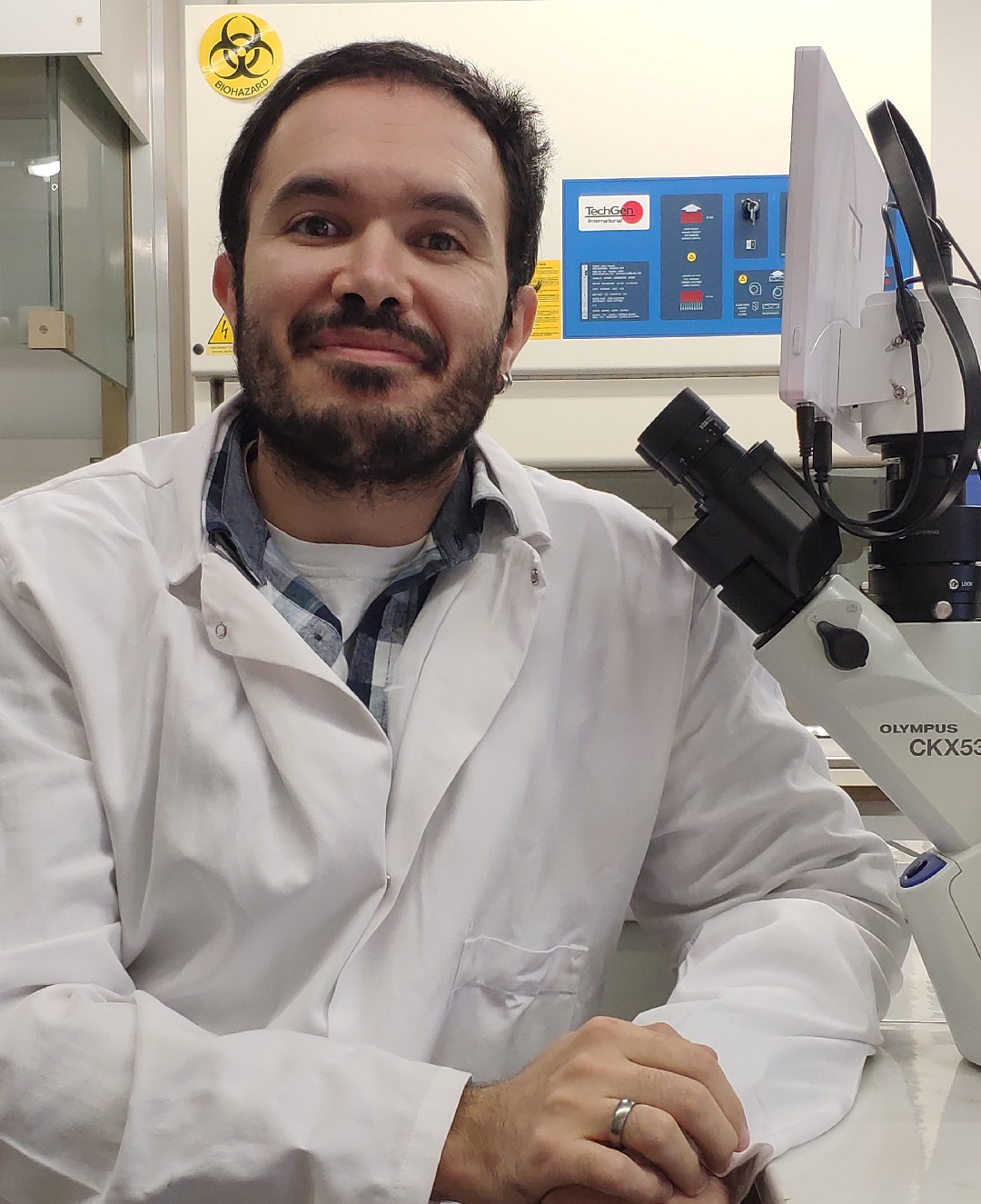
Andre Luiz Reis Rangel

@feg.unesp.br

Assistant Professor - Materials and Technology Department
São Paulo State University - UNESP

RESEARCH, TEACHING, or OTHER INTERESTS

Materials Science, Surfaces, Coatings and Films, Biomaterials, Polymers and Plastics
19

Scopus Publications

243

Scholar Citations

7

Scholar h-index

7

Scholar i10-index

Scopus Publications

  • Characterization of Iron Oxide Nanotubes Obtained by Anodic Oxidation for Biomedical Applications—In Vitro Studies
    Rita de Cássia Reis Rangel, André Luiz Reis Rangel, Kerolene Barboza da Silva, Ana Lúcia do Amaral Escada, Javier Andres Munoz Chaves, Fátima Raquel Maia, Sandra Pina, Rui L. Reis, Joaquim M. Oliveira, Ana Paula Rosifini Alves
    Materials, 2024
    To improve the biocompatibility and bioactivity of biodegradable iron-based materials, nanostructured surfaces formed by metal oxides offer a promising strategy for surface functionalization. To explore this potential, iron oxide nanotubes were synthesized on pure iron (Fe) using an anodic oxidation process (50 V–30 min, using an ethylene glycol solution containing 0.3% NH4F and 3% H2O, at a speed of 100 rpm). A nanotube layer composed mainly of α-Fe2O3 with diameters between 60 and 70 nm was obtained. The effect of the Fe-oxide nanotube layer on cell viability and morphology was evaluated by in vitro studies using a human osteosarcoma cell line (SaOs-2 cells). The results showed that the presence of this layer did not harm the viability or morphology of the cells. Furthermore, cells cultured on anodized surfaces showed higher metabolic activity than those on non-anodized surfaces. This research suggests that growing a layer of Fe oxide nanotubes on pure Fe is a promising method for functionalizing and improving the cytocompatibility of iron substrates. This opens up new opportunities for biomedical applications, including the development of cardiovascular stents or osteosynthesis implants.
  • Bioactivation of New Harmonic Titanium Alloy to Improve and Control Cellular Response and Differentiation
    A. Rangel, M. Lam, A. Hocini, V. Humblot, K. Ameyama, V. Migonney, G. Dirras, C. Falentin-Daudre
    Irbm, 2023
  • Choice of Parameters for Toluidine Blue O Colorimetric Assay: Influence on the Determination of Grafting Density of Anionic Groups
    A. Rangel, T. N. Nguyen, V. Migonney
    Journal of Applied Spectroscopy, 2022
  • The effect of pNaSS grafting of knitted poly(ε-caprolactone) artificial ligaments on in vitro mineralization and in vivo osseointegration
    Emeline Maurice, André Luiz Reis Rangel, Jagadeesh K Venkatesan, Amélie Leroux, Hanane El Hafci, Diane Pichard, Mathieu Manassero, Thibault Godineau, Julie Vial, Gertrud Schmitt, Susanne Speicher-Mentges, Marie Vandesteene, Magali Cucchiarini, Véronique Migonney, Véronique Viateau
    Materialia, 2022
  • Adapting Mechanical Characterization of a Biodegradable Polymer to Physiological Approach of Anterior Cruciate Ligament Functions
    A. Rangel, L. Colaço, N.T. Nguyen, J.-F. Grosset, C. Egles, V. Migonney
    Irbm, 2022
    Over the past decades, anterior cruciate ligament injuries have become a considerable public health issue. Due to specific physiological conditions such injuries often demand replacement surgery and can take up to two years to a complete recovery. Using biomaterials able to accelerate the healing process could represent a remarkable progress in the field. The main goal of this article is, therein, to evaluate the mechanical properties of poly(ε-caprolactone) (PCL) fibers with biological properties enhanced by poly(sodium styrene sulfonate) (PNaSS) grafting when subjected to mechanical stress in different conditions. PCL fibers were thermal grafted with PNaSS. The grafting density was estimated by the toluidine blue colorimetric assay (TB). The influence of the grafting on in vitro primary ACL fibroblast behavior was evaluated by cell proliferation and fluorescence microscope images. The mechanical behavior was evaluated by tensile experiments in air and water, fatigue experiments and simulated walk efforts. The results show that poly(ε-caprolactone) bundles have their mechanical behavior changed by the different surface treatments and nature of mechanical stress. Although, compared with the values of the natural ligament, the poly(ε-caprolactone) has shown superior mechanical properties (Young's Modulus, elastic deformation and ultimate tensile stress) in all studied scenarios. In addition, the pNaSS-grafted surfaces presented a positive influence in the cell proliferation and morphology. The pNaSS-grafted PCL has responded mechanical and biological requests for suitable ligament prosthesis material and could be considered as a promising alternative for ACL reconstruction.
  • Correlating degradation of functionalized polycaprolactone fibers and fibronectin adsorption using atomic force microscopy
    Tuan Ngoc Nguyen, André Rangel, Véronique Migonney
    Polymer Degradation and Stability, 2022
  • Influence of spin finish on degradation, functionalization and long-term storage of polyethylene terephthalate fabrics dedicated to ligament prostheses
    Tuan Ngoc Nguyen, Andre Rangel, David W. Grainger, Véronique Migonney
    Scientific Reports, 2021
    Polyethylene terephthalate (PET) fibers and fabrics are widely used for medical device applications such as vascular and anterior cruciate ligament prostheses. Several years ago, we began functionalizing PET fabrics using anionic polymers to enhance their biocompatibility, cell adhesion, proliferation and functional performance as PET ligament prostheses. Polymer functionalization followed a grafting-from process from virgin PET surfaces subject to spin-finish oil additive removal under Soxhlet extraction to remove residual fiber manufacturing oil. Nevertheless, with increasing time from manufacture, PET fabrics stored without a spin finish removal step exhibited degradation of spin finish oil, leading to (1) incomplete surface cleaning, and (2) PET surface degradation. Moreover, oxidizing agents present in the residual degraded oil prevented reliable functionalization of the prosthesis fibers in these PET fabrics. This study compares effects of PET fabric/spin finish oil storage on PET fabric anionic polymer functionalization across two PET fabric ligament storage groups: (1) 2- and 10- year old ligaments, and (2) 26-year old ligaments. Strong interactions between degraded spin finish oil and PET fiber surfaces after long storage times were demonstrated via extraction yield; oil chemistry changed assessed by spectral analysis. Polymer grafting/functionalization efficiency on stored PET fabrics was correlated using atomic force microscopy, including fiber surface roughness and relationships between grafting degree and surface Young’s modulus. New PET fabric Young’s modulus significantly decreased by anionic polymer functionalization (to 96%, grafting degree 1.6 µmol/g) and to reduced modulus and efficiency (29%) for 10 years storage fabric (grafting degree ~ 1 µmol/g). As fiber spin finish is mandatory in biomedically applicable fiber fabrication, assessing effects of spin finish oil on commercial polymer fabrics after longer storage under various conditions (UV light, temperature) is necessary to understand possible impacts on fiber degradation and surface functionalization.
  • Fibronectin adsorption on polystyrene sulfonate-grafted polyester using atomic force microscope
    Tuan Ngoc Nguyen, André Rangel, Véronique Migonney
    Biointerphases, 2021
    Cell adhesion and growth over prostheses are strongly influenced by the adsorption and conformation of adhesive proteins from blood and extracellular matrix, such as fibronectin. This key behavior can be possibly exploited to develop a prosthetic ligament based on the surface bioactivation of biodegradable materials. In this work, surface functionalization was performed by grafting poly(sodium 4-styrene sulfonate) on polyethylene terephthalate and polycaprolactone using a thermal surface-initiated atom transfer radical polymerization grafting technique. The morphology and mechanical properties of the adsorbed fibronectin in the presence of albumin were studied by atomic force microscopy. The morphology of fibronectin on two kinds of polyester surfaces was similar. However, the study results showed a remarkable conformation change of fibronectin when adsorbed onto the nongrafted or grafted surface, leading to an increase in cell adhesion and organization in the second case. This research provided evidence of the relationship between the morphology change of fibronectin to the enhancement of the cell adhesion and spreading on the grafted surface of polyester.
  • Different real-time degradation scenarios of functionalized poly(ε-caprolactone) for biomedical applications
    André Rangel, Tuan Ngoc Nguyen, Christophe Egles, Véronique Migonney
    Journal of Applied Polymer Science, 2021
    Anterior cruciate ligament (ACL) ruptures are a much‐commented injury as it can end the season or even career of professional athletes. However, the recovery of a patient from the general population is no less painful during the long period required by current treatments. Artificial ligaments could improve this healing, yet, orthopedic surgeons are still cautious about permanent ACL implants. Therefore, combining biodegradation and bioactivity could be a key feature for the popularization of these devices. This study aim at evaluating the real‐time degradation of poly(ε‐caprolactone) (PCL) grafted with the bioactive polymer sodium polystyrene sulfonate in different scenarios. PCL physical–chemical properties were evaluated before and after degradation. In addition, in vitro experiments were realized to confirm the long term influence of the grafting on cell response. Altogether, we were able to show different degradations scenarios, enabling to study the impact of degradation environment on degradation mode and rate of functionalized PCL.
  • Titanium-tantalum alloy surface modification by hydroxyapatite layer on TiO2 nanotubes: Effect on microbial activity
    Patricia Capellato, Lucas V. B. Vasconcelos, Filipe B. Vilela, Gilza Carla Ribeiro, Cristiane A. P. Correia, Gilbert Silva, Daniela Sachs, André L. R. Rangel, Cecilia A. de C. Zavaglia, Ana P. R. Alves Claro
    Materials Research, 2021
    One of the major health security challenges of the 21st century is the occurrence of microbial infections and bacterial complications that could affect 10 million people by 2050. On the biomaterial field, implant metallic currently replaces partial or total body parts and can fail to be integrated into the body due to infections. This study performs two combined surface modifications on Ti-30Ta alloy, in order to obtain an infection-resistance and osseointegration surface on metallic implants to be tested within bacterial biofilm. The Group 1 investigated surface modifications by the anodization process in the electrolyte glycerol + NH 4 F 0.25% at 30V-9 hours and annealed in 530°C (5°C/min). The Group 2 underwent the same process as Group 1 and, additionally, the samples were immersed in 0.3 M CaCl 2 and 0.5 M Na 2 HPO 4 solutions for hydroxyapatite growth. The substrate was characterized using scanning electron microscopy (SEM), X-ray diffractometer (XRD) and dynamic contact angle. S. epidermidis bacterial adhesion and biofilm formation. The results indicated that the Group 1 shows a higher antimicrobial activity, hydrophilic behavior and potential to be used for metallic implant applications. The Group 2 with the hydroxyapatite film coating did not have an improvement in the antimicrobial response.
  • Long-term hydrolytic degradation study of polycaprolactone films and fibers grafted with poly(sodium styrene sulfonate): Mechanism study and cell response
    Amélie Leroux, Tuan Ngoc Nguyen, André Rangel, Isabelle Cacciapuoti, Delphine Duprez, David G. Castner, Véronique Migonney
    Biointerphases, 2020
  • Kinetic and degradation reactions of poly (sodium 4-styrene sulfonate) grafting “from” ozonized poly (ϵ-caprolactone) surfaces
    Tuan Ngoc Nguyen, Andre Rangel, Véronique Migonney
    Polymer Degradation and Stability, 2020
  • Microstructure and biological evaluation of nanocrystalline diamond films deposited on titanium substrates using distributed antenna array microwave system
    D. Dekkar, F. Bénédic, C. Falentin-Daudré, A. Rangel, R. Issaoui, V. Migonney, J. Achard
    Diamond and Related Materials, 2020
  • Nanostructured titanium alloy surfaces for enhanced osteoblast response: A combination of morphology and chemistry
    André L.R. Rangel, Céline Falentin-Daudré, Bruna Natália Alves da Silva Pimentel, Carlos Eduardo Vergani, Véronique Migonney, Ana P.R. Alves Claro
    Surface and Coatings Technology, 2020
  • Modification of the Ti15Mo alloy surface through TiO2 nanotube growth—an in vitro study
    André L.R. Rangel, Javier A. M. Chaves, Ana L.A. Escada, Reginaldo T. Konatu, Ketul C. Popat, Ana P. Rosifini Alves Claro
    Journal of Applied Biomaterials and Functional Materials, 2018
  • Nanotubes growth on Ti-15Mo alloys by anodization at low voltage
    André Luiz Reis Rangel, Guilherme Rogeri Moreira Santos, Ana Paula Rosifini Alves Claro
    Materials Science Forum, 2016
  • Surface modification of Ti-30Ta alloy by electrospun PCL deposition
    Cristiane Mayumi Wada, André Luiz Reis Rangel, Marisa Aparecida de Souza, Rosemeire dos Santos Almeida, Marcos Akira D’Ávila, Ana Paula Rosifini Alves Claro, Maria Cristina Rosifini Alves Rezende
    Materials Science Forum, 2016
  • Osseointegration of Ti-30Ta implants without primary stability: Effect of tranexamic acid
    Maria Cristina Rosifini Alves Rezende, Bruna Cabrera Capalbo, Mario Jefferson Quirino Louzada, André Luiz Reis Rangel, Luciano Ângelo Cintra, João Augusto Guedes de Oliveira, Paulo Noronha Lisboa-Filho, Cristiane Mayumi Wada, Ana Paula Rosifini Alves Claro
    Materials Science Forum, 2016
  • Acetylene plasma polymer treated by atmospheric dielectric barrier discharge
    P.W.P. Moreira, A.L.R. Rangel, L.S. Conejo, N.L. Batista, R.C. Deus, T.M.C. Nishime, F.V.P. Kodaira, K.A. Campos, M.B. Siqueira, K.G. Kostov, R.P. Mota
    Vacuum, 2014

RECENT SCHOLAR PUBLICATIONS

  • Avaliação do tratamento de superfície da liga de magnésio AZ31 por oxidação eletrolítica a plasma para aplicação biomédica
    H Engelhardt, RR Lucas, ALR Rangel, RP Mota
    Congresso de Interdisciplinaridade do Noroeste Fluminense 9 (1) , 2025
    2025
  • Caracterização de Filmes de TiO2 em Liga de Titânio Ti25Ta25Nb3Sn Obtidos por Oxidação à Plasma Eletrolítico
    JLM Engelhardt, RR Lucas, ALR Rangel, APRA Claro
    Congresso de Interdisciplinaridade do Noroeste Fluminense 9 (1) , 2025
    2025
  • Characterization of Iron Oxide Nanotubes Obtained by Anodic Oxidation for Biomedical Applications—In Vitro Studies
    RCR Rangel, ALR Rangel, KB da Silva, ALA Escada, JAM Chaves, ...
    Materials 17 (15), 3627 , 2024
    2024
    Citations: 5
  • Bioactivation of new harmonic titanium alloy to improve and control cellular response and differentiation
    A Rangel, M Lam, A Hocini, V Humblot, K Ameyama, V Migonney, ...
    IRBM 44 (4), 100771 , 2023
    2023
    Citations: 7
  • Choice of Parameters for Toluidine Blue O Colorimetric Assay: Influence on the Determination of Grafting Density of Anionic Groups
    A Rangel, TN Nguyen, V Migonney
    Journal of Applied Spectroscopy 89 (3), 552-558 , 2022
    2022
    Citations: 3
  • The effect of pNaSS grafting of knitted poly (ε-caprolactone) artificial ligaments on in vitro mineralization and in vivo osseointegration
    E Maurice, ALR Rangel, JK Venkatesan, A Leroux, H El Hafci, D Pichard, ...
    Materialia 21, 101331 , 2022
    2022
    Citations: 7
  • Adapting mechanical characterization of a biodegradable polymer to physiological approach of anterior cruciate ligament functions
    A Rangel, L Colaço, NT Nguyen, JF Grosset, C Egles, V Migonney
    Irbm 43 (1), 39-48 , 2022
    2022
    Citations: 11
  • Correlating degradation of functionalized polycaprolactone fibers and fibronectin adsorption using atomic force microscopy
    TN Nguyen, A Rangel, V Migonney
    Polymer Degradation and Stability 195, 109788 , 2022
    2022
    Citations: 5
  • Titanium-Tantalum Alloy Surface Modification by Hydroxyapatite Layer on TiO 2 Nanotubes: Effect on Microbial Activity
    P Capellato, LVB Vasconcelos, FB Vilela, GC Ribeiro, CAP Correia, ...
    Materials Research 24, e20210285 , 2021
    2021
    Citations: 1
  • Fibronectin adsorption on polystyrene sulfonate-grafted polyester using atomic force microscope
    TN Nguyen, A Rangel, V Migonney
    Biointerphases 16 (5) , 2021
    2021
    Citations: 6
  • Cover Image, Volume 138, Issue 17
    A Rangel, TN Nguyen, C Egles, V Migonney
    Journal of Applied Polymer Science 138 (17), 50573 , 2021
    2021
  • Influence of spin finish on degradation, functionalization and long-term storage of polyethylene terephthalate fabrics dedicated to ligament prostheses.
    V Nguyen, T.N., Rangel, A., Grainger, D.W., Migonney
    Scientific Reports 11 (4258) , 2021
    2021
    Citations: 11
  • Different real‐time degradation scenarios of functionalized poly (ε‐caprolactone) for biomedical applications
    A Rangel, TN Nguyen, C Egles, V Migonney
    Journal of Applied Polymer Science 138 (17), 50479 , 2021
    2021
    Citations: 22
  • Long-term hydrolytic degradation study of polycaprolactone films and fibers grafted with poly (sodium styrene sulfonate): Mechanism study and cell response
    A Leroux, T Ngoc Nguyen, A Rangel, I Cacciapuoti, D Duprez, ...
    Biointerphases 15 (6) , 2020
    2020
    Citations: 69
  • Kinetic and degradation reactions of poly (sodium 4-styrene sulfonate) grafting “from” ozonized poly (ϵ-caprolactone) surfaces
    TN Nguyen, A Rangel, V Migonney
    Polymer Degradation and Stability 176, 109154 , 2020
    2020
    Citations: 19
  • Microstructure and biological evaluation of nanocrystalline diamond films deposited on titanium substrates using distributed antenna array microwave system
    D Dekkar, F Bénédic, C Falentin-Daudré, A Rangel, R Issaoui, ...
    Diamond and Related Materials 103, 107700 , 2020
    2020
    Citations: 5
  • Nanostructured titanium alloy surfaces for enhanced osteoblast response: A combination of morphology and chemistry
    ALR Rangel, C Falentin-Daudré, BNA da Silva Pimentel, CE Vergani, ...
    Surface and Coatings Technology 383, 125226 , 2020
    2020
    Citations: 29
  • Modification of the Ti15Mo alloy surface through TiO 2 nanotube growth—an in vitro study
    ALR Rangel, JAM Chaves, ALA Escada, RT Konatu, KC Popat, ...
    Journal of Applied Biomaterials & Functional Materials 16 (4), 222-229 , 2018
    2018
    Citations: 13
  • Modificação da superfície da liga Ti15Mo após crescimento de nanotubos de TiO2 a partir da formação de filmes de polímeros bioativos
    ALR Rangel
    Universidade Estadual Paulista (Unesp) , 2017
    2017
    Citations: 1
  • Study of the Vickers hardness and corrosion behavior of experimental Ti-Mo alloy in dental office bleaching agents
    RZ Nakazato
    archives of health investigation , 2017
    2017
    Citations: 2

MOST CITED SCHOLAR PUBLICATIONS

  • Long-term hydrolytic degradation study of polycaprolactone films and fibers grafted with poly (sodium styrene sulfonate): Mechanism study and cell response
    A Leroux, T Ngoc Nguyen, A Rangel, I Cacciapuoti, D Duprez, ...
    Biointerphases 15 (6) , 2020
    2020
    Citations: 69
  • Nanostructured titanium alloy surfaces for enhanced osteoblast response: A combination of morphology and chemistry
    ALR Rangel, C Falentin-Daudré, BNA da Silva Pimentel, CE Vergani, ...
    Surface and Coatings Technology 383, 125226 , 2020
    2020
    Citations: 29
  • Different real‐time degradation scenarios of functionalized poly (ε‐caprolactone) for biomedical applications
    A Rangel, TN Nguyen, C Egles, V Migonney
    Journal of Applied Polymer Science 138 (17), 50479 , 2021
    2021
    Citations: 22
  • Kinetic and degradation reactions of poly (sodium 4-styrene sulfonate) grafting “from” ozonized poly (ϵ-caprolactone) surfaces
    TN Nguyen, A Rangel, V Migonney
    Polymer Degradation and Stability 176, 109154 , 2020
    2020
    Citations: 19
  • Modification of the Ti15Mo alloy surface through TiO 2 nanotube growth—an in vitro study
    ALR Rangel, JAM Chaves, ALA Escada, RT Konatu, KC Popat, ...
    Journal of Applied Biomaterials & Functional Materials 16 (4), 222-229 , 2018
    2018
    Citations: 13
  • Adapting mechanical characterization of a biodegradable polymer to physiological approach of anterior cruciate ligament functions
    A Rangel, L Colaço, NT Nguyen, JF Grosset, C Egles, V Migonney
    Irbm 43 (1), 39-48 , 2022
    2022
    Citations: 11
  • Influence of spin finish on degradation, functionalization and long-term storage of polyethylene terephthalate fabrics dedicated to ligament prostheses.
    V Nguyen, T.N., Rangel, A., Grainger, D.W., Migonney
    Scientific Reports 11 (4258) , 2021
    2021
    Citations: 11
  • Bioactivation of new harmonic titanium alloy to improve and control cellular response and differentiation
    A Rangel, M Lam, A Hocini, V Humblot, K Ameyama, V Migonney, ...
    IRBM 44 (4), 100771 , 2023
    2023
    Citations: 7
  • The effect of pNaSS grafting of knitted poly (ε-caprolactone) artificial ligaments on in vitro mineralization and in vivo osseointegration
    E Maurice, ALR Rangel, JK Venkatesan, A Leroux, H El Hafci, D Pichard, ...
    Materialia 21, 101331 , 2022
    2022
    Citations: 7
  • Acetylene plasma polymer treated by atmospheric dielectric barrier discharge
    PWP Moreira Jr, ALR Rangel, LS Conejo, NL Batista, RC Deus, ...
    Vacuum 107, 195-198 , 2014
    2014
    Citations: 7
  • Fibronectin adsorption on polystyrene sulfonate-grafted polyester using atomic force microscope
    TN Nguyen, A Rangel, V Migonney
    Biointerphases 16 (5) , 2021
    2021
    Citations: 6
  • Nanotubes growth on Ti-15Mo alloys by anodization at low voltage
    ALR Rangel, GR Moreira Santos, AP Rosifini Alves Claro
    Materials Science Forum 869, 924-929 , 2016
    2016
    Citations: 6
  • Characterization of Iron Oxide Nanotubes Obtained by Anodic Oxidation for Biomedical Applications—In Vitro Studies
    RCR Rangel, ALR Rangel, KB da Silva, ALA Escada, JAM Chaves, ...
    Materials 17 (15), 3627 , 2024
    2024
    Citations: 5
  • Correlating degradation of functionalized polycaprolactone fibers and fibronectin adsorption using atomic force microscopy
    TN Nguyen, A Rangel, V Migonney
    Polymer Degradation and Stability 195, 109788 , 2022
    2022
    Citations: 5
  • Microstructure and biological evaluation of nanocrystalline diamond films deposited on titanium substrates using distributed antenna array microwave system
    D Dekkar, F Bénédic, C Falentin-Daudré, A Rangel, R Issaoui, ...
    Diamond and Related Materials 103, 107700 , 2020
    2020
    Citations: 5
  • Surface modification of Ti-30Ta alloy by electrospun PCL deposition
    CM Wada, ALR Rangel, MA de Souza, RS Almeida, MA D’Ávila, ...
    Materials Science Forum 869, 930-934 , 2016
    2016
    Citations: 4
  • Choice of Parameters for Toluidine Blue O Colorimetric Assay: Influence on the Determination of Grafting Density of Anionic Groups
    A Rangel, TN Nguyen, V Migonney
    Journal of Applied Spectroscopy 89 (3), 552-558 , 2022
    2022
    Citations: 3
  • Osseointegration of Ti-30Ta implants without primary stability: effect of tranexamic acid
    MC Rosifini Alves Rezende, BC Capalbo, MJQ Louzada, ALR Rangel, ...
    Materials Science Forum 869, 918-923 , 2016
    2016
    Citations: 3
  • Efeito do ácido tranexâmico associado à cola de fibrina sobre o reparo ósseo: estudo histológico em ratos
    MCRA Rezende, LG Fiorin, MTS Cury, VM Gonçalves, LGRA Rezende, ...
    ARCHIVES OF HEALTH INVESTIGATION 3 (4) , 2014
    2014
    Citations: 3
  • Study of a new titanium alloy for orthodontic applications
    MR Seixas, RT Konatu, ALR Rangel, GOR Hilsdorf, A Pereirajr, ...
    Dental Materials, e64 , 2013
    2013
    Citations: 3