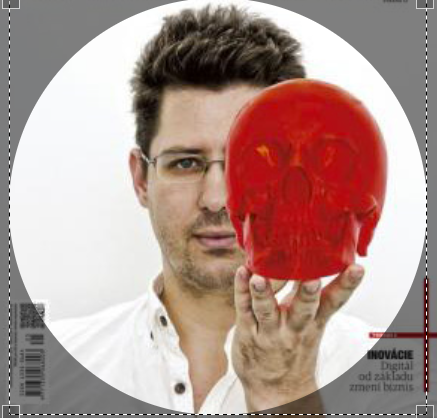
Andrej Thurzo

@uniba.sk

Department of Orthodontics, Regenerative and Forensic Dentistry, Faculty of Medicine Comenius University in Bratislava, Slovakia
Comenius University in Bratislava, Slovakia

Andrej Thurzo
is an Associate Professor in the Department of Stomatology and Maxillofacial Surgery and in the Center of simulation and virtual medical education at the Faculty of Medicine, Comenius University in Bratislava, Slovakia. He is a Forensic expert in the field of dentistry.

Education background: 2000–2006 - Medical faculty Comenius University, graduation (MD) specialization dentistry 2006–2009 - 1st approbation from stomatology 2006–2011 - PhD (Implementation of digital systems in orthodontics) 2009–2012 - 2nd approbation from orthodontics 2010–2013 - Master of public Health (MPH) 2013–2014 - Master of Health Administration (MHA) 2022 - habilitation Comenius University - Associate Professor Education abroad: 2009: USA, Chapel Hill - University of North Carolina, with Prof. William R. Proffit, Former Chair of Orthodontics 2005 :Italy, Rome - Erasmus at Faculty of Medicine at Università Cattolica del Sacro Cuore, Gemelli University Hospital Work experience; Since 2006—Univer

EDUCATION

2000-2006 - (MD) Comenius University, Medical faculty (LFUK), specialization dentistry
2006-2009 - 1st approbation from stomatology - Slovak Medical University
2006-2011 - PhD (Implementation of digital systems in orthodontics) (LFUK)
2009-2012 - 2nd approbation from orthodontics – Slovak Medical University
2010-2013 - Master of public Health (MPH) - Slovak Medical University
2013-2014 - (MHA)Master of Health Administration - College of Health&Social Work
2022 – assistant professor (doc. habilitation) Comenius University, Medical faculty,

RESEARCH INTERESTS

3D medical printing, bioprinting, artificial intelligence, orthodontics, forensic dentistry, regenerative medicine
59

Scopus Publications

2358

Scholar Citations

26

Scholar h-index

40

Scholar i10-index

Scopus Publications

  • The Role of Artificial Intelligence in Orthognathic Surgery: A Scoping Review
    Katarína Janáková, Barbora Heribanová, Juraj Tomášik, Daniela Tichá, Martin Strunga, Andrej Janák, Kristián Šimko, Andrej Thurzo
    Dentistry Journal, 2026
    Background/Objectives: Artificial intelligence (AI) has gained growing interest in the field of orthognathic surgery due to its potential to improve diagnostic accuracy, surgical planning, and treatment outcomes. This scoping review maps literature from 2017 to May 2025 to identify AI applications in orthognathic surgery, assess their clinical relevance, and discuss the associated ethical, legal, and technical limitations. Methods: This scoping review further examines the stages of the orthognathic surgical workflow at which AI applications have been prospectively validated, the artificial intelligence methodologies applied to virtual surgical planning and outcome prediction, and the main methodological, ethical, and legal factors that may constrain broader clinical adoption. Results: A total of 62 studies were included, covering AI use in cephalometric analysis, virtual surgical planning (VSP), outcome prediction, and intraoperative support. While AI demonstrates remarkable potential in orthognathic planning, current approaches are often limited by heterogeneous methodologies and retrospective validation. Conclusions: Future studies should prioritize prospective, multicentre designs integrating AI-assisted decision-making directly into the clinical workflow, with emphasis on model interpretability, patient-specific accuracy, and ethical transparency. These questions extend beyond mapping applications by emphasizing clinical validation, methodological rigor, and ethical accountability—dimensions insufficiently explored in prior reviews.
  • Marginal Fit of Chairside CAD/CAM Ceramic Inlays: An In Vitro SEM Study
    Alexandros Tzigeris, Paulína Gálfiová, Daniel Kosnáč, Andrej Thurzo, Peter Stanko
    Dentistry Journal, 2026
    Background/Objectives: Marginal fit is a key determinant of the clinical performance of CAD/CAM (Computer-Aided DesignComputer-Aided Manufacturing) inlay restorations. This in vitro study compared the vertical marginal gap (VMG) of three chairside CAD/CAM inlay materials—VITA Enamic, CEREC Tessera, and Celtra Duo—using scanning electron microscopy (SEM) under a standardized digital workflow. Methods: Standardized Class I inlay preparations were performed in 15 extracted human molars (n = 5/material). Restorations were fabricated using a chairside workflow (Primescan intraoral scanning, CEREC 5.3 design, Primemill milling) followed by material-specific surface treatment and cementation with a self-adhesive resin cement. VMG was measured on SEM micrographs (500× for quantitative measurements; 200× for orientation) at three sites (mesial, central, distal), with three points per site (nine points/tooth; 135 point measurements). Triplicate points were averaged to site-level means and analyzed using a linear mixed-effects model (fixed effects: material, site, material × site; random intercept: tooth), Type II ANOVA, and Tukey-adjusted pairwise comparisons. Results: Mean VMG values were lowest for Celtra Duo (8.09 ± 1.98 µm), followed by VITA Enamic (27.90 ± 29.76 µm) and CEREC Tessera (32.72 ± 21.80 µm). The model indicated an overall effect of material (F(2,36) = 3.51, p = 0.040), whereas site and material × site effects were not significant. Tukey-adjusted pairwise comparisons did not reach statistical significance. Conclusions: Within the standardized chairside workflow evaluated, an overall material effect on VMG was detected, but pairwise separation was inconclusive in this sample with overlapping distributions. Celtra Duo showed smaller VMG values with narrower dispersion in overall per-tooth means, while VITA Enamic and CEREC Tessera showed wider and overlapping distributions; all group means were below commonly cited clinical acceptability ranges for marginal gap.
  • Current Applications and Future Perspectives of Artificial Intelligence in Face-Driven Orthodontics: A Scoping Review
    Barbora Heribanová, Katarína Janáková, Juraj Tomášik, Daniela Tichá, Štefan Harsányi, Andrej Thurzo
    Biomimetics, 2026
    Artificial Intelligence (AI) has introduced transformative possibilities in orthodontics by enhancing diagnostic precision, treatment planning, and aesthetic outcomes. In face-driven orthodontics, treatment objectives extend beyond achieving proper occlusion to optimizing facial balance and harmony. With the growing patient demand for aesthetic improvements, AI technologies enable clinicians to integrate facial analysis and dynamic soft-tissue evaluation into personalized treatment approaches. Research in this scoping review analyzed current applications of AI in face-driven orthodontics, focusing on diagnosis, soft-tissue assessment, and individualized treatment planning. A comprehensive search was conducted in PubMed and Scopus for studies published between 2021 and 2025. The review followed the PRISMA-ScR guidelines. Of 54 initially identified studies, 24 met the inclusion criteria after title, abstract, and full-text screening. Extracted data were organized according to the main application areas of AI in face-driven orthodontics. Most studies focused on AI-assisted facial analysis, 3D reconstruction, and treatment simulation. Deep learning models demonstrated high performance in soft-tissue prediction, aesthetic evaluation, and diagnostic accuracy. However, heterogeneity in datasets, a lack of standardized validation protocols, limited external validation across included studies and limited clinical applicability were identified as key limitations. AI-based facial analysis supports a shift toward individualized, aesthetics-oriented orthodontic planning. Although current evidence highlights its potential for improving diagnostic precision and treatment outcomes, further validation through large-scale clinical studies is essential for broader implementation in everyday practice.
  • Embedding Fear in Medical AI: A Risk-Averse Framework for Safety and Ethics
    Andrej Thurzo, Vladimír Thurzo
    AI Switzerland, 2025
    In today’s high-stakes arenas—from healthcare to defense—algorithms are advancing at an unprecedented pace, yet they still lack a crucial element of human decision-making: an instinctive caution that helps prevent harm. Inspired by both the protective reflexes seen in military robotics and the human amygdala’s role in threat detection, we introduce a novel idea: an integrated module that acts as an internal “caution system”. This module does not experience emotion in the human sense; rather, it serves as an embedded safeguard that continuously assesses uncertainty and triggers protective measures whenever potential dangers arise. Our proposed framework combines several established techniques. It uses Bayesian methods to continuously estimate the likelihood of adverse outcomes, applies reinforcement learning strategies with penalties for choices that might lead to harmful results, and incorporates layers of human oversight to review decisions when needed. The result is a system that mirrors the prudence and measured judgment of experienced clinicians—hesitating and recalibrating its actions when the data are ambiguous, much like a doctor would rely on both intuition and expertise to prevent errors. We call on computer scientists, healthcare professionals, and policymakers to collaborate in refining and testing this approach. Through joint research, pilot projects, and robust regulatory guidelines, we aim to ensure that advanced computational systems can combine speed and precision with an inherent predisposition toward protecting human life. Ultimately, by embedding this cautionary module, the framework is expected to significantly reduce AI-induced risks and enhance patient safety and trust in medical AI systems. It seems inevitable for future superintelligent AI systems in medicine to possess emotion-like processes.
  • Provable AI Ethics and Explainability in Medical and Educational AI Agents: Trustworthy Ethical Firewall
    Andrej Thurzo
    Electronics Switzerland, 2025
    Rapid advances in artificial intelligence are transforming high-stakes fields like medicine and education while raising pressing ethical challenges. This paper introduces the Ethical Firewall Architecture—a comprehensive framework that embeds mathematically provable ethical constraints directly into AI decision-making systems. By integrating formal verification techniques, blockchain-inspired cryptographic immutability, and emotion-like escalation protocols that trigger human oversight when needed, the architecture ensures that every decision is rigorously certified to align with core human values before implementation. The framework also addresses emerging issues, such as biased value systems in large language models and the risks associated with accelerated AI learning. In addition, it highlights the potential societal impacts—including workforce displacement—and advocates for new oversight roles like the Ethical AI Officer. The findings suggest that combining rigorous mathematical safeguards with structured human intervention can deliver AI systems that perform efficiently while upholding transparency, accountability, and trust in critical applications.
  • Revisiting the Role of Review Articles in the Age of AI-Agents: Integrating AI-Reasoning and AI-Synthesis Reshaping the Future of Scientific Publishing
    Andrej Thurzo, Ivan Varga
    Bratislava Medical Journal, 2025
    Scientific publishing now appears to be divided into two distinct eras: pre-LLM and post-LLM (Large Language Models of generative artificial intelligence). Even before the advent of large language models, the academic community was already grappling with a surging tide of research papers. Over the past decade, the sheer volume of publications has exploded—by 2022, databases like Scopus and Web of Science recorded roughly a 47% increase in articles compared to 2016 [ 1 ]. Researchers were increasingly overwhelmed, struggling to keep pace with the constant influx of new findings [ 1 – 3 ].
  • Optimizing Dental Implant Survival in Microvascular Jaw Reconstruction: A Comprehensive Review of Risk Factors, Clinical Outcomes, and Future Directions
    Michaela Lifková, Ladislav Czako, Dušan Hirjak, Gabriela Pavleová, Andrej Thurzo
    Bratislava Medical Journal, 2025
    Microvascular free flap reconstruction is a key approach to restoring the jaw after significant defects, but ensuring the long-term survival of dental implants in these reconstructed areas can be challenging. This review looks at the primary factors affecting implant longevity, such as implant design, surgical placement techniques, and patient-centered issues including oral hygiene and systemic health conditions. We also discuss the influence of radiotherapy on implant outcomes and highlight the unique biomechanical properties of different reconstructive flaps. Drawing on current research, we explore how immediate implant placement, especially in areas affected by radiation, can pose higher risks, and compare the advantages of removable versus fixed prostheses in terms of function and appearance. Throughout, we emphasize personalized treatment planning, underscoring the need for careful maintenance and patient education to prevent peri-implant complications. By identifying gaps in existing literature, this review outlines potential future directions, focusing on improving implant stability, durability, and overall patient satisfaction. This comprehensive analysis offers clinicians a framework for developing individualized strategies that will help enhance implant longevity and quality of life for those undergoing microvascular jaw reconstruction.
  • How is AI Transforming Medical Research, Education and Practice?
    Andrej Thurzo
    Bratislava Medical Journal, 2025
    Artificial intelligence is rapidly reshaping medical research, education, and clinical practice. This brief communication reviews new AI applications—from personalized learning and immersive simulations in medical education to AI-assisted diagnostics in clinical settings—and examines the accompanying ethical and practical challenges. Drawing on insights from last November’s editorial in the Bratislava Medical Journal, the paper argues that while AI offers powerful new tools, human oversight remains essential. Future efforts must establish clear governance frameworks and update educational curricula to foster effective human–machine collaboration, ensuring that the uniquely human elements of science and creativity endure.
  • Polymer-Based Scaffolds as an Implantable Material in Regenerative Dentistry: A Review
    Lubos Lesko, Petra Jungova, Martina Culenova, Andrej Thurzo, Lubos Danisovic
    Journal of Functional Biomaterials, 2025
    Polymer-based scaffolds have emerged as transformative materials in regenerative dentistry, enabling the restoration and replacement of dental tissues through tissue engineering approaches. These scaffolds, derived from natural and synthetic polymers, mimic the extracellular matrix to promote cellular attachment, proliferation, and differentiation. Natural polymers such as collagen, chitosan, and alginate offer biocompatibility and bioactivity, while synthetic alternatives like polylactic acid (PLA) and polycaprolactone (PCL) provide tunable mechanical properties and degradation rates. Recent advancements highlight the integration of bioactive molecules and nanotechnology to enhance the regenerative potential of these materials. Furthermore, developing hybrid scaffolds combining natural and synthetic polymers addresses biocompatibility and mechanical strength challenges, paving the way for patient-specific treatments. Innovations in 3D bioprinting and stimuli-responsive biomaterials are expected to refine scaffold design further, improving therapeutic precision and clinical outcomes. This review underscores the critical role of polymer-based scaffolds in advancing regenerative dentistry, focusing on their applications, advantages, and limitations.
  • Advances in 4D Shape-Memory Resins for AI-Aided Personalized Scaffold Bioengineering
    Andrej Thurzo, Ivan Varga
    Bratislava Medical Journal, 2025
    This paper introduces an innovative workflow for developing personalized bioengineered scaffolds by combining AI-driven auto-segmentation of Cone Beam Computed Tomography (CBCT) scans with the design of temperature-responsive photocurable resins, or 4D polymers. Using Diagnocat software, AI segmentation achieves precise morphological replication of anatomical structures, creating accurate 3D models that are tailored to each patient's unique anatomy. These models guide the fabrication of scaffolds with varying porosities and geometries, using TC-85—a biocompatible, temperature-sensitive resin with distinct mechanical and viscoelastic properties. The resin’s temperature responsiveness enables the scaffolds to dynamically adapt to physiological conditions, enhancing functionality by morphologically shifting to stimulate adherent cells. This approach demonstrates the advantages of automated AI segmentation and underscores the potential of 4D scaffolds for advanced bioengineering applications.
  • Three-Dimensional-Printed Elements Based on Polymer and Composite Materials in Dentistry: A Narrative Review
    Michaela Lepišová, Juraj Tomášik, Ľubica Oravcová, Andrej Thurzo
    Bratislava Medical Journal, 2025
  • 3D-Printed Accessories and Auxiliaries in Orthodontic Treatment
    Marcel Paľovčík, Juraj Tomášik, Márton Zsoldos, Andrej Thurzo
    Applied Sciences Switzerland, 2025
  • Review of Smartphone Deep Learning Applications Using Eye Imaging Diagnostic Techniques in Ophthalmology
    V. Kurilova, J. Goga, A. Thurzo, J. Pavlovicova, M. Oravec, P. Kolar, N. Majtanova
    IEEE Access, 2025
  • Is virtual reality enhancing dental anatomy education? A systematic review and meta-analysis
    Katarina Bevizova, Hisham El Falougy, Andrej Thurzo, Stefan Harsanyi
    BMC Medical Education, 2024
  • Three-Dimensionally-Printed Polymer and Composite Materials for Dental Applications with Focus on Orthodontics
    Daniela Tichá, Juraj Tomášik, Ľubica Oravcová, Andrej Thurzo
    Polymers, 2024
  • The Potential of AI-Powered Face Enhancement Technologies in Face-Driven Orthodontic Treatment Planning
    Juraj Tomášik, Márton Zsoldos, Kristína Majdáková, Alexander Fleischmann, Ľubica Oravcová, Dominika Sónak Ballová, Andrej Thurzo
    Applied Sciences Switzerland, 2024
  • Artificial Intelligence-Driven Facial Image Analysis for the Early Detection of Rare Diseases: Legal, Ethical, Forensic, and Cybersecurity Considerations
    Peter Kováč, Peter Jackuliak, Alexandra Bražinová, Ivan Varga, Michal Aláč, Martin Smatana, Dušan Lovich, Andrej Thurzo
    AI Switzerland, 2024
  • Synthesis, sintering, radiopacity and cytotoxicity of Ca, Sr and Ba - phosphate bioceramics
    Ľuboš Bača, Tatiana Sivčáková, Zuzana Varchulová Nováková, Marián Matejdes, Martina Horváth Orlovská, Andrej Thurzo, Ľuboš Danišovič, Marián Janek
    Journal of the European Ceramic Society, 2024
  • AI and Face-Driven Orthodontics: A Scoping Review of Digital Advances in Diagnosis and Treatment Planning
    Juraj Tomášik, Márton Zsoldos, Ľubica Oravcová, Michaela Lifková, Gabriela Pavleová, Martin Strunga, Andrej Thurzo
    AI Switzerland, 2024
  • Evolving Strategies and Materials for Scaffold Development in Regenerative Dentistry
    Michal Gašparovič, Petra Jungová, Juraj Tomášik, Bela Mriňáková, Dušan Hirjak, Silvia Timková, Ľuboš Danišovič, Marián Janek, Ľuboš Bača, Peter Peciar, Andrej Thurzo
    Applied Sciences Switzerland, 2024
  • AI-Powered Segmentation Revolutionizes Scaffold Design in Regenerative Dentistry
    Andrej Thurzo, Petra Jungová, Ľuboš Danišovič
    International Conference on Artificial Intelligence Computer Data Sciences and Applications Acdsa 2024, 2024
  • AI-automated Cephalometric Tracing: A New Normal in Orthodontics?
    Martin Strunga, Dominika Sόnak Ballová, Juraj Tomášik, Ľubica Oravcová, Ľuboš Danišovič, Andrej Thurzo
    International Conference on Artificial Intelligence Computer Data Sciences and Applications Acdsa 2024, 2024
  • Unexpected corneal reflection phenomenon alters smartphone 3D image-based models of the eye
    Veronika Kurilová, Dominika Bemberáková, Matúš Kocián, Daniel Šterbák, Tomáš Knapčok, Miriam Palkovič, Samuel Hančák, Jarmila Pavlovičová, Miloš Oravec, Andrej Thurzo, Petr Kolář, Nora Majtánová
    Journal of Electrical Engineering, 2023
  • The Evolution of Robin Sequence Treatment Based on the Biomimetic Interdisciplinary Approach: A Historical Review
    Martin Čverha, Ivan Varga, Tereza Trenčanská, Barbora Šufliarsky, Andrej Thurzo
    Biomimetics, 2023
  • Use of third molar eruption based on Gambier’s criteria in assessing dental age
    Petra Švábová nee Uhrová, Radoslav Beňuš, Mária Chovancová nee Kondeková, Adriana Vojtušová, Miroslav Novotný, Andrej Thurzo
    International Journal of Legal Medicine, 2023
  • The New Role of the Dental Assistant and Nurse in the Age of Advanced Artificial Intelligence in Telehealth Orthodontic Care with Dental Monitoring: Preliminary Report
    Jana Surovková, Sára Haluzová, Martin Strunga, Renáta Urban, Michaela Lifková, Andrej Thurzo
    Applied Sciences Switzerland, 2023
  • AI-Assisted CBCT Data Management in Modern Dental Practice: Benefits, Limitations and Innovations
    Renáta Urban, Sára Haluzová, Martin Strunga, Jana Surovková, Michaela Lifková, Juraj Tomášik, Andrej Thurzo
    Electronics Switzerland, 2023
  • Artificial Intelligence Systems Assisting in the Assessment of the Course and Retention of Orthodontic Treatment
    Martin Strunga, Renáta Urban, Jana Surovková, Andrej Thurzo
    Healthcare Switzerland, 2023
  • Impact of Artificial Intelligence on Dental Education: A Review and Guide for Curriculum Update
    Andrej Thurzo, Martin Strunga, Renáta Urban, Jana Surovková, Kelvin I. Afrashtehfar
    Education Sciences, 2023
  • Fabrication and In Vitro Characterization of Novel Hydroxyapatite Scaffolds 3D Printed Using Polyvinyl Alcohol as a Thermoplastic Binder
    Andrej Thurzo, Paulína Gálfiová, Zuzana Varchulová Nováková, Štefan Polák, Ivan Varga, Martin Strunga, Renáta Urban, Jana Surovková, Ľuboš Leško, Zora Hajdúchová, Jozef Feranc, Marian Janek, Ľuboš Danišovič
    International Journal of Molecular Sciences, 2022
  • Smartphone-Based Facial Scanning as a Viable Tool for Facially Driven Orthodontics?
    Andrej Thurzo, Martin Strunga, Romana Havlínová, Katarína Reháková, Renata Urban, Jana Surovková, Veronika Kurilová
    Sensors, 2022
  • Change in the Constricted Airway in Patients after Clear Aligner Treatment: A Retrospective Study
    Georgia Fountoulaki, Andrej Thurzo
    Diagnostics, 2022
  • Pierre Robin Sequence and 3D Printed Personalized Composite Appliances in Interdisciplinary Approach
    Andrej Thurzo, Barbora Šufliarsky, Wanda Urbanová, Martin Čverha, Martin Strunga, Ivan Varga
    Polymers, 2022
  • Human Remains Identification Using Micro-CT, Chemometric and AI Methods in Forensic Experimental Reconstruction of Dental Patterns after Concentrated Sulphuric Acid Significant Impact
    Andrej Thurzo, Viera Jančovičová, Miroslav Hain, Milan Thurzo, Bohuslav Novák, Helena Kosnáčová, Viera Lehotská, Ivan Varga, Peter Kováč, Norbert Moravanský
    Molecules, 2022
  • Dental Care and Education Facing Highly Transmissible SARS-CoV-2 Variants: Prospective Biosafety Setting: Prospective, Single-Arm, Single-Center Study
    Andrej Thurzo, Wanda Urbanová, Iveta Waczulíková, Veronika Kurilová, Bela Mriňáková, Helena Kosnáčová, Branislav Gális, Ivan Varga, Marek Matajs, Bohuslav Novák
    International Journal of Environmental Research and Public Health, 2022
  • Where Is the Artificial Intelligence Applied in Dentistry? Systematic Review and Literature Analysis
    Andrej Thurzo, Wanda Urbanová, Bohuslav Novák, Ladislav Czako, Tomáš Siebert, Peter Stano, Simona Mareková, Georgia Fountoulaki, Helena Kosnáčová, Ivan Varga
    Healthcare Switzerland, 2022
  • Use of optical scanning and 3D printing to fabricate customized appliances for patients with craniofacial disorders
    Andrej Thurzo, Wanda Urbanová, Iveta Neuschlová, Dimitrios Paouris, Martin Čverha
    Seminars in Orthodontics, 2022
  • Utilization of a 3D Printed Orthodontic Distalizer for Tooth-Borne Hybrid Treatment in Class II Unilateral Malocclusions
    Andrej Thurzo, Wanda Urbanová, Bohuslav Novák, Iveta Waczulíková, Ivan Varga
    Materials, 2022
  • Artificial intelligence in orthodontic smart application for treatment coaching and its impact on clinical performance of patients monitored with AI-telehealth system
    Andrej Thurzo, Veronika Kurilová, Ivan Varga
    Healthcare Switzerland, 2021
  • Use of advanced artificial intelligence in forensic medicine, forensic anthropology and clinical anatomy
    Andrej Thurzo, Helena Svobodová Kosnáčová, Veronika Kurilová, Silvester Kosmeľ, Radoslav Beňuš, Norbert Moravanský, Peter Kováč, Kristína Mikuš Kuracinová, Michal Palkovič, Ivan Varga
    Healthcare Switzerland, 2021
  • Three-dimensional modeling and 3d printing of biocompatible orthodontic power-arm design with clinical application
    Andrej Thurzo, Filip Kočiš, Bohuslav Novák, Ladislav Czako, Ivan Varga
    Applied Sciences Switzerland, 2021
  • Three-dimensional navigation in maxillofacial surgery – the way to minimize surgical stress and improve accuracy in fibula free flap and Eagle’s syndrome surgical procedures
    Ladislav Czakó, Michal Vavro, Bronislava Dvoranová, Marek Soviš, Kristián Šimko, Andrej Thurzo, Branislav Gális, František Sándor
    Acta Chirurgiae Plasticae, 2021
  • The syndrome of elongated styloid process, the eagle’s syndrome—from anatomical, evolutionary and embryological backgrounds to 3D printing and personalized surgery planning. Report of five cases
    Ladislav Czako, Kristian Simko, Andrej Thurzo, Branislav Galis, Ivan Varga
    Medicina Lithuania, 2020
  • 3D navigation in surgery of Eagle syndrome
    L. Czako, D. Hirjak, K. Simko, A. Thurzo, A. Janovszky, B. Galis
    Bratislavske Lekarske Listy, 2019
  • Utilisation of three-dimensional printed heart models for operative planning of complex congenital heart defects
    Peter Olejník, Matej Nosal, Tomas Havran, Adriana Furdova, Maros Cizmar, Michal Slabej, Andrej Thurzo, Pavol Vitovic, Martin Klvac, Tibor Acel, Jozef Masura
    Kardiologia Polska, 2017
  • Early experiences of planning stereotactic radiosurgery using 3D printed models of eyes with uveal melanomas
    Alena Furdová, Miron Sramka, Andrej Thurzo, Adriana Furdová
    Clinical Ophthalmology, 2017
  • Possibility of 3D printing in ophthalmology - First experiences by stereotactic radiosurgery planning scheme of intraocular tumor
    Ceska A Slovenska Oftalmologie, 2016
  • Average proportions of buccal corridors in population
    Lekarsky Obzor, 2015
  • Evaluation of prevalence of facial asymmetry in population according to the analysis of 3D face - scans
    Lekarsky Obzor, 2015
  • Assessment of accuracy of reproduction between plaster, 3D printed and digital scans of dental models
    Lekarsky Obzor, 2015
  • Amelogenesis imperfecta and the treatment plan - Interdisciplinary team approach
    B. Suchancova, D. Holly, M. Janska, J. Stebel, J. Lysy, A. Thurzo, S. Sasinek
    Bratislava Medical Journal, 2014
  • Yet another hypertension telehealth solution? the rules will tell you
    Fedor Lehocki, Igor Kossaczky, Martin Homola, Daniel Skalicky, Marek Mydliar, Andrej Thurzo
    Iecbes 2014 Conference Proceedings 2014 IEEE Conference on Biomedical Engineering and Sciences Miri Where Engineering in Medicine and Biology and Humanity Meet, 2014
  • Headache in a relationship with malocclusion
    Lekarsky Obzor, 2013
  • Interdisciplinary cooperation between orthodontist and other dental practicioners
    Lekarsky Obzor, 2012
  • The effect of thumb sucking on splanchocraniums development in childhood
    Cesko Slovenska Pediatrie, 2012
  • Prevalence of midline diastema in slovak population
    Lekarsky Obzor, 2011
  • The effect of mouth breathing on splanchnocraniums development in childhood
    Cesko Slovenska Pediatrie, 2011
  • The WEB 2.0 induced paradigm shift in the e-learning and the role of crowdsourcing in dental education
    Bratislava Medical Journal, 2010
  • Digital and manual cephalometric analysis
    Bratislava Medical Journal, 2010

RECENT SCHOLAR PUBLICATIONS

  • The Role of Artificial Intelligence in Orthognathic Surgery: A Scoping Review
    K Janáková, B Heribanová, J Tomášik, D Tichá, M Strunga, A Janák, ...
    Dentistry Journal 14 (5), 286 , 2026
    2026
  • Digital Workflow and 3D Printing of Palato-Lingual Plates for Robin Sequence: Current Concepts and Future Directions
    M Čverha, A Thurzo
    2026
  • Current applications and future perspectives of artificial intelligence in face-driven orthodontics: A scoping review
    B Heribanová, K Janáková, J Tomášik, D Tichá, Š Harsányi, A Thurzo
    Biomimetics 11 (2), 146 , 2026
    2026
    Citations: 1
  • Marginal Fit of Chairside CAD/CAM Ceramic Inlays: An In Vitro SEM Study
    A Tzigeris, P Gálfiová, D Kosnáč, A Thurzo, P Stanko
    Dentistry Journal 14 (2), 98 , 2026
    2026
  • Review of Smartphone Deep Learning Applications Using Eye Imaging Diagnostic Techniques in Ophthalmology
    V Kurilova, J Goga, A Thurzo, J Pavlovicova, M Oravec, P Kolar, ...
    IEEE Access 13, 187410-187441 , 2025
    2025
    Citations: 1
  • Sedem aktuálnych trendov umelej inteligencie v pediatrii
    A Thurzo, Ľ Podracká
    Česko-Slovenská pediatrie 80 (5), 235-238 , 2025
    2025
  • Embedding fear in medical AI: a risk-averse framework for safety and ethics
    A Thurzo, V Thurzo
    AI 6 (5), 101 , 2025
    2025
    Citations: 19
  • Revisiting the role of review articles in the age of AI-agents: Integrating AI-reasoning and AI-synthesis reshaping the future of scientific publishing
    A Thurzo, I Varga
    Bratislava Medical Journal 126 (4), 381-393 , 2025
    2025
    Citations: 16
  • Optimizing dental implant survival in microvascular jaw reconstruction: a comprehensive review of risk factors, clinical outcomes, and future directions
    M Lifková, L Czako, D Hirjak, G Pavleová, A Thurzo
    Bratislava Medical Journal 126 (4), 600-608 , 2025
    2025
    Citations: 5
  • Provable AI ethics and explainability in medical and educational AI agents: trustworthy ethical firewall
    A Thurzo
    Electronics 14 (7), 1294 , 2025
    2025
    Citations: 42
  • How is AI transforming medical research, education and practice?
    A Thurzo
    Bratislava Medical Journal 126 (3), 243-248 , 2025
    2025
    Citations: 25
  • Provable AI ethics and explainability in next-generation medical and educational AI agents: Trustworthy ethical firewall
    A Thurzo
    Preprints , 2025
    2025
    Citations: 3
  • Polymer-based scaffolds as an implantable material in regenerative dentistry: a review
    L Lesko, P Jungova, M Culenova, A Thurzo, L Danisovic
    Journal of functional biomaterials 16 (3), 80 , 2025
    2025
    Citations: 17
  • Advances in 4D shape-memory resins for AI-aided personalized scaffold bioengineering
    A Thurzo, I Varga
    Bratislava Medical Journal 126 (2), 140-145 , 2025
    2025
    Citations: 12
  • Súdne lekárstvo
    P Kováč, N Bobrov, S Farkašová Iannaccone, M Hirt, L Juríček, S Kollár, ...
    Wolters Kluwer , 2025
    2025
    Citations: 1
  • Three-dimensional-printed elements based on polymer and composite materials in dentistry: a narrative review
    M Lepišová, J Tomášik, Ľ Oravcová, A Thurzo
    Bratislava Medical Journal 126 (1), 14-27 , 2025
    2025
    Citations: 14
  • 3D-printed accessories and auxiliaries in orthodontic treatment
    M Paľovčík, J Tomášik, M Zsoldos, A Thurzo
    Applied Sciences 15 (1), 78 , 2024
    2024
    Citations: 23
  • Is virtual reality enhancing dental anatomy education? A systematic review and meta-analysis
    K Bevizova, HE Falougy, A Thurzo, S Harsanyi
    BMC medical education 24 (1), 1395 , 2024
    2024
    Citations: 27
  • Three-dimensionally-printed polymer and composite materials for dental applications with focus on orthodontics
    D Tichá, J Tomášik, Ľ Oravcová, A Thurzo
    Polymers 16 (22), 3151 , 2024
    2024
    Citations: 37
  • The potential of AI-powered face enhancement technologies in face-driven orthodontic treatment planning
    J Tomášik, M Zsoldos, K Majdáková, A Fleischmann, Ľ Oravcová, ...
    Applied Sciences 14 (17), 7837 , 2024
    2024
    Citations: 32

MOST CITED SCHOLAR PUBLICATIONS

  • Impact of artificial intelligence on dental education: a review and guide for curriculum update
    A Thurzo, M Strunga, R Urban, J Surovková, KI Afrashtehfar
    Education Sciences 13 (2), 150 , 2023
    2023
    Citations: 458
  • Where is the artificial intelligence applied in dentistry? Systematic review and literature analysis
    A Thurzo, W Urbanova, B Novak, L Czako, T Siebert, P Stano, ...
    Healthcare 10 (7), 1269 , 2022
    2022
    Citations: 247
  • Use of advanced artificial intelligence in forensic medicine, forensic anthropology and clinical anatomy
    A Thurzo, HS Kosnáčová, V Kurilová, S Kosmeľ, R Beňuš, N Moravanský, ...
    Healthcare 9 (11), 1545 , 2021
    2021
    Citations: 161
  • Artificial intelligence systems assisting in the assessment of the course and retention of orthodontic treatment
    M Strunga, R Urban, J Surovková, A Thurzo
    Healthcare 11 (5), 683 , 2023
    2023
    Citations: 124
  • Smartphone-based facial scanning as a viable tool for facially driven orthodontics?
    A Thurzo, M Strunga, R Havlínová, K Reháková, R Urban, J Surovková, ...
    Sensors 22 (20), 7752 , 2022
    2022
    Citations: 88
  • AI-assisted CBCT data management in modern dental practice: benefits, limitations and innovations
    R Urban, S Haluzová, M Strunga, J Surovková, M Lifková, J Tomášik, ...
    Electronics 12 (7), 1710 , 2023
    2023
    Citations: 81
  • Artificial intelligence in orthodontic smart application for treatment coaching and its impact on clinical performance of patients monitored with AI-TeleHealth system
    A Thurzo, V Kurilová, I Varga
    Healthcare 9 (12), 1695 , 2021
    2021
    Citations: 80
  • AI and face-driven orthodontics: a scoping review of digital advances in diagnosis and treatment planning
    J Tomášik, M Zsoldos, Ľ Oravcová, M Lifková, G Pavleová, M Strunga, ...
    Ai 5 (1), 158-176 , 2024
    2024
    Citations: 63
  • Utilisation of three-dimensional printed heart models for operative planning of complex congenital heart defects
    P Olejník, M Nosal, T Havran, A Furdova, M Cizmar, M Slabej, A Thurzo, ...
    Polish Heart Journal (Kardiologia Polska) 75 (5), 495-501 , 2017
    2017
    Citations: 58
  • Digital and manual cephalometric analysis
    A Thurzo, V Javorka, P Stanko, J Lysy, B Suchancova, V Lehotska, ...
    Bratislavske lekarske listy 111 (2), 97-100 , 2010
    2010
    Citations: 54
  • Three-dimensional modeling and 3D printing of biocompatible orthodontic power-arm design with clinical application
    A Thurzo, F Kočiš, B Novák, L Czako, I Varga
    Applied Sciences 11 (20), 9693 , 2021
    2021
    Citations: 53
  • The new role of the dental assistant and nurse in the age of advanced artificial intelligence in telehealth orthodontic care with dental monitoring: preliminary report
    J Surovková, S Haluzová, M Strunga, R Urban, M Lifková, A Thurzo
    Applied Sciences 13 (8), 5212 , 2023
    2023
    Citations: 49
  • Human remains identification using micro-CT, chemometric and AI methods in forensic experimental reconstruction of dental patterns after concentrated sulphuric acid significant …
    A Thurzo, V Jančovičová, M Hain, M Thurzo, B Novák, H Kosnáčová, ...
    Molecules 27 (13), 4035 , 2022
    2022
    Citations: 49
  • The Syndrome of elongated styloid process, the Eagle’s syndrome—from anatomical, evolutionary and embryological backgrounds to 3D printing and personalized surgery planning …
    L Czako, K Simko, A Thurzo, B Galis, I Varga
    Medicina 56 (9), 458 , 2020
    2020
    Citations: 47
  • Provable AI ethics and explainability in medical and educational AI agents: trustworthy ethical firewall
    A Thurzo
    Electronics 14 (7), 1294 , 2025
    2025
    Citations: 42
  • Utilization of a 3D printed orthodontic distalizer for tooth-borne hybrid treatment in Class II unilateral malocclusions
    A Thurzo, W Urbanová, B Novák, I Waczulíková, I Varga
    Materials 15 (5), 1740 , 2022
    2022
    Citations: 42
  • The WEB 2.0 induced paradigm shift in the e-learning and the role of crowdsourcing in dental education.
    A Thurzo, P Stanko, W Urbanova, J Lysy, B Suchancova, M Makovnik, ...
    Bratislavské lekárske listy 111 (3), 168-175 , 2010
    2010
    Citations: 38
  • Three-dimensionally-printed polymer and composite materials for dental applications with focus on orthodontics
    D Tichá, J Tomášik, Ľ Oravcová, A Thurzo
    Polymers 16 (22), 3151 , 2024
    2024
    Citations: 37
  • Fabrication and in vitro characterization of novel hydroxyapatite scaffolds 3D printed using polyvinyl alcohol as a thermoplastic binder
    A Thurzo, P Gálfiová, ZV Nováková, Š Polák, I Varga, M Strunga, R Urban, ...
    International Journal of Molecular Sciences 23 (23), 14870 , 2022
    2022
    Citations: 36
  • Pierre Robin sequence and 3D printed personalized composite appliances in interdisciplinary approach
    A Thurzo, B Šufliarsky, W Urbanová, M Čverha, M Strunga, I Varga
    Polymers 14 (18), 3858 , 2022
    2022
    Citations: 36